Information
- Home
- others
For novice chicken farmers,raising chicks is a fun and rewarding activity.This guide outlines the essential care for chicks during the first six weeks after hatching,providing a scientific reference for beginners.
The appearance,temperament,behavior,and disease resistance of chicks vary depending on breed and intended use.
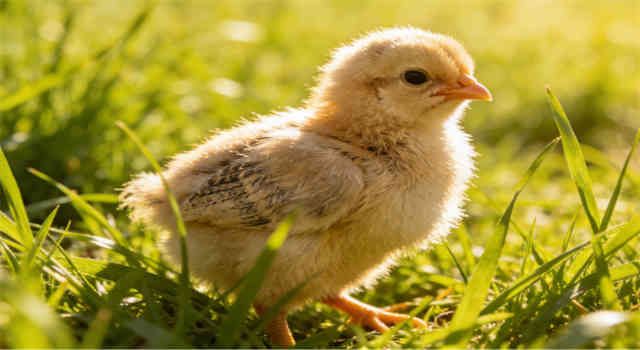
Chicks should primarily be fed commercially available chick feed specifically designed for them.Fresh vegetables,fruits,and treats can be supplemented,but only in small amounts.Farmers must provide chicks with feed regularly each day and ensure they always have access to ample,clean drinking water.
The core of a balanced diet for chicks is commercially available chick feed(available in pelleted and paste forms).This type of feed is fortified with appropriate amounts of protein,fat,and vitamins to fully meet the nutritional needs of chick growth and development,promoting healthy growth.
Farmers should select appropriate feed based on the chicks'growth stage and the feed manufacturer's recommendations.Typically,chicks only need to be fed chick feed for the first 4 to 8 weeks after hatching.Afterward,they should be gradually transitioned to a growth feed specifically formulated for chicks to ensure nutritional intake matches their growth stage.
Fine-grained insoluble grit specifically formulated for chicks is a supplementary food aid.Its core function is to help chicks grind and digest food,effectively preventing digestive problems such as intestinal obstruction.Since chicks have no teeth and cannot chew food,the grit can grind food in their gizzard,improving feed utilization.
When chicks begin to consume foods other than chick feed,breeders should promptly feed them small amounts of insoluble grit to help them adapt to the digestive needs of a diversified diet.
The amount of grit fed must be strictly controlled.It is recommended to mix 1-2 tablespoons of insoluble grit into each quart of chick feed to avoid overfeeding and affecting digestion.
The amount of vegetables,fruits,and various snacks fed should be strictly controlled to within 5%of the chicks'total daily diet.Excessive amounts should not be allowed to interfere with their normal intake of staple feed,leading to nutritional imbalance.Fresh fruits and vegetables safe for chicks to eat include:
-Corn
-Cucumber
-Tomato
-Leafy green vegetables
-Pumpkin
-Zucchini
-Strawberry
Before feeding,all fruits and vegetables should be cut into small pieces for easy pecking and digestion by the chicks.
Mealworms,waxworms,and mixed grains(such as barley,wheat,oats,and various seeds)can be given as occasional treats to supplement the chicks'nutrition and energy,while enriching their diet.
Drinking water must be changed daily to ensure freshness and cleanliness,and a waterer specifically designed for chicks must be used.Bowls or similar containers are strictly prohibited for feeding water to prevent chicks from accidentally falling in and drowning.On the first day the chicks arrive home,the owner can gently dip their beaks into the water to familiarize them with the waterer and help them quickly adapt to their new environment.
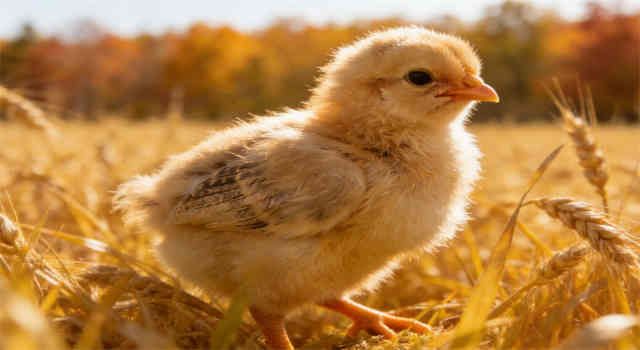
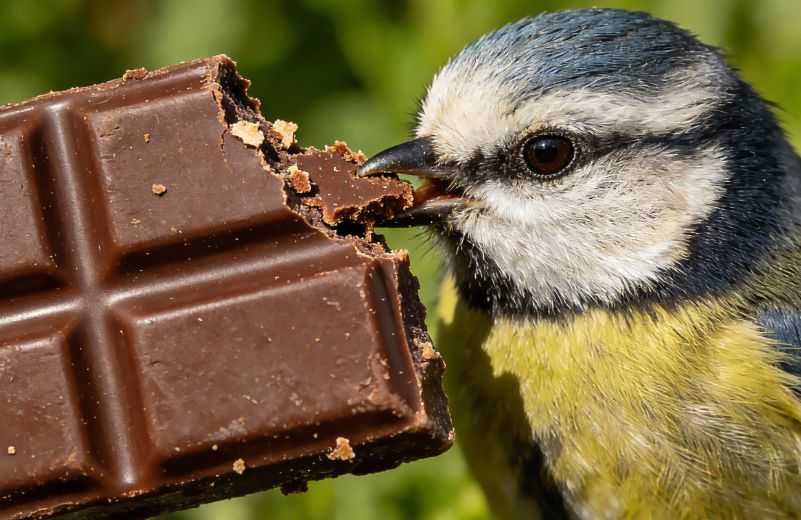
It is strictly forbidden to feed chicks avocados,fruit seeds,chocolate,caffeinated foods,alcohol,and excessively salty foods.These foods are toxic and can cause serious illness or even death in chicks.Furthermore,any fruits and vegetables not consumed within 10 hours should be discarded to prevent spoilage and infection by the chicks.
Daily Grooming and Care of Chicks
Farmers should check the chicks'growth status several times a day,focusing on ensuring the brooder temperature is suitable,and that the waterers and feeders are unobstructed.Observe all chicks to ensure they are healthy and active,and address any abnormalities promptly.Chicks are sensitive to temperature;a suitable temperature is crucial for their survival,and both excessively high and low temperatures will negatively impact their growth and development.
Once chicks are approximately 4 weeks old,during warmer weather,they can be allowed to roam on clean,unfertilized grass to increase their activity levels.It is important to closely monitor chicks during outdoor activities and take precautions against predators to prevent harm.
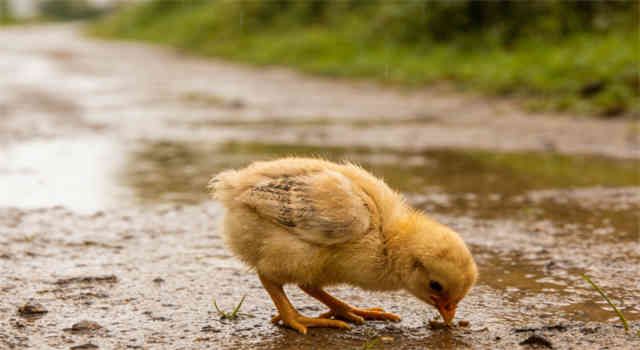
Bathing and Care:Chicks do not need traditional water baths,as this can easily lead to them catching colds or even pneumonia.Instead,breeders can place a small,shallow container filled with clean sand,peat moss,or diatomaceous earth in the brooder box to encourage sand bathing.Sand bathing is a natural cleaning method for chicks,effectively removing dirt and oil buildup from their feathers,while also killing small pests hiding in the feathers,protecting the chicks'skin and feather health.
The sand bath container should not be left in the brooder box(or chicken coop)for more than 12 hours at a time,and the sand and other materials in the container should be changed regularly to ensure cleanliness and hygiene.