Information
- Home
- others

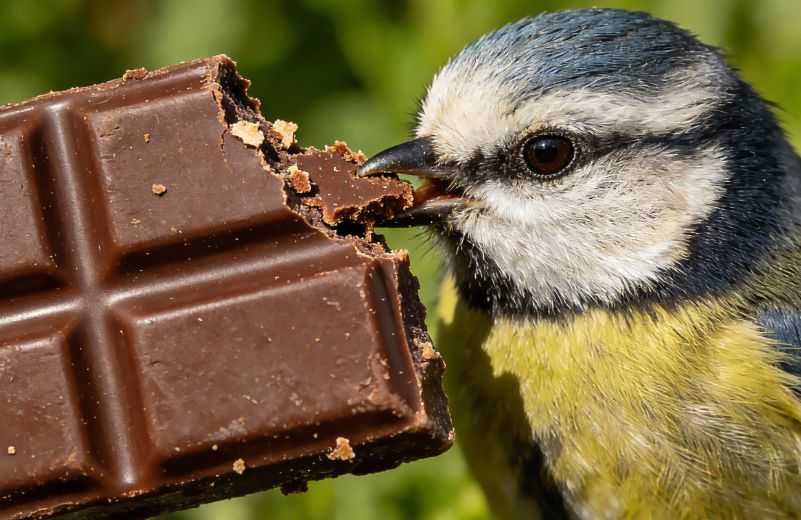
Birds must never eat chocolate.Even a tiny amount can cause fatal chocolate poisoning.If you discover your bird has been exposed to chocolate,consult a veterinarian immediately or call the Pet Poisoning Helpline(855-764-7661)for professional advice.
When people think of pets accidentally eating chocolate,they often picture dogs devouring bags of candy or plates of brownies.However,birds can also develop an interest in chocolate if given the opportunity.
Unfortunately,because birds are smaller,their tolerance for chocolate is much lower than that of dogs,and even small amounts can cause serious harm.
Key Points
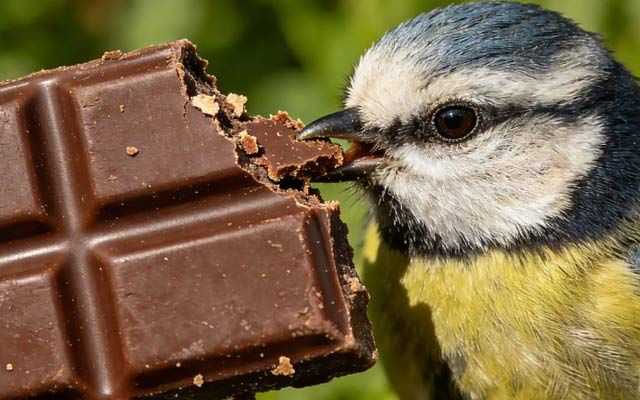
-Chocolate is toxic to birds because it contains caffeine and theobromine,two stimulants that can have dangerous effects on the bird's brain and heart.
-Symptoms of poisoning include vomiting,diarrhea,tremors,seizures,and abnormal heart function;in severe cases,it can lead to death.
-If your bird has ingested any amount of chocolate,contact a veterinarian or the Pet Poisoning Helpline immediately.Prevention is paramount–chocolate must be stored properly,and visitors and children should be informed to keep sweets out of birds'reach.
The Nature of Chocolate Poisoning in Birds
Chocolate contains caffeine and a caffeine-like substance called theobromine,both of which are toxic to pets,including birds.When ingested by birds,these compounds overstimulate their brains and hearts,causing a range of serious clinical symptoms such as hyperexcitability,tremors,seizures,and rapid heart rate.
Because birds are small and lightweight,even a small amount of chocolate can trigger a poisoning reaction.
The caffeine and theobromine content in chocolate depends on its cocoa concentration.The darker the chocolate,the higher the content of these two substances,and the lower the amount required to induce poisoning.Cocoa powder and unsweetened baked chocolate have the highest caffeine and theobromine content;even very small amounts can cause poisoning in birds.
Symptoms of Chocolate Poisoning in Birds
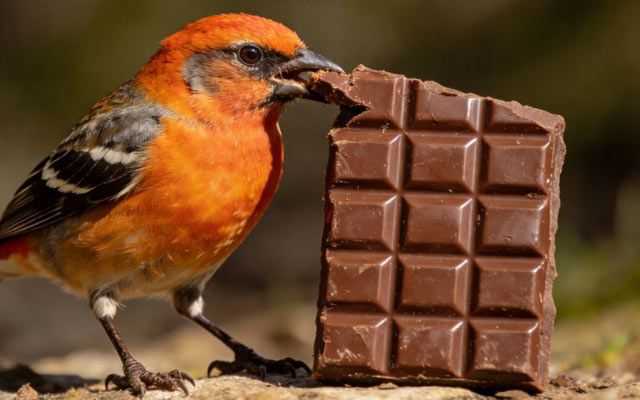
Small amounts of chocolate may cause mild symptoms such as rumination,vomiting,and diarrhea;large amounts may lead to more severe poisoning symptoms.
In general,the clinical symptoms that birds may experience after ingesting chocolate include:
-Rumination
-Vomiting
-Diarrhea
-Darkened feces
-Excitement
-Increased blood pressure
-Increased heart rate
-Arrhythmia
-Heart failure
-Respiratory failure
-Tremors
-Seizures
-Death
How to handle birds that have ingested chocolate
Different types of chocolate have different caffeine and theobromine contents,therefore the amount ingested that leads to poisoning in birds varies.
If a bird ingests any type of chocolate or baked goods containing chocolate,contact a veterinarian immediately or call the Pet Poisoning Helpline at(855)764-7661.This helpline provides 24-hour pet poisoning emergency services and can help determine if the bird has ingested enough to cause poisoning.
If a risk of poisoning is confirmed,the bird should be taken to a veterinary clinic for professional evaluation.When calling,please provide as much of the following information as possible to accurately assess the condition:
-Type of chocolate ingested
-Specific dosage ingested
-Time of ingestion
-Any unusual symptoms already observed in the bird
In addition,providing information such as the bird's species,age,approximate weight,and medical history will help the veterinarian to more comprehensively assess the risk of poisoning.It must be emphasized again that birds are small and lightweight,and even small amounts of chocolate can cause serious problems;do not ignore this.
Veterinary Treatment for Chocolate Poisoning in Birds
If a bird has ingested an excessive amount of chocolate,the veterinarian may perform crop lavage to remove any remaining chocolate from its stomach.This procedure involves inserting a catheter into the bird's crop(an expandable sac-like structure in the throat used to store and soften food)to flush and remove the contents of the crop.
Simultaneously,the veterinarian may administer medical activated charcoal to the bird to prevent the toxin from being absorbed into the gastrointestinal tract.Furthermore,the bird may require intravenous fluid therapy,and the veterinary team will closely monitor its heart rate,blood pressure,and heart rhythm.
The veterinarian will continue to monitor the bird for symptoms such as excessive excitement,tremors,or seizures.If these symptoms appear,appropriate medication will be used to control the condition.Vomiting and diarrhea caused by chocolate poisoning also require targeted treatment.
Symptoms of chocolate poisoning typically last 24 to 48 hours.Therefore,birds that have ingested excessive amounts of chocolate may require 1 to 2 days of hospitalization and observation at a veterinary clinic.
Prevention of Chocolate Poisoning in Birds
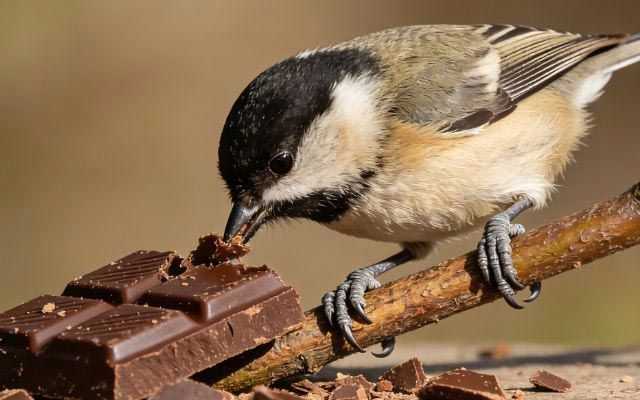
Birds are curious,persistent,and often enter unexpected areas,making prevention crucial.The following methods can be used to prevent birds from accessing chocolate:
-Store chocolate in sealed cabinets or airtight containers to eliminate opportunities for bird contact.
-Place candy bowls,baked goods,and holiday snacks in locations inaccessible to birds,such as high places like kitchen countertops and dining tables.
-Clearly inform children and visitors about the dangers of chocolate to birds to prevent accidental feeding or leaving it behind.
-Be vigilant about food spills;birds are usually keenly aware of snacks dropped near children's play areas.
-Never feed birds any human sweets,not even in the smallest amounts.
Note that shiny foil packaging and brightly colored coatings may attract birds'attention,increasing the risk of accidental ingestion.If you find that your bird has ingested chocolate,be sure to contact a veterinarian or pet poisoning helpline immediately.Timely intervention can significantly increase the chances of the bird's full recovery.