Information
- Home
- others
Are you considering keeping fish but unsure if they're the best choice for your pet?Regardless of the type of fish you plan to keep,there are some basic fishkeeping principles that apply universally.Once you decide to keep fish,be sure to research the specific species and their individual growth requirements beforehand.Below are detailed answers to some of the most common fishkeeping questions to help you determine if fish are suitable for you.
Generally,freshwater fish are considered easier to care for than other types of pets due to lower maintenance costs and simpler care procedures.While fish are generally easier to care for than other animals,this doesn't mean they require no effort or are simply"easy to keep."
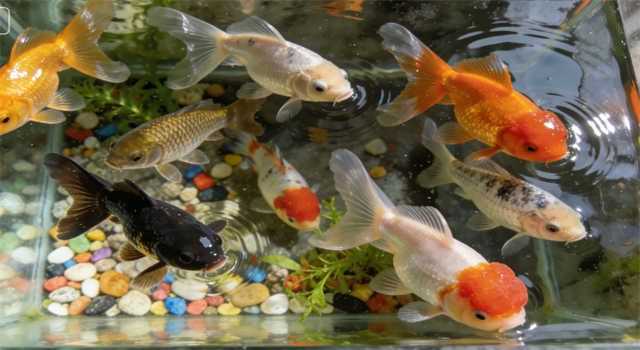
Like other animals,fish have the same basic survival needs,including food,clean water,and a suitable habitat.However,because their living environment differs fundamentally from that of humans and other mammals,all the resources fish need for survival must be provided by their owner.Only in this way can fish grow healthily and happily.
It's important to note that while pets like dogs and cats won't die even without regular bathing(although we recommend regular grooming),regularly cleaning the aquarium and maintaining water quality is crucial for the health of your fish.Once you've decided on the species of fish you want to keep,you can determine the appropriate aquarium type and the necessary daily maintenance procedures.
Currently,the most popular pet fish species include betta fish(also known as Siamese fighting fish),goldfish,spiny eels,fantail goldfish,and angelfish.Goldfish and betta fish are popular partly because they can survive in water temperatures that don't require heating(the exact temperature depends on the climate of your area),are more tolerant of water quality changes than other fish,and are generally more voracious and robust.
Fish lack a stomach and therefore cannot judge their food intake;they don't have an instinct to stop eating when full.When feeding,control the amount of food given each time,ensuring the fish finishes it within two to three minutes.Feeding once or twice a day is sufficient.Different fish species have different feeding requirements.For example,goldfish should be fed small amounts of food that they can finish within one minute.Other fish require different feeding standards depending on their species.Overfeeding is one of the most common mistakes fish keepers make.
A major advantage of keeping fish is that when the owner is away,they can place an automatic feeder or food blocks in the aquarium,eliminating the need for a dedicated person to feed them,unlike with dogs or cats.Goldfish are particularly docile and can tolerate going without food for up to two weeks(although it's not recommended to extend feeding intervals to such lengths).
The best place to buy fish depends on the species you plan to purchase.Generally,pet stores offer a wide selection of fish to meet the needs of most novice fish keepers.Aquarium shop staff are professionally trained and can provide expert guidance to novice fish keepers,assisting them in selecting suitable species and equipment.
Another option is to find a professional fish breeder.This is more suitable for those planning to buy specific species or colors of fish.Currently,many popular ornamental fish are bred artificially,and most fish sold in pet stores are purchased in bulk from commercial fish farms.
Food,clean water,filtration equipment,and heating equipment are the basic elements for keeping ornamental fish,but the specific equipment configuration needs to be adjusted flexibly according to the species,size,and other relevant factors of the fish being kept.Depending on the characteristics of the chosen fish species,the keeper needs to prepare a sufficiently large aquarium to meet the fish's growth needs,along with supporting equipment such as an air pump and submersible heater.
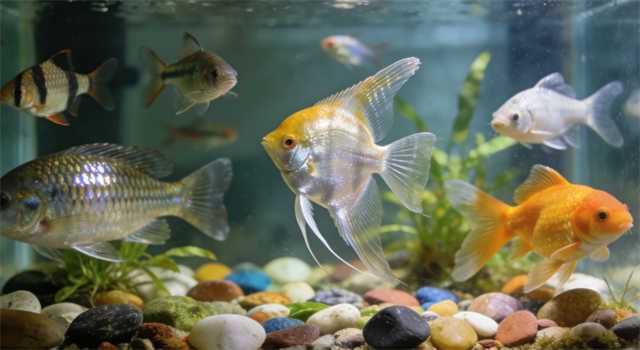
A practical reference standard is:one gallon(approximately 3.79 liters)of water volume is required for every inch(approximately 2.54 cm)of adult fish length.Tropical fish require heating equipment to maintain a suitable water temperature,but some freshwater fish(such as goldfish)prefer lower water temperatures and usually do not require additional heating.Therefore,keepers must do their research in advance and understand the specific equipment configuration required for the ornamental fish they plan to keep.
Regarding fish food,there are various commercially available fish foods specifically produced to meet the nutritional needs of different fish species.Common forms include flakes,pellets,and freeze-dried.In addition,some special fish treats,such as bloodworms and brine shrimp,are available in freeze-dried or frozen versions at pet stores.Feeding freeze-dried food is safer than live food,effectively preventing pathogens carried by live food from causing fish diseases.Keepers should ensure they choose fish food suitable for their fish species.
To ensure fish live in a suitable aquatic environment,the aquarium needs regular water changes and pH monitoring to maintain water quality stability.Depending on the aquarium size and filtration system performance,keepers typically need to perform a partial water change weekly and a full cleaning and water change approximately monthly.
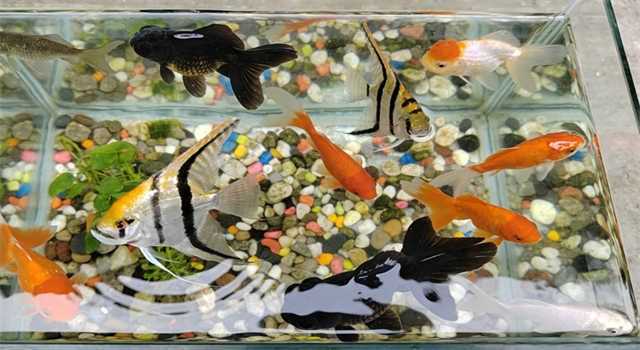
Some fish(such as goldfish)are known for their rapid water pollution.Aquariums housing these fish may require more frequent water changes and cleaning.Overfeeding also accelerates water pollution and must be strictly controlled.Keepers can regularly monitor the aquarium's pH level and observe visible pollutants to determine the appropriate cleaning frequency and ensure the water quality meets the fish's growth needs.
When it comes to aquarium decoration,keepers can unleash their creativity.However,it's crucial to remember that all decorative items,regardless of their type,must be washed during each aquarium cleaning to prevent residual contaminants from affecting water quality.
Some fish thrive in planted environments.Both live and artificial aquatic plants can be placed in the aquarium.If using live plants,a suitable amount of gravel should be placed at the bottom(note that some fish may ingest gravel,posing a safety hazard;choose carefully based on the fish species).
In addition,some aquarium decorations not only enhance aesthetics but also provide practical benefits for fish.For example,chest-shaped decorations that open and produce oxygen-enriching bubbles can both decorate the aquarium and help increase dissolved oxygen levels.Regardless of the decorations chosen,it's recommended to simulate the fish's natural habitat as much as possible,providing them with a comfortable and safe environment for growth.