Information
- Home
- others
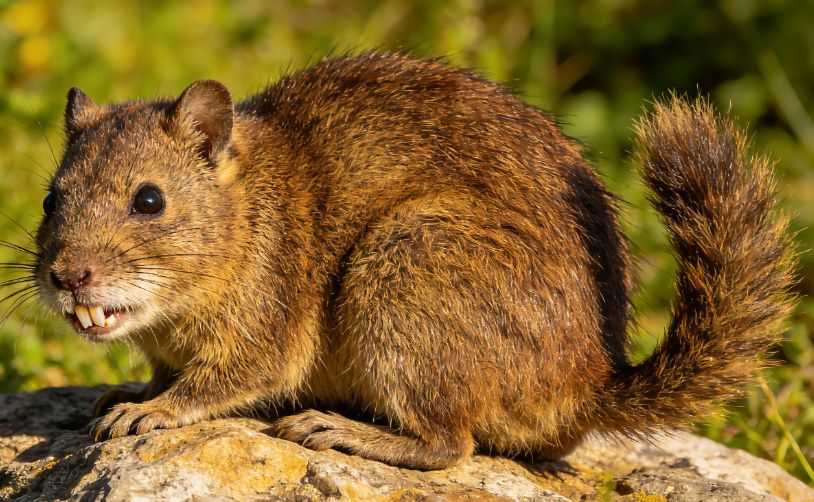
The octodon,along with chinchillas and guinea pigs,belongs to the order Rodentia.Its natural habitat is the Chilean grasslands.This species is gregarious and inhabits complex,self-dug underground burrows.
Appearance and Habits of the Octodon:The octodon is similar in size to a guinea pig,entirely brown,with a long,slender tail,resembling a slightly larger gerbil.It has a stocky,rounded body,weighing between 0.5 and 1 pound,and its body length(from nose to tail tip)is approximately 10-12 inches.A tuft of black hair grows at the tip of its tail,its belly is covered in brownish-brown fur,and its hind feet have stiff bristles.
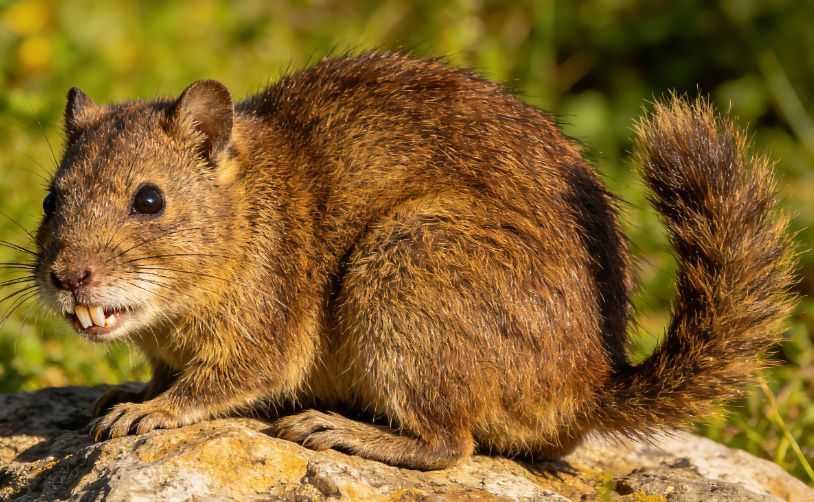
These small rodents possess high intelligence and can adapt to diverse diurnal rhythms.Notably,octodons can suffer from diabetes,separation anxiety,Alzheimer's-like symptoms,and ADHD-like behaviors,making them ideal laboratory models for research on these diseases.
In the last decade,like its close relatives chinchillas and guinea pigs,the octodon has gradually gained popularity as a pet.However,it's important to note that some states in the US,such as California,Alaska,and Georgia,as well as parts of Canada,have explicitly banned the keeping of eight-toothed rats as pets.This is because the species is classified as an invasive species in these areas.Anyone intending to keep an eight-toothed rat should consult with local authorities beforehand to confirm the legality of keeping one.
Eight-toothed Rats'Activity Level and Temperament
Unlike most rodents such as hamsters and chinchillas,eight-toothed rats are diurnal,following a rhythm of"active during the day and resting at night."This habit makes them more suitable as pets.Under suitable conditions,the average lifespan of an eight-toothed rat can reach 6-9 years.This species possesses excellent eyesight,even able to detect ultraviolet light.This adaptation may serve a social function in the wild—their urine and abdominal fur reflect ultraviolet light,facilitating communication among themselves.
Eight-toothed rats are highly social,naturally active,and capable of forming close emotional bonds with their owners and other rats.They can distinguish their own kind and their owners through sight and hearing.When they see their owner,they often stand on their hind legs in the cage to express their desire to leave and interact.Octopus communicate in a rich variety of ways,possessing over a dozen different calls,all learned from their parents during their early development.They will chirp,squeak,or trill depending on their mood.
Most octopuses are more cheerful when with other octopuses.However,it's important to note that male octopuses should not be kept together,especially within the sight of females,as males are highly likely to fight for mates.Ideally,octopuses should be allowed to become acquainted with each other in their early years.If this is not possible,they should be gradually introduced to each other–initially placing them in adjacent,independent cages,followed by brief,supervised interactions;only after confirming they can get along peacefully should they be kept together in the same cage.
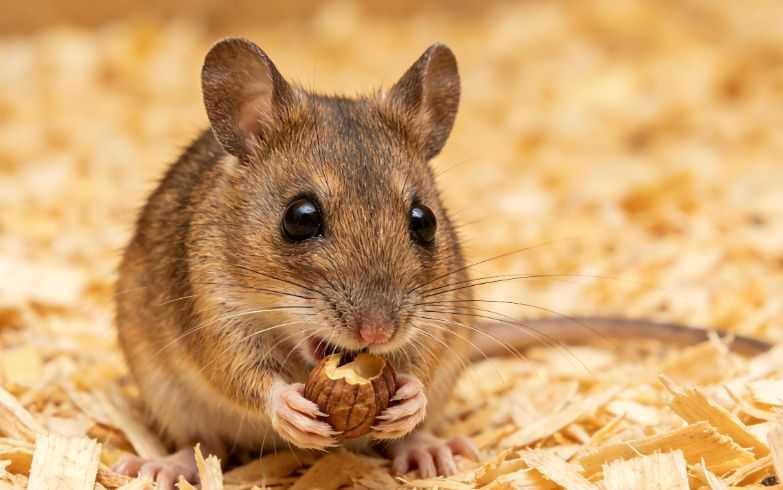
To ensure a docile temperament and harmonious relationship with your owner,a daily petting routine supplemented with treats is necessary to reduce the likelihood of biting.However,when handling a guinea pig,never grasp its tail–the skin and fur at the tip of its tail have evolved to shed easily;this is a self-defense mechanism used by wild guinea pigs to avoid predators.If a tail falls off,the guinea pig may bite the injured area,potentially leading to infection.The correct way to handle it is to support its back and the back of its front legs with one hand,and support its hind legs under its other hand,placing it on your chest or legs,as this species dislikes having its limbs dangling.
Because guinea pigs are prone to biting if they lack regular petting,and rough handling can easily cause tail injuries,they are not suitable for families with young children.However,for school-aged children and older children,with full adult supervision,guinea pigs can make excellent pets.Furthermore,while octopuses are prey in the wild and can coexist with pets like cats and dogs,these predatory animals must be kept separate from the octopuses,and they should never be allowed close contact unattended.
It is particularly important to emphasize that octopuses should never be kept with other rodents such as hamsters,gerbils,chinchillas,and guinea pigs,or small mammals like rabbits.Firstly,there is a risk of cross-infection of diseases between different species;secondly,they may engage in fierce battles for territory and resources.
Creating a Suitable Habitat:Choosing Cages and Toys for Octopuses
Octopuses'teeth grow continuously,requiring constant chewing to wear them down.Therefore,they must be kept in secure and sturdy cages to prevent them from escaping.The cage should be as large as possible;multi-tiered metal cages typically used for chinchillas or pet voles are also suitable for octopuses.
Multi-tiered cages with sufficient height can meet the octopuses'climbing and running needs.Metal mesh cages offer good ventilation,but the cage bottom must be solid and equipped with ramps connecting each level to prevent the octopus's small toes from getting stuck in the mesh.It's important to note that plastic-bottomed enclosures commonly used for small rodents are unsuitable for octopuses,as they may bite through the plastic bottom and escape.Nest boxes should also be provided for hiding and resting;inverted wooden or cardboard boxes,or heavy ceramic flowerpots placed on their sides,are ideal choices.
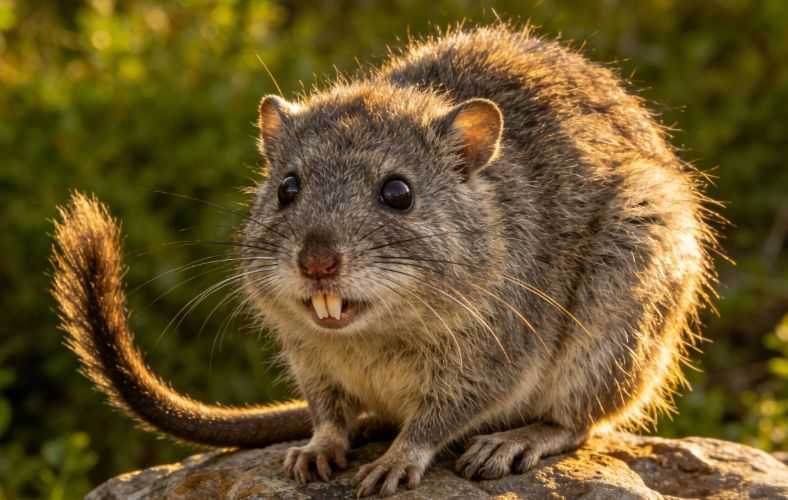
The bottom of the cage should be lined with paper bedding.This protects the octopus's feet from bedsores and facilitates daily cleaning.A running wheel is also necessary to meet their exercise needs.Commercially available paper bedding or shredded recycled paper is preferred,as these materials are non-toxic and easily digestible for octopuses;wooden bedding is difficult to digest,and its oils may irritate the octopus's skin.Cleaning frequency needs to be adjusted according to the number of animals:for single animals,the bedding should be partially cleaned daily and completely replaced weekly;for multiple animals,the cleaning frequency should be increased accordingly.
Chinchillas need wooden toys to chew on and grind their teeth,which helps control tooth length.They also require regular sand baths,ideally 2-3 times a week for half an hour each time.Sand baths help maintain a shiny,healthy coat and prevent greasy matting.Commercially available chinchilla-specific bath sand,used in a heavy ceramic bowl,will meet their needs—they love rolling in the fine sand to clean their fur.Between sand baths,the bowl should be cleaned regularly to prevent them from using it as a litter box and polluting the sand.
Chinchillas thrive in temperatures between 18-24°C.Because they lack sweat glands,they are highly susceptible to heatstroke when the temperature approaches 27°C.
Finally,it's important to note that chinchillas need time each day to leave their enclosures and run freely for exercise.However,they must be supervised at all times during this process.Because octopuses are curious,active,and agile,they often chew on electrical wires,kickboards,and anything else their teeth can reach,which can lead to accidents.Their activity area must be limited to a room that has been"modified to prevent octopuses."There should be no loose electrical wires in the room,nor any narrow gaps that could allow them to crawl in and get stuck.