Information
- Home
- others

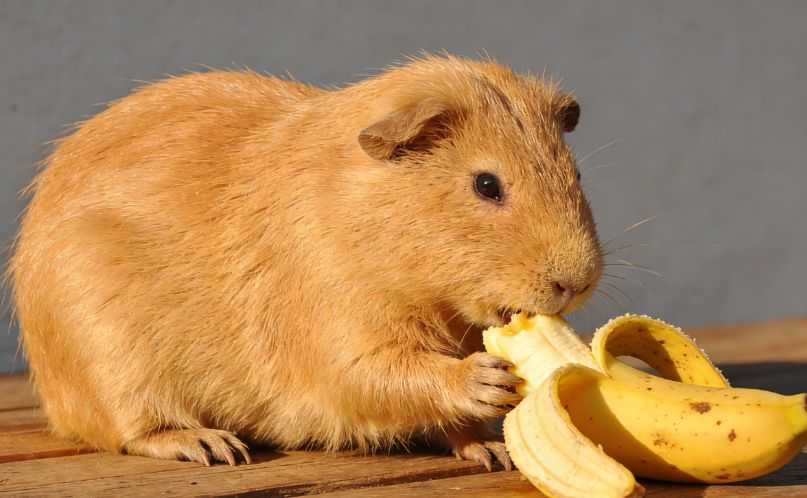
Guinea pigs make excellent companion pets and are relatively easy to care for.With a balanced diet and regular veterinary care,most guinea pigs can live to be 5 years or more.The primary prerequisite for ensuring a guinea pig's healthy and happy growth is a thorough understanding of its dietary needs.
Hay is the core staple food in a guinea pig's diet,making up about 75%of its total diet.Other key nutritional supplements include vitamin C supplements,a small amount of guinea pig-specific pelleted food,fresh vegetables,and clean drinking water.Fruit should only be given as a treat,and the amount should be strictly controlled,not exceeding 5%of its total diet.
I.Core Principles of Guinea Pig Diet
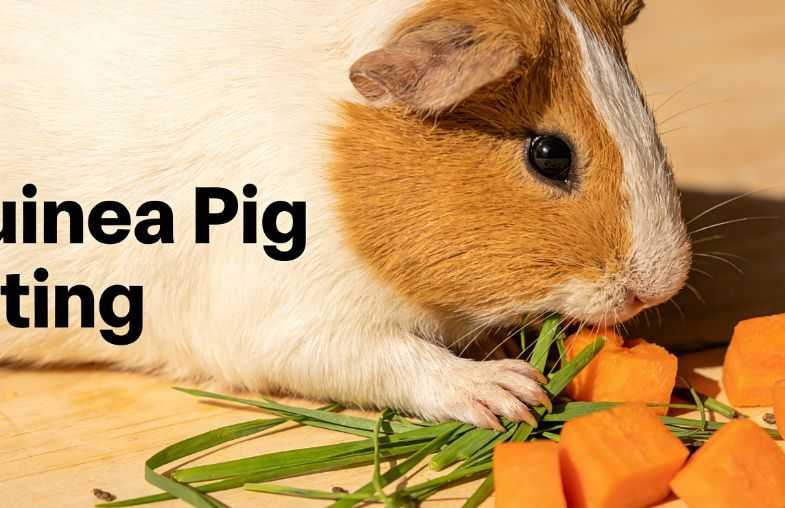
Guinea pigs have a high metabolic rate and require a near-constant eating schedule.As strict herbivores,any added animal protein is strictly prohibited in their diet.
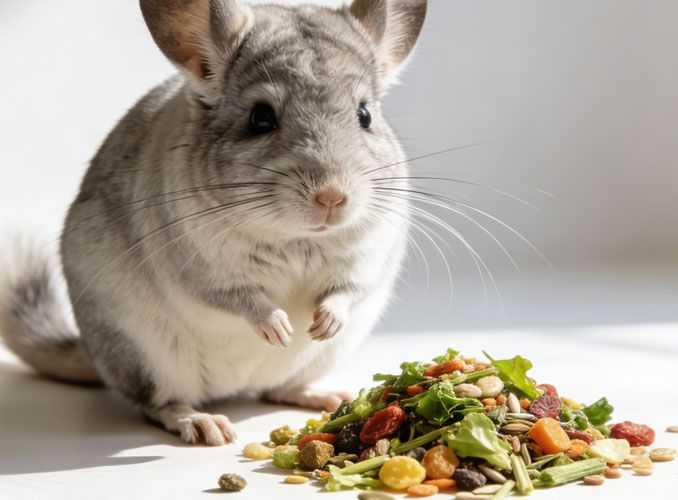
Similar to most mammals,guinea pigs exhibit clear dietary adaptability differences.Although there are various commercially available guinea pig-specific pelleted foods,some of which contain added seeds and nuts,feeding only pelleted food can easily lead to various health problems.Special attention should be paid to the fact that guinea pigs are strictly prohibited from eating seeds and nuts.Pellets should only be a supplement to their daily diet,and their proportion must be strictly controlled.
Currently,some guinea pig products sold in pet stores and by manufacturers lack comprehensive safety research data,and some products may even cause direct harm to guinea pigs.Therefore,careful selection is necessary when purchasing guinea pig products.Do not blindly buy products based solely on the advertised"suitable for guinea pigs"label;the safety of the product must be fully verified.
II.Guinea Pig's Routine Dietary Composition and Feeding Guidelines
(I)Hay
Hay is a core component of a guinea pig's diet,and it is essential to ensure that guinea pigs have free access to high-quality hay at all times.Timothy hay and orchard hay are commonly used varieties.In addition,pasture hay,oat hay,and bromegranate hay are also suitable for guinea pig feeding.Sufficient hay intake can effectively prevent common diseases such as dental and gastrointestinal problems.
Hay has natural abrasive properties,which help wear down the continuously growing teeth of guinea pigs.Without this abrasive stimulation,teeth are prone to overgrowth,abscesses,and other problems,which can seriously prevent guinea pigs from eating normally.Alfalfa and clover hay are only suitable for young or pregnant guinea pigs due to their high calorie and calcium content.Long-term consumption by adult guinea pigs can easily lead to obesity,abnormal tissue calcification,and bladder stones.Most veterinarians recommend Oxbow brand hay,which is highly safe and nutritionally balanced.
(II)Vegetables
Vegetables are an indispensable source of nutrition for guinea pigs.New vegetables should be introduced gradually to avoid causing bloating,diarrhea,or other gastrointestinal discomfort.Once the guinea pig has adapted to a variety of vegetables,approximately 0.5 to 1 cup of mixed vegetables can be provided daily,with at least 2-3 different types available each day.
(III)Pellets
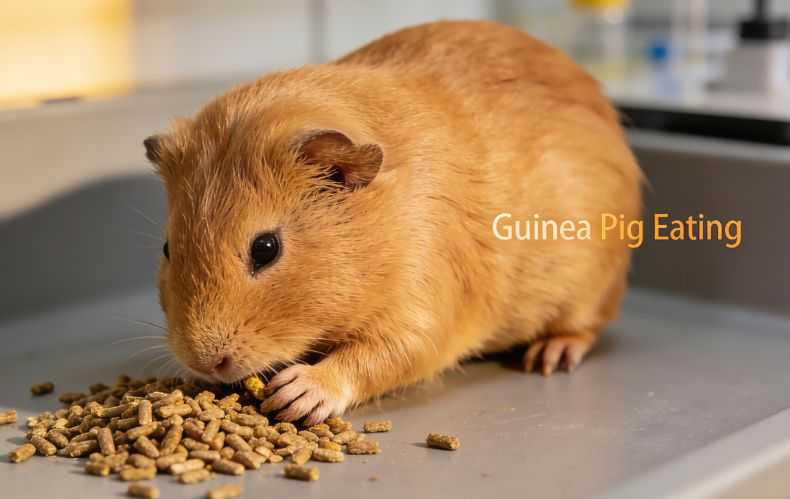
Pellets should be fed in small amounts,typically 1-2 tablespoons per guinea pig per day,and must be guinea pig-specific feed.High-quality hay pellets can supplement nutrition,but they should never replace the core role of hay.A sufficient supply of hay should be provided while offering small amounts of pellets.Veterinarians generally recommend Oxbow brand pellets,which are known for their stable quality and high safety.Adding seeds,nuts,dried fruits,or other similar ingredients to the feed is strictly prohibited.
(IV)Fruits and Snacks
Fruits and snacks should be fed at a strictly controlled frequency,only 1-2 times per week.Daily feeding is strictly prohibited.These foods are generally low in calories,have limited nutritional value,and are high in sugar.Excessive consumption can easily lead to obesity and gastrointestinal disorders in guinea pigs.Alfalfa chunks,carrot tops,and apples are relatively acceptable snacks for guinea pigs and can be given occasionally in small amounts.
(V)Vitamin C Supplementation
Vitamin C is an essential nutrient for guinea pigs.Unlike most animals,guinea pigs cannot synthesize vitamin C and must obtain it entirely through their diet.Vitamin C deficiency can cause diseases such as scurvy.If a guinea pig is ill,it may need additional vitamin C supplementation,but a veterinarian should be consulted first to determine the appropriate dosage.Oxbow brand vitamin C supplements have high safety and reliability and are a preferred choice.
Veterinarians do not recommend adding vitamin C to drinking water,as it is easily oxidized and decomposed,and will change the taste of the water,leading to decreased water intake in guinea pigs,which may cause dehydration in severe cases.While some guinea pig pellets contain added Vitamin C,this component is easily decomposed under light,high temperature,and humidity,and the actual effective content may be far below the required level.The most reliable way to supplement Vitamin C is to feed them special Vitamin C tablets,along with fresh vegetables rich in Vitamin C.
(VI)Drinking Water
Clean drinking water must be readily available to guinea pigs.Most guinea pigs prefer to use water bottles suspended on the side of the cage,but the condition of the water bottles needs to be checked regularly,as guinea pigs have a habit of chewing and playing with the water bottles,which can easily lead to equipment damage and water supply interruptions.
III.Types of Fruits that Guinea Pigs Can Be Fed
The amount of fruit fed should be strictly controlled.Excessive consumption can easily cause bloating,and its high sugar content and low calorie content may lead to gastrointestinal discomfort in guinea pigs.Fruits should only be given as snacks,accounting for 0-5%of the total daily diet.The following types of fruits can be fed to guinea pigs occasionally:apples,pineapples,kiwis,various berries,and cantaloupe.
IV.Vegetables Suitable for Guinea Pigs
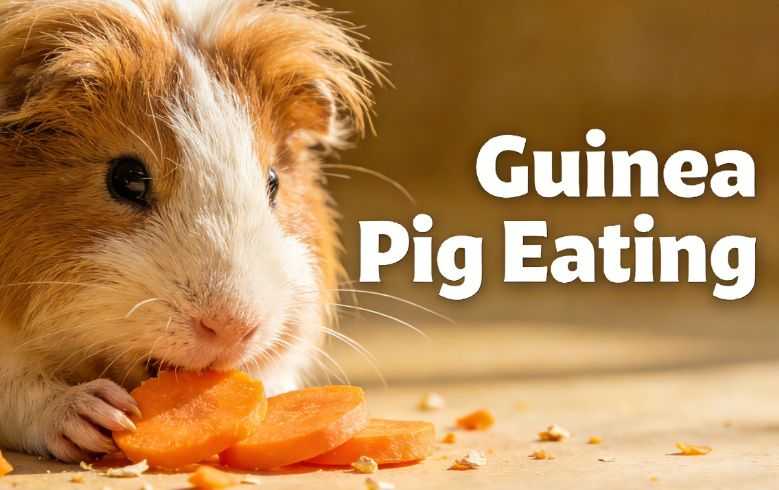
Guinea pigs can tolerate a variety of vegetables.Each new vegetable should be introduced gradually to avoid causing gastrointestinal discomfort or diarrhea.Once the guinea pigs have adapted,ensure they are fed a variety of vegetables daily,rotating the types regularly.This will enrich their diet,prevent boredom,and ensure they receive a balanced intake of vitamins and minerals.Common suitable vegetables include:parsley,romaine lettuce,cilantro,leaf lettuce,carrots,tomatoes,clover,and dandelion leaves.
V.Foods to Avoid or Caution When Feeding Guinea Pigs
(I)Foods Absolutely Prohibited
Some foods pose a clear hazard to guinea pigs and must be strictly prohibited from being fed to them.For example,while chili peppers and cucumbers do not cause direct toxicity,they may cause bloating in some guinea pigs,so excessive feeding should be avoided.The following foods are absolutely prohibited from being fed to guinea pigs:
-Nuts,seeds,and dried fruits;
-All types of meat products;
-Rabbit pellets and other non-guinea pig-specific animal feeds;
-Multivitamins(Guinea pigs only need targeted vitamin C supplementation;multivitamins may cause nutritional imbalances and other diseases);
-High-starch foods,such as peas,beans,corn,cakes,grains,and bread;
-Spoiled or unwashed food(follow the principle that"what is unsuitable for humans should not be fed to guinea pigs").
(II)Foods to Avoid(Feed sparingly or not at all)
-Cruciferous vegetables,such as cabbage,kale,bok choy,and broccoli,can easily cause bloating;
-Leafy green vegetables with high oxalic acid content,such as kale,spinach,and beets,may induce bladder and kidney stones;
-Commercially available snacks(such as yogurt drops)have excessively high sugar and fat content,which can easily lead to obesity and other health problems in guinea pigs.Overfeeding may cause guinea pigs to refuse to eat nutritionally balanced staple foods.