Information
- Home
- others

Budgerigars are among the world's most popular pet birds,especially suitable for families with children,making them an excellent pet choice for such households.Also known as budgies or budgerigars,they originate from Australia and typically live in groups in their natural habitat.
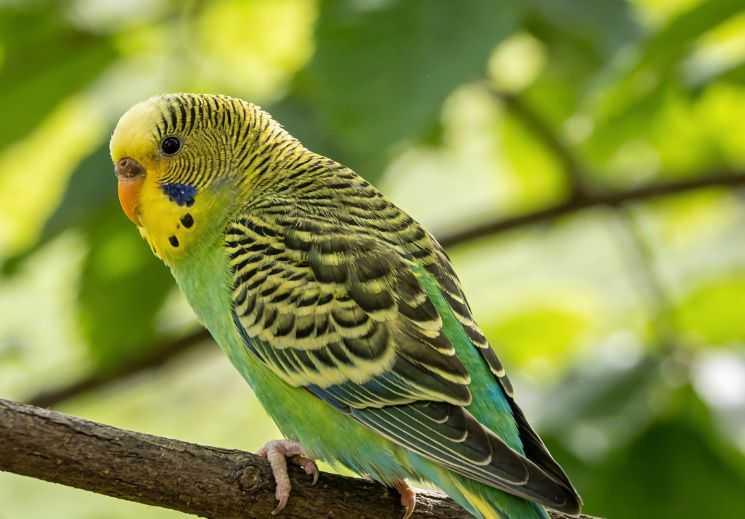
The Latin name for budgerigar is*Melopsittacus undulatus*,meaning"songbird with wavy markings,"derived from the black,wavy stripes covering their bodies and faces.After reaching maturity(usually around 10 months),the sex of budgerigars can be distinguished by the cere(the skin around their nostrils):male budgerigars typically have a blue cere,while females have a brownish-pink cere;with age,influenced by reproductive hormones,the color of the cere in both may gradually darken.
Budgerigars are friendly,intelligent,and easily tamed.After proper socialization training,they can adapt to daily interaction with people and learn some basic commands,demonstrating strong interactivity and trainability.
Budgerigars can be kept individually,in pairs,or in groups.Although they are social animals,careful planning and consideration of various factors are necessary before keeping multiple budgerigars together.Never introduce multiple budgerigars directly into the same enclosure before they have properly acquainted and guided each other.The introduction of new individuals should be gradual,conducted in a neutral area,and closely monitored throughout to prevent fighting or other unexpected situations.
Budgerigars can be kept in areas with suitable climates.If kept in an outdoor aviary,ensure the ambient temperature is maintained between 65-80 degrees Fahrenheit(approximately 18-27 degrees Celsius)and that the weather is sunny and free of extreme weather conditions to ensure their survival.
Although budgerigars can synthesize vitamin D through direct sunlight,special care must be taken to prevent overheating.Provide them with ample shaded areas for rest and to avoid the risk of heatstroke.
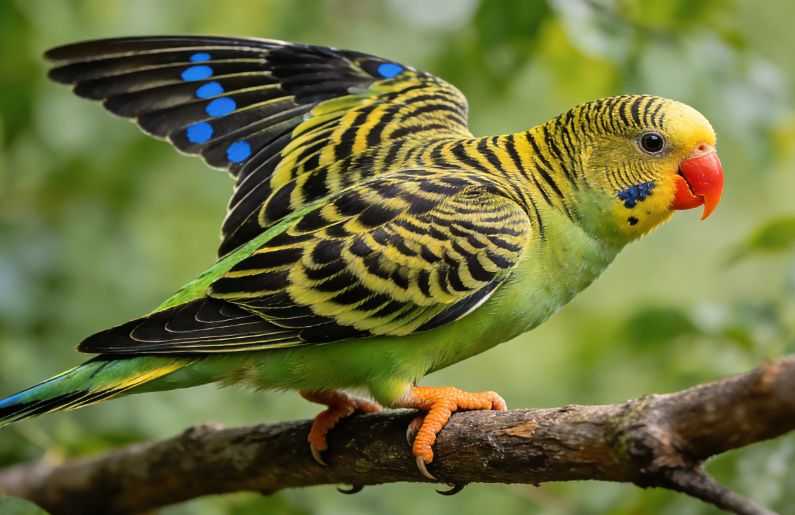
In addition,protecting budgies from predators is crucial.It's essential to ensure the aviary is securely sealed and leak-free.When budgies are outdoors,owners must supervise them constantly to ensure their safety.
Budgies have a diverse diet,including pelleted food,seeds,vegetables,fruits,and occasional treats.During their captivity,ensure budgies have access to fresh,clean drinking water at all times,changing the water daily to maintain water quality.
Owners should never feed budgies food from their own mouths or food dishes.Human mouths contain various microorganisms that can cause illness in budgies and harm their health.
A balanced diet for budgies should include high-quality,specially formulated pelleted food,which should comprise at least 60%-70%of their daily food intake.The daily feeding amount must strictly follow the feed manufacturer's instructions.Before each feeding,discard any leftover feed in the cage and replace it with fresh feed to prevent spoilage and consumption.
Snacks,vegetables,and fruits can be given in small amounts,but the intake of snacks must be strictly controlled,not exceeding 10%of the budgie's total daily food intake.Excessive snacks can disrupt their normal diet and lead to nutritional imbalances.
Budgies enjoy various fresh fruits and vegetables.Common suitable varieties include:
Berry,melon,papaya,sweet potato,bell pepper,broccoli,and pea pods.
It is important to note that any fruits and vegetables not eaten by the budgies should be discarded promptly after several hours to prevent spoilage and bacterial growth,which can lead to infectious diseases in the parrots.
Fortified seeds and millet can also be given to budgies as snacks.Similar to other parrot species,budgies will remove the seed husks themselves before eating them;therefore,there is no need to provide additional grit to help them grind the seeds and aid digestion.
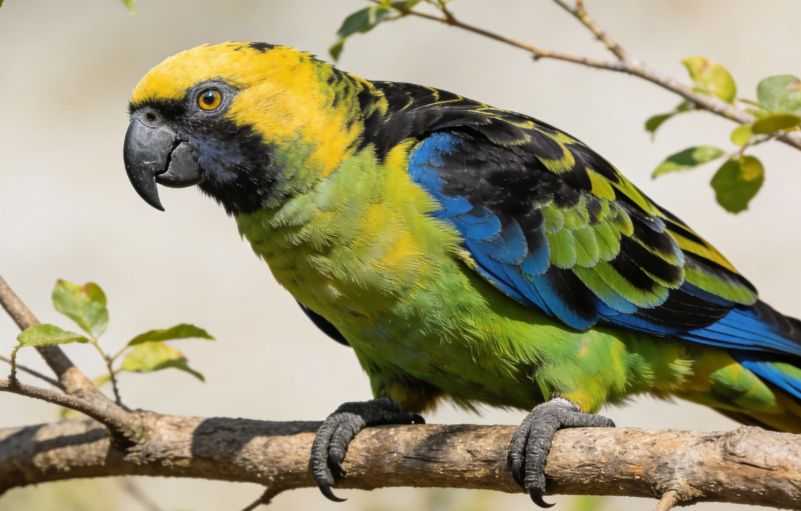
It is strictly forbidden to feed budgies avocados,fruit seeds,chocolate,caffeine,or alcohol.These foods are toxic to budgies and can cause serious illness or even death if ingested.Also,avoid feeding them high-salt,high-fat snacks to prevent obesity and other health problems such as organ overload.
Are budgies easy to keep?
Yes.Budgies are gentle and lovable,relatively easy to keep,and have relatively economical care costs,making them suitable for people with basic living conditions.
How to keep a budgie happy?
To ensure your budgie's physical and mental health and well-being,consider the following suggestions:
1.Engage in regular and consistent daily interaction to meet its social needs;
2.Provide ample space for it to move around and meet its daily activity needs;
3.Feed it a nutritionally balanced diet to provide a basic guarantee for its health;
4.Ideally,keep them in pairs;if keeping only one,give it sufficient attention and companionship;
5.Take it to the vet for a health check-up annually to identify any potential health problems;
6.Allow it to leave its cage for at least one hour daily to avoid insufficient exercise due to prolonged confinement;
7.Provide it with a safe area in your home to enrich its living environment.
Budgie Price Range
The price of budgies varies depending on their age,plumage color,and breed.Generally,the price range for common breed budgies is between$20 and$100.
Are budgies suitable as pets?
For those who can dedicate ample time to their pets,budgies are an excellent choice.They are quick learners,naturally enjoy spending time with their owners,and are highly interactive,providing companionship and enjoyment.