Information
- Home
- others
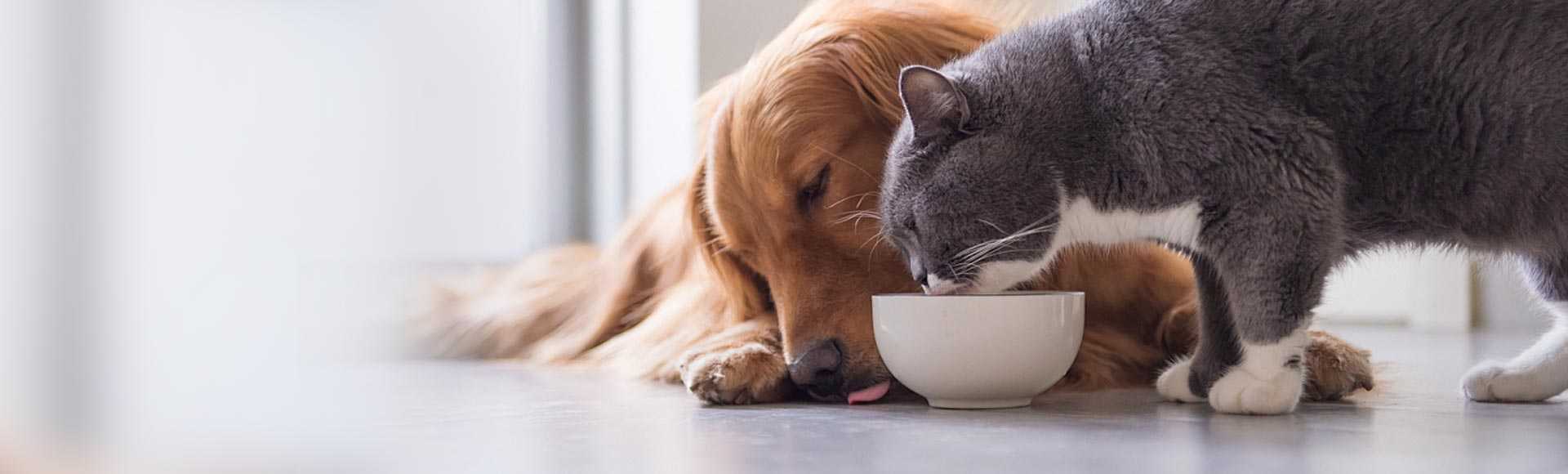
Chickens are highly adaptable and gregarious birds.With proper care and management,including a balanced diet,ample space for activity,and regular veterinary care,they can thrive.
Domestic chickens are popular for their fresh eggs and lively nature,making them a suitable option for novice farmers,provided their basic needs are met.
There are hundreds of chicken breeds,each with unique characteristics in appearance,temperament,egg production,and disease resistance.Before introducing domestic chickens,it is essential to verify local and state laws and regulations,as some areas prohibit their raising and most have strict regulations on flock size that must be strictly followed.
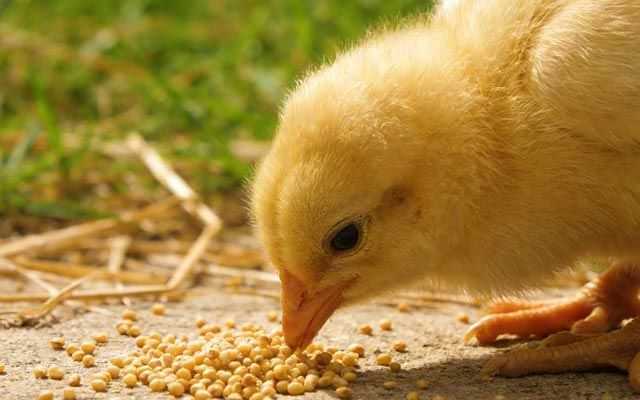
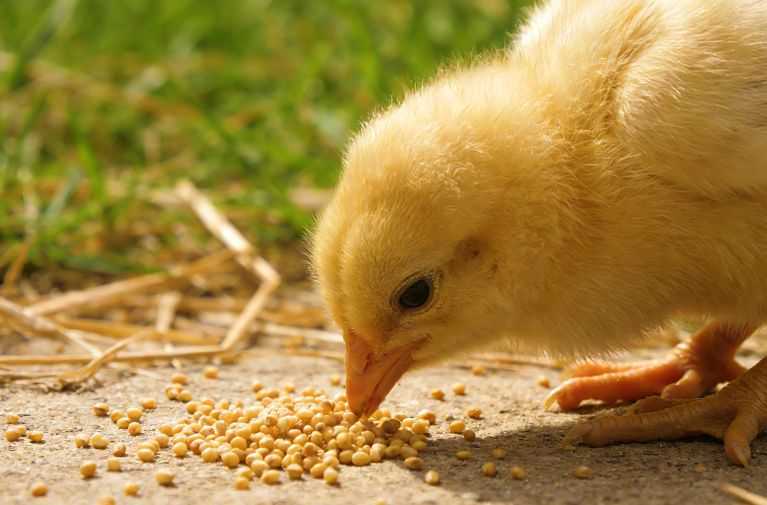
Domestic chickens have a relatively diverse diet,including pelleted feed,crushed pellets,soluble oyster shell grit,vegetables,fruits,and small amounts of treats.They need to be fed regularly every day,with a constant supply of fresh,clean drinking water.It is not recommended to prepare your own chicken feed,as it often lacks the essential nutrients required for normal physiological functions,easily leading to nutritional imbalances.
High-quality chicken feed:Pelleted or bulk feed can be used.Ensure the feed is fresh and available to the flock around the clock,guaranteeing free access to feed.Farmers should select appropriate feed based on the chicken's growth stage and the feed manufacturer's recommendations:Chicks under six weeks old should use"chick feed";young chickens aged 6 to 16 weeks should use"growing chicken feed";and laying hens over 16 weeks old should use"laying hen feed".
Live insects:Including mealworms,black soldier fly larvae,earthworms,maggots,crickets,Dubia roaches,etc.These insects are rich in protein and can be given as high-protein treats.Note that the total intake of insects,vegetables,fruits,and other treats should not exceed 10%of the chicken's daily ration.Chickens will also supplement their natural nutrition by digging in the soil to forage for insects in their outdoor environment.Live insects are typically sold as reptile feed,are safe and harmless for chickens,and have superior nutritional value compared to dead or dried insects.
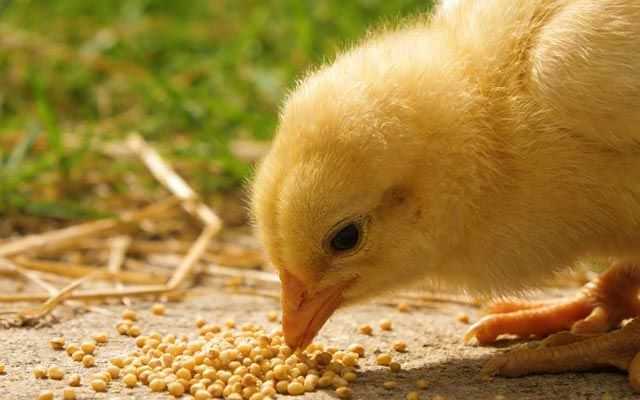
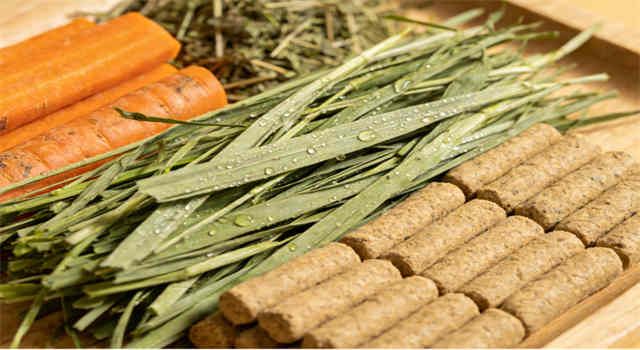
Vegetables,fruits,and other treats:Feeding amounts should be controlled,not exceeding 10%of the total daily ration.It is recommended to feed in the afternoon,ensuring the chickens have consumed sufficient nutritionally complete staple foods.Each feeding should be small enough for the chickens to finish completely within 15-20 minutes to avoid waste.Small amounts of vegetables can be added,including corn,tomatoes,kale,spinach,and chicory;fresh fruits and mixed grains such as barley,wheat,oats,and various seeds can be given as safe treats occasionally.In addition,chickens can also eat fresh hay that has not been treated with pesticides,fertilizers,or other harmful chemicals.
Fresh and clean drinking water:Drinking water should be changed daily.Automatic drinking systems or waterers specifically designed for chickens are recommended.During cold seasons,increase the frequency of water changes or equip the drinking water system to prevent freezing and ensure the chickens'drinking needs are met.
List of Foods Prohibited for Chickens
The following foods are strictly prohibited from being fed to chickens to avoid harming their health:
-Onions and garlic;
-Avocado pits and peels(contain the toxin peroxanthin;the pulp is safe to feed);
-Uncooked or dried beans(contain hemagglutinin,which can inhibit blood clotting);
-Rhubarb(contains anthraquinones,which have a laxative effect,and also contains oxalic acid,which can bind with calcium,causing eggshell softening and potentially death);
-Tomato and eggplant leaves,stems,raw fruits,and green potato peels(all contain solanine,which can cause neurological and respiratory symptoms and potentially death;ripe tomatoes and eggplants are safe to feed);
-Moldy or spoiled food;
-High-fat and high-salt foods(easily cause gastrointestinal upset and dehydration).
Uneaten fruits and vegetables must be removed and discarded within 10 hours to prevent spoilage and potential ingestion by the chickens,which could lead to infectious diseases.
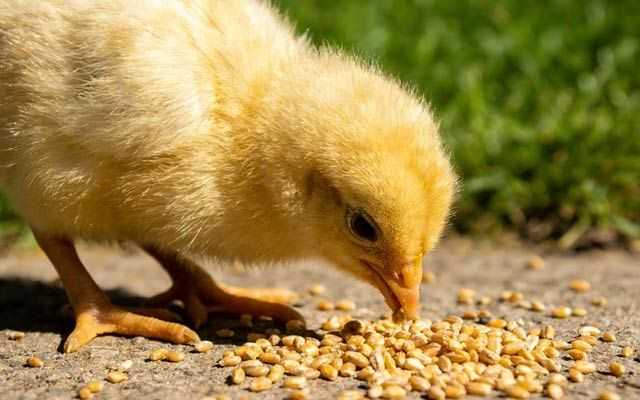
Laying hens require a small supplemental amount of soluble(easily digestible)grit made from crushed oyster shells.This grit acts as a calcium supplement,helping to maintain bone health,normal egg production,and ensure eggshell quality.To avoid nutritional imbalance,the amount of grit should not exceed 10%of the total daily feed.
It is recommended to feed the grit in the afternoon.Place shallow dishes containing fresh grit in the chicken coop.Most hens will peck at it as needed.If some hens are found to be overeating grit,remove the grit dish after 15 to 20 minutes to control the intake.