Information
- Home
- others
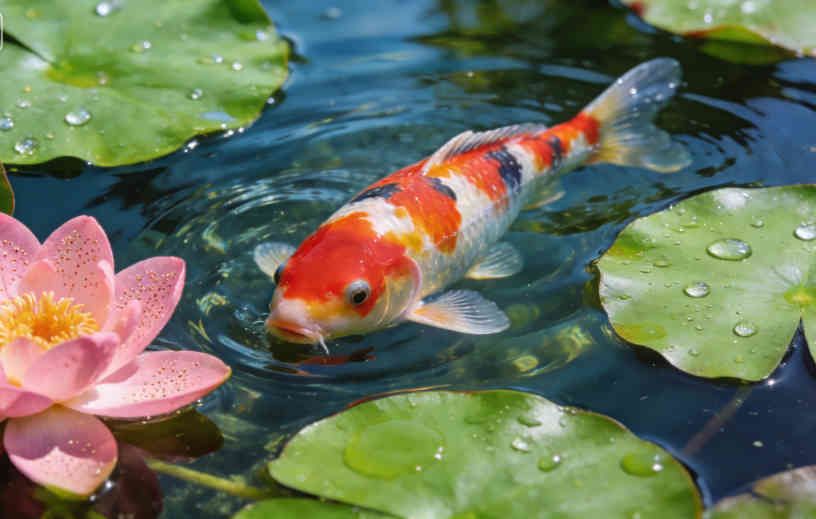
Koi is a general term for various ornamental carp varieties.This guide outlines the basic care requirements for several types of koi,including:
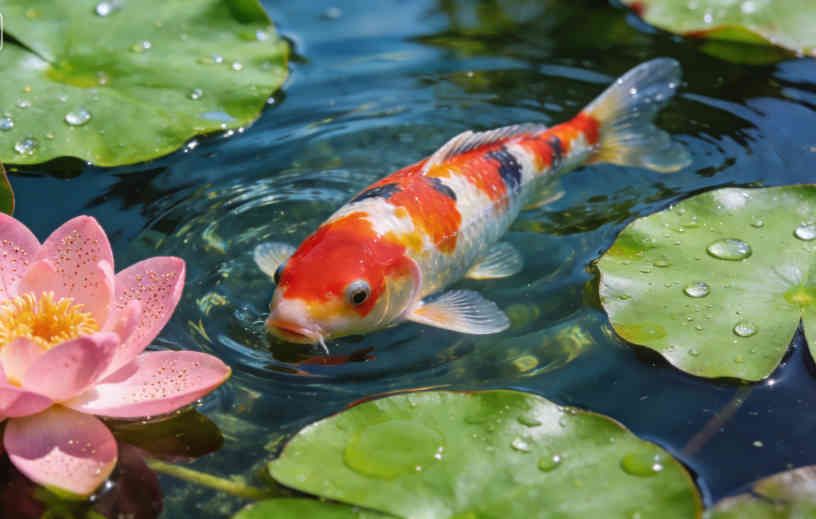
-Butterfly Koi
-German Koi
-Red and White Koi
-Peacock Koi
-Matsuba Koi
-Golden Koi
-Sanshoku Koi
-Showa Koi
Koi are known for their gentle temperament,vibrant colors,large size,and highly ornamental appearance.
Koi have been widely kept and bred in Japan since the 19th century.In Japanese culture,koi symbolize good fortune,care,and love,and they were the first fish species successfully bred on a large scale in captivity.
Ki keeping is a rewarding and lifelong commitment—with proper care,these fish can live up to 50 years.
Depending on their patterns,colors,and size,some koi can be quite valuable,fetching prices of thousands of dollars.
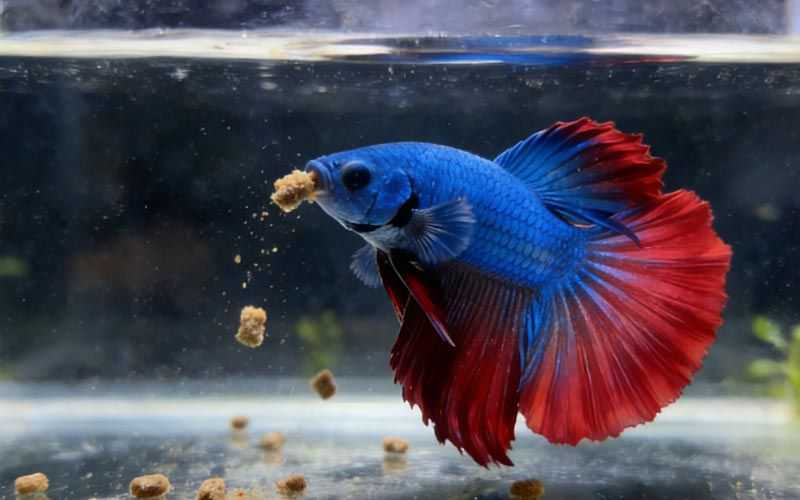
The optimal diet for koi requires variety,including pelleted,flake,frozen/thawed,and freeze-dried fish food.Since koi require more carbohydrates than other freshwater fish to maintain their health,it is recommended to choose fish food specifically formulated for koi.
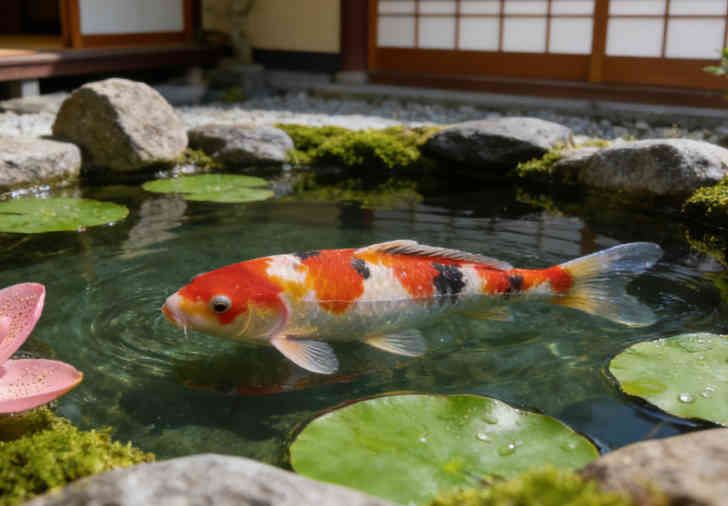
Feed koi in small amounts frequently throughout the day,with each feeding being small enough for them to finish within 1 to 2 minutes.Because koi appetites vary,gently scatter the fish food,adding more only after each bite has been consumed,continuing this for 3 to 5 minutes,or until they lose their appetite.Use a fishnet or skimmer daily to promptly remove any uneaten fish food from the pond.
To ensure the freshness of the fish food,it is crucial to change the koi fish food every six months.If the water temperature is below 55 degrees Fahrenheit(approximately 13 degrees Celsius),koi should be fed every few days due to their slower metabolic rate.When the water temperature is between 55 and 70 degrees Fahrenheit,they can be fed daily.If the water temperature exceeds 70 degrees Fahrenheit,they can be fed twice daily.
Koi require a nutritionally balanced diet.It is recommended to feed them high-quality commercial fish food specifically formulated to meet their physiological needs.This type of fish food comes in various forms,including pellets,flakes,frozen/thawed,and freeze-dried,allowing you to choose according to your feeding requirements.
Frozen fish food must be completely thawed before feeding it to koi.
Koi Care Tips
Water Treatment Before Adding Water
Use a water conditioner to remove toxic chemicals such as chlorine,chloramines,and heavy metals from the water to ensure that the water quality meets the standards for koi care.
Maintain Consistent Water Temperature and Salinity
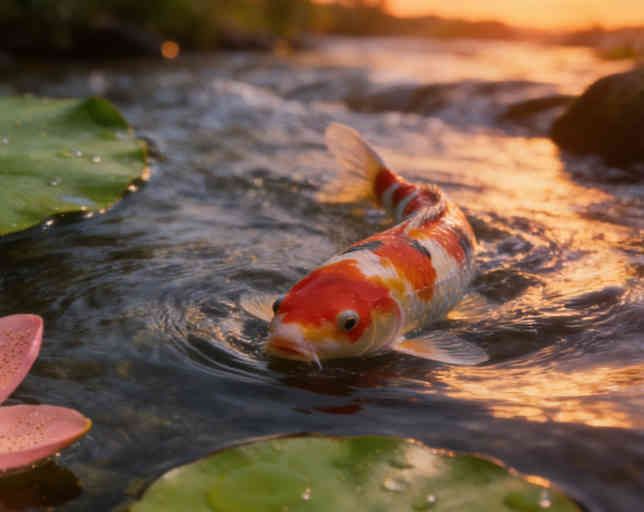
When adding new water,ensure it maintains the same temperature and salinity as the existing water in the aquarium or pond to avoid stress to the koi due to sudden environmental changes.
Test Water Quality After Adding New Fish or Equipment
For the first two months after adding new fish or equipment,test the water quality in the aquarium or pond weekly,focusing on pH,nitrite,ammonia,nitrate,carbonate,and total hardness.If all indicators remain within safe ranges,reduce the testing frequency to once a month.
Replace Water Quality Test Kits Annually
Water quality test kits have an expiration date;expired kits may produce inaccurate results.Therefore,replace them annually.
Daily Equipment Checks
Check the filter and other aquarium equipment daily to ensure they are functioning properly and to prevent equipment malfunctions from affecting the koi's living environment.
Filter Media Maintenance
Replace filter media monthly,depending on water quality and the number of koi;or rinse the filter media with old water from the aquarium or pond during water changes to retain beneficial bacteria.
When rinsing filter media,never use hot water,bleach,or other chemicals,as these can kill the beneficial bacteria in the media that are crucial for maintaining a stable aquatic environment.
Avoid replacing all filter media at once.
Replacing all filter media at once will completely remove the beneficial bacteria needed to maintain the ecological balance in the water,easily leading to sudden changes in water quality and affecting the health of koi.Therefore,this should be avoided.
Remove uneaten food daily.
Use a fine-mesh net or pond skimmer daily to promptly remove uneaten food from the pond to prevent food from rotting and polluting the water.