Information
- Home
- others

With proper scientific care,rabbits can live over 10 years,making rabbit ownership a commitment requiring long-term investment and responsibility.Rabbits are not nocturnal but rather crepuscular,with peak activity around sunrise and sunset.However,rabbits are highly adaptable and can usually gradually adapt to their owner's routines and habits.
It's important to clarify that rabbits belong to the order Lagomorpha,not rodents.These small animals are highly intelligent and possess strong social attributes.They require daily interaction and play with their owners,and moderate activity in a safe,enclosed environment to meet their physiological and psychological needs.
When rabbits are outside their enclosures,they must be closely monitored by their owners at all times.Owners should ensure that rabbits only enter rabbit-proofed areas,removing electrical wires,cables,and other chewable items to eliminate safety hazards.
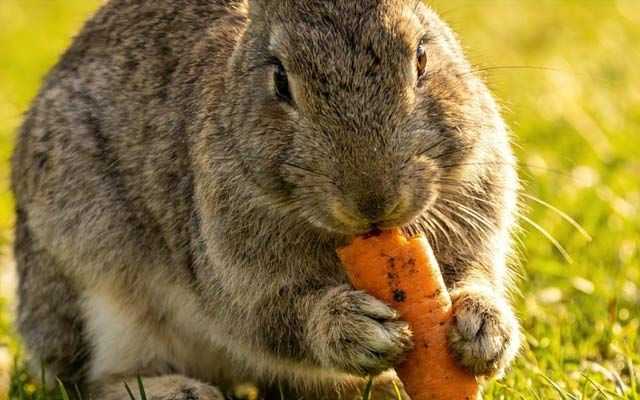
Rabbits generally prefer a social lifestyle and are particularly well-suited to being raised with another rabbit.Rabbits that grow up together are more likely to establish a harmonious relationship.However,rabbits have a strong sense of territory,and fights may occur upon initial encounters.When introducing rabbits to each other,owners must closely supervise the process and choose a neutral area to minimize the risk of conflict.
Although rabbits have strong hind legs,their bones and spine are extremely fragile.If a rabbit loses its balance while kicking forcefully,it could fracture its spine.Therefore,when holding a rabbit,owners must firmly support its body,focusing on protecting its hindquarters.Never grab the rabbit by the ears,and never let it lie on its back to avoid accidental injury.
Rabbits are naturally clean animals and have a habit of relieving themselves in a designated spot.They can be trained to use a litter box,making environmental cleaning and daily care easier.
Key Considerations for Rabbit Care
As a rabbit owner,you should focus on the following care points to ensure your rabbit's health and comfort:
-Pet rabbits need a safe and clean place to live,a nutritionally balanced diet,sufficient daily exercise,regular grooming,and a professional veterinary check-up annually to rule out any health issues.
-Daily interaction with your rabbit is crucial.Playing,grooming,and exploring together strengthens the bond and meets its social needs.
-Implementing rabbit-proofing measures in your home effectively protects your rabbit from harm,toxins,and accidents.Since rabbits naturally love to chew and dig,preventative measures are essential:protect electrical wires,cover kickboards,remove poisonous plants,provide safe chew toys,and supervise your rabbit constantly when it's out of its enclosure.
-Train your rabbit to use a litter box,taking advantage of its natural potty training habits.This keeps the environment clean and reduces daily cage maintenance.
-Closely observe your rabbit's behavior daily to detect potential illnesses early.As predators in nature,rabbits'behavioral changes when sick are often subtle;owners must pay close attention and seek veterinary care immediately if any abnormalities are observed.
Core Care Needs of Rabbits
To maintain a rabbit's health and comfort,its needs in several aspects,including diet,housing,and activity,must be met.Specifically:
Dietary Needs
A rabbit's diet must include ample fresh hay,which is crucial for its dental health and normal digestion.A rabbit's teeth continue to grow,and hay naturally wears down their teeth during chewing,preventing excessively long or sharp teeth from scratching the tongue and cheeks and causing oral injuries.In addition to hay,a constant supply of fresh,clean drinking water is essential to maintain the body's hydration balance.
Housing Needs
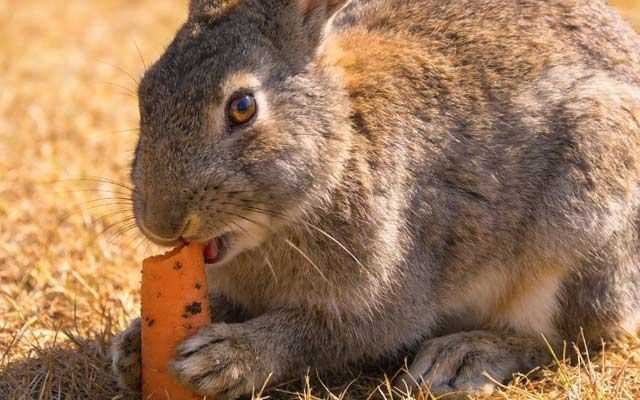
Rabbits require spacious cages with a sturdy,flat floor and thick,clean bedding to prevent foot injuries and skin infections.The ambient temperature should be kept stable,ideally between 60-70 degrees Fahrenheit(approximately 16-21 degrees Celsius),which is roughly equivalent to room temperature.Rabbits should be regularly guided outside their cages for exercise daily,with constant supervision,allowing them to exhibit natural behaviors such as playing,jumping,and stretching.This promotes joint health,provides mental stimulation,and helps prevent obesity.
Adapting to Natural Habits
In nature,rabbits primarily inhabit grasslands,woodlands,and steppes.They are adept at digging burrows and prefer cool,well-ventilated environments.When keeping rabbits at home,it's essential to mimic their natural habitat as closely as possible,providing suitable enclosures and activity space.This is crucial for the rabbit's overall health and well-being.
Rabbit Enclosure Selection and Arrangement
Enclosure Size Requirements
An ideal rabbit enclosure should be at least four times the size of the rabbit's body,ensuring it can comfortably stretch its body in all directions.Specific size recommendations:For small to medium-sized rabbits,the enclosure should be at least 24 inches long x 24 inches high(approximately 4 square feet);for large to giant rabbits,the enclosure should be at least 36 inches wide x 36 inches high(approximately 9 square feet).Provide as much activity space as possible when possible.
The enclosure should have good ventilation,an escape-prevention design,and a solid floor to prevent bedsores on the rabbit's feet.Besides indoor cage housing,if environmental conditions are suitable,owners can create a safe outdoor activity space for rabbits to exercise,play,and explore,further satisfying their natural needs.
Detailed Rabbit Diet Guide
Rabbits have diverse dietary preferences,including Timothy hay,specialized rabbit pellets,vegetables,fruits,and a small amount of treats.Fresh,clean drinking water must be available at all times.A nutritionally balanced rabbit diet should follow these proportions and principles:
-Hay:Timothy hay or other hay,such as orchard hay,oat hay,and pasture hay,can be provided in unlimited quantities as the core of their diet.Alfalfa hay is high in calcium,fat,and protein,suitable for young rabbits,lactating does,and breeding rabbits;adult rabbits should only be given it as an occasional treat,as excessive consumption can easily lead to obesity and bladder stones.
-Specialized Rabbit Pellets:Choose high-quality rabbit pellets and feed in limited quantities.It is generally recommended to feed 1/4 cup per 5 pounds(approximately 2.27 kg)of rabbit body weight per day.

-Snacks,vegetables,and fruits:The total amount must be strictly controlled,not exceeding 10%of the rabbit's daily diet.Suitable foods for rabbits include leafy greens,herbs,carrot tops,chopped bell peppers,cucumbers,pumpkins,celery,broccoli,Brussels sprouts,and other vegetables,as well as high-fiber fruits such as apples and pears.
-Contraindications:Fruits are high in natural carbohydrates;excessive intake can disrupt a rabbit's digestive system,causing diarrhea,bloating,and decreased appetite.Feeding fruit seeds,pits,and rhubarb is strictly prohibited,as these substances may harm the rabbit's health.
-Drinking water requirements:Change the drinking water daily to ensure freshness and cleanliness.Use a non-tipping water bowl or a dedicated water bottle according to the rabbit's drinking habits to ensure a constant water supply.