Information
- Home
- others

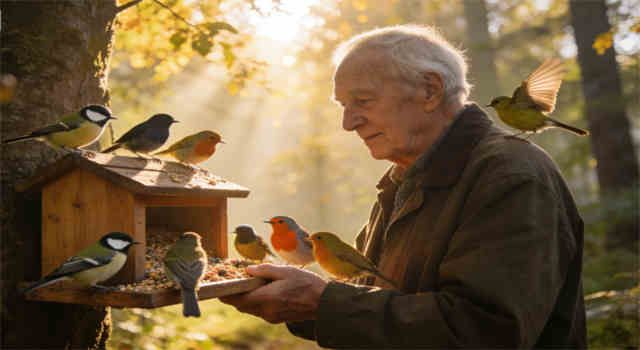
Birdwatchers often attract birds by feeding them,allowing for close observation of local bird populations.However,the method of feeding and the choice of food are crucial,directly impacting the birds'health and the effectiveness of observation.
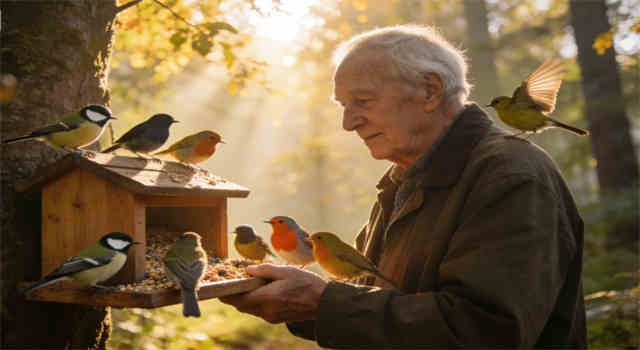
Different types of wild bird food can attract a variety of bird species,allowing enthusiasts to enjoy rich birdlife indoors and gain endless enjoyment.Providing various types of feeders and a proper combination of food and water can attract a diverse range of birds year-round.The following is some professional knowledge about feeding wild birds for enthusiasts'reference.
Feasibility of Feeding Wild Birds
Feeding wild birds helps ensure they receive sufficient food during migration and provides adequate nutrition during harsh winters,increasing their survival rate.
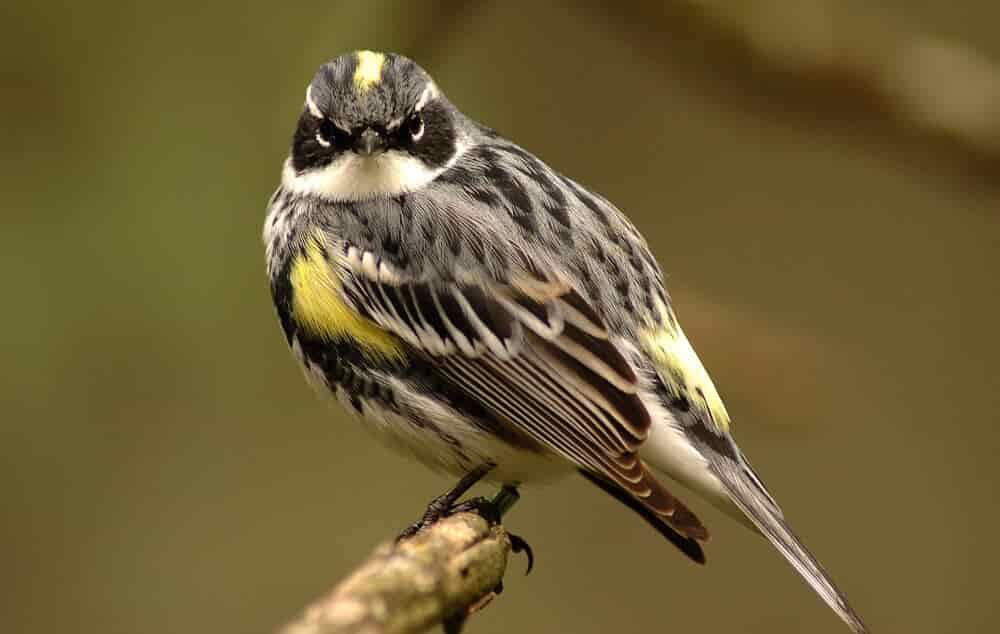
Furthermore,feeding helps birdwatchers learn about the different bird species in the area during different seasons.Songbirds,hummingbirds,woodpeckers,finch,tits,cardinals,and blue robins,among many others,can be observed at different times of the year.
Suitable Foods for Wild Birds
Wild birds have a wide variety of edible foods,primarily including:
-Nectar
-Seeds
-Nuts
-Insects
-Soft fruits
-Various mixed,cylindrical,cake-like,and buttery bird fats
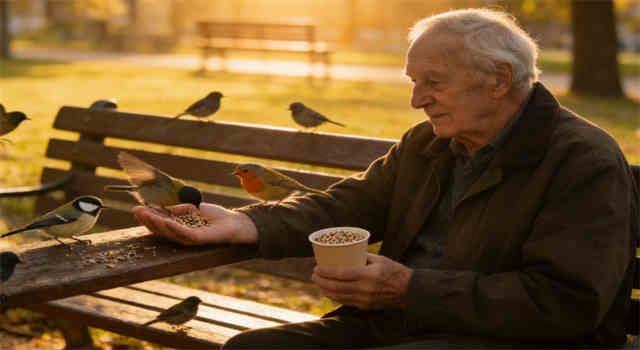
Currently,there are many bird feeds specifically designed for wild birds,meeting their nutritional needs for nesting and winter survival.Some bird feeds also contain special ingredients to effectively prevent other wild animals and pests from stealing them.
Organic bird feed has significant advantages,providing birds with ample nutrition while avoiding exposure to harmful chemicals such as chemical fertilizers,pesticides,herbicides,and fungicides.Live or dried mealworms can enrich a bird's diet and are rich in high-quality protein,supplementing essential nutrients.In addition,fruits and nuts are ideal snacks for birds to replenish energy,and most fruits and nuts are suitable for a variety of bird species.
Food Choices for Wild Birds in Different Seasons
Spring and summer are the breeding and nesting seasons for birds.During this period,choosing high-protein birdseed is crucial to meet the increased nutritional needs of birds during breeding,nest building,and raising chicks.
Autumn is the migration or preparation phase for birds.At this time,birds typically need to consume high-fat foods to store enough fat to cope with the long southward migration.
For birds that remain in the local area for the winter,a high-energy,high-fat diet is necessary to maintain body temperature and withstand the cold weather.Suitable bird diets for each season are as follows:
-Spring:Mixed seeds,sunflower seeds,sunflower seed flakes,millet,fresh fruit;in dry weather,butter,nectar,peanut butter,mealworms,and crushed eggshells can be given.
-Summer:Mixed seeds,sunflower seeds,sunflower seed flakes,Niger seeds,millet,nectar,fruit,jelly,mealworms,peanuts,butter.
-Autumn:Mixed seeds,sunflower seeds,Niger seeds,millet,nectar,nuts,fruit,butter,crushed corn.
-Winter:Mixed seeds,sunflower seeds,millet,Niger seeds,nuts,butter,cheese,fruit,peanut butter,crushed corn.
Is bread suitable for birds?
Feeding bread to wild birds is not recommended.Bread,grains,biscuits,and other human foods cannot provide birds with the necessary nutrients and may cause wild birds to feel full too early,thus preventing them from obtaining enough nutrients to maintain optimal health.
It is particularly important to note that if young birds are fed this type of food,the insufficient protein and mineral content may lead to growth deformities,affecting their normal growth and development.
The Best Time to Feed Birds in Your Backyard
Feeding wild birds in your backyard can be done year-round to attract them to residential areas.During certain specific periods,birds benefit even more from this additional food source.
For example,birds'nutritional needs increase significantly in spring when they enter the nesting and chick-raising period;additionally,in harsh winter conditions,birds may have scarce resources,and feeding them at this time can effectively improve their chances of survival.
If possible,birdseed should be added to the feeder daily.It is recommended to provide fresh birdseed in the early morning or before sunset,which increases opportunities for birdwatching.
Potential Risks and Countermeasures for Feeding Birds in Your Backyard
I.Risk of Disease Transmission
One potential risk of feeding wild birds is that they may spread infectious diseases through close contact near the feeder.However,this risk can be effectively reduced through proper care,maintenance,and planning.
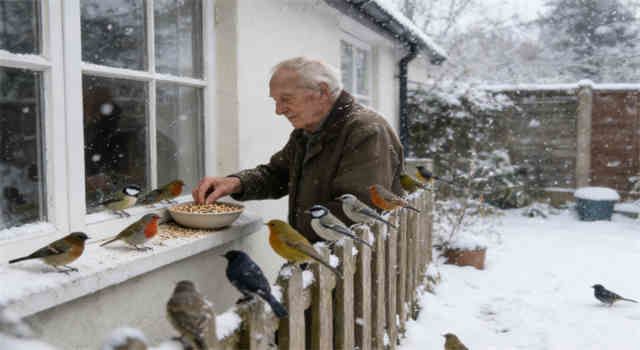
Bacteria such as E.coli and Salmonella can cause digestive system diseases in birds,leading to dehydration and even death.Furthermore,highly pathogenic avian influenza is spreading rapidly among wild birds and other wildlife,posing a risk of infection to humans as well.
To reduce the risk of disease transmission,it is recommended to clean feeders at least every 1-2 weeks to kill bacteria and other pathogens on their surfaces.Use bleach or warm soapy water for cleaning and wear gloves.Wash hands thoroughly after cleaning,avoiding touching the mouth and nose before washing to minimize the risk of human infection.
Additionally,feeders should be placed away from human living areas or patios to prevent bird droppings from contaminating living areas.If sick or dead birds are found,avoid direct contact and contact the local wildlife management department or animal control center immediately.
For immunocompromised birds,areas contaminated with bird droppings should not be handled or cleaned unless under the guidance of a veterinarian.
II.Predator Risk
Feeding behavior causes birds to frequently visit the same location,increasing their risk of attack by predators such as domestic cats and local eagles.Furthermore,food in feeders can attract other wild animals such as squirrels and bears,which seek out easily accessible food sources.
These risks can be minimized by carefully selecting the type of food and the location of the feeder.For example,installing squirrel-proof barriers can effectively reduce the approach of unwelcome guests like squirrels to the feeder.
III.Risk of Bird Strikes at Windows
When feeders are placed near buildings,birds may see the outside environment through the glass,leading to strikes.Even applying reflective or brightly colored stickers to windows cannot completely prevent bird injuries.
Placing the feeder at least 30 feet(approximately 9 meters)away from windows reduces the birds'flight speed,giving them ample time to avoid obstacles and thus reducing injuries from high-speed impacts.