Information
- Home
- others
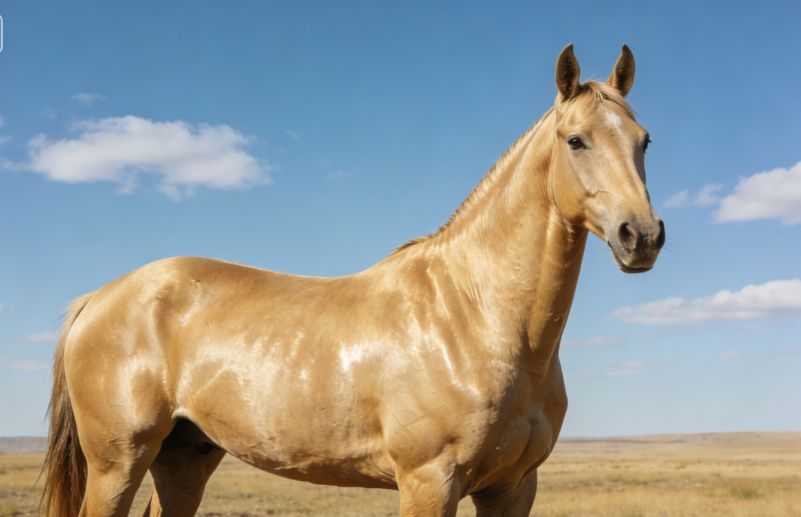
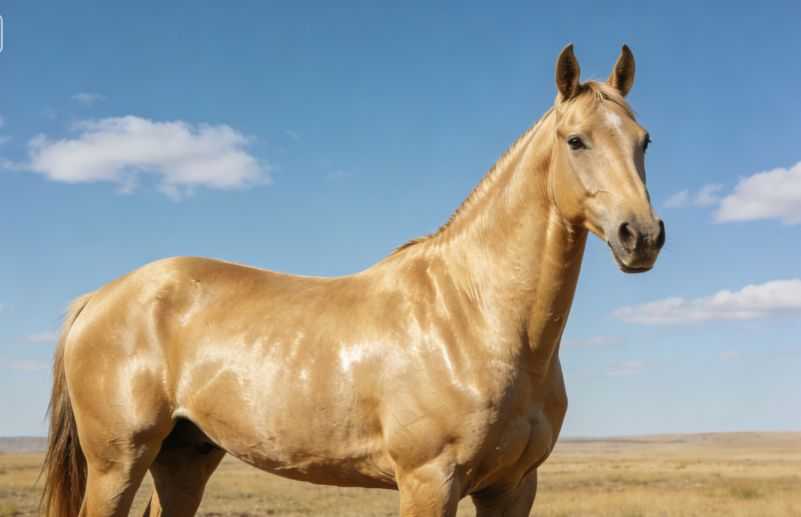
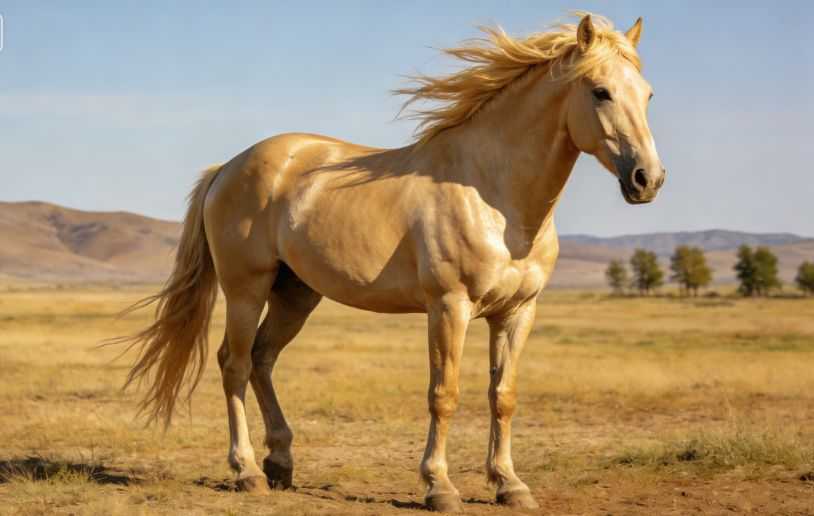
The Akhal-Teke,also known as the"Golden Horse,"is an ancient horse breed originating in what is now Turkmenistan.This breed is intelligent,handsome,and possesses a unique,shimmering golden coat.It is one of the world's oldest horse breeds,with its domestication history dating back over 3,000 years.It is also one of the rarest horse breeds globally,with a current global population of fewer than 7,000.
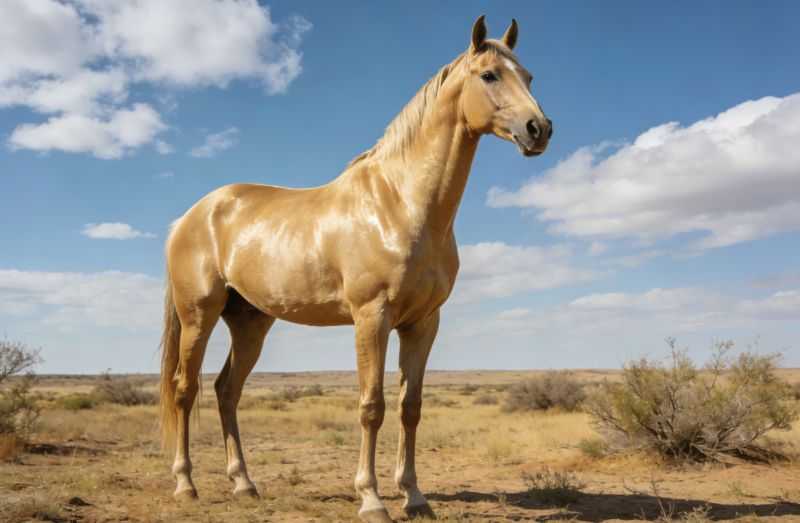
Akhal-Teke horses are robust,possess excellent athletic performance,and are lively,active,and energetic.They enjoy exercise,adapt to various training methods,and crave attention,especially from their closest companions.
While Akhal-Tekes are gentle in nature,as a spirited breed,their high energy and relatively volatile moods make them less suitable for beginners or inexperienced riders and trainers.However,for experienced riders and trainers,the Akhal-Teke can be a loyal,reliable,and diligent partner.
While Akhal-Teke horses don't have overly complex or special requirements in terms of diet and daily care,it's still necessary to pay attention to various health problems they are prone to during their rearing.
Because Akhal-Teke horses evolved gradually in harsh natural environments,including the Karakum Desert,their physiology is adapted to extreme conditions,allowing them to survive on limited food and water.In the past,people supplemented their growth with protein and fat by feeding them eggs,barley,and other foods.
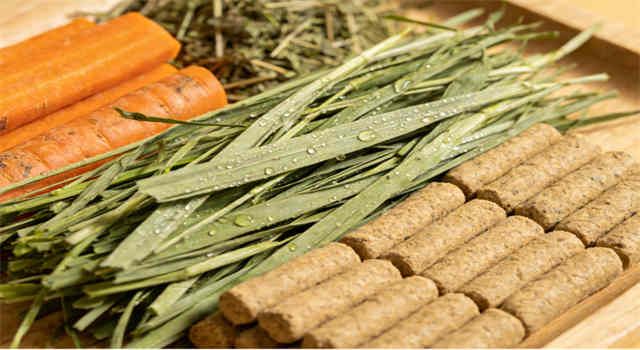
Today,Akhal-Teke horses in captivity are better suited to a high-protein diet.Typically,they need to be fed roughage equivalent to 2%of their body weight daily,with common roughage including legume hay and grass hay.For example,an Akhal-Teke weighing 950 pounds(approximately 400 kg)requires about 19 pounds(approximately 8.6 kg)of roughage daily.
If the horses need more protein and fat to increase their energy reserves,hay clumps and Omega-3 fatty acid supplements can be given appropriately.This breed can also graze in open pastures,but special attention must be paid to safety during spring grazing—the characteristics of spring pasture growth may increase the risk of digestive disorders and laminitis in horses.
It is recommended that owners consult a veterinarian to understand how to scientifically supplement the horse's diet with vitamins and minerals to ensure a balanced nutritional intake.Furthermore,if the horse has been diagnosed with a chronic disease,or if the owner wishes to prevent various health problems in advance,they can consult a veterinarian for appropriate nutritional supplementation plans and professional guidance.
All Akhal-Teke horses must have access to plenty of clean drinking water at all times and should be provided with salt blocks to help maintain their body's water and electrolyte balance and ensure normal physiological function.
Akhal-Teke horses are a typical hot-blooded breed,typically loyal,intelligent,and sensitive,capable of forming deep emotional bonds with their favorite owners or riders.In fact,this breed can sometimes form extremely close bonds with a specific individual,even to the point of being reluctant to interact with other people.
Given the Akhal-Teke's extremely high energy levels,with some individuals even exhibiting impulsiveness,this breed is generally not suitable for inexperienced riders.If the owner or rider does not understand their physiological and behavioral needs,they may find it difficult to manage and control them effectively.
Akhal-Tekes thrive on an active lifestyle,therefore they need ample opportunities for exercise or work daily to release their excess energy in a positive and healthy way.Prolonged lack of exercise and activity may lead to restlessness and a range of behavioral problems.