Information
- Home
- others

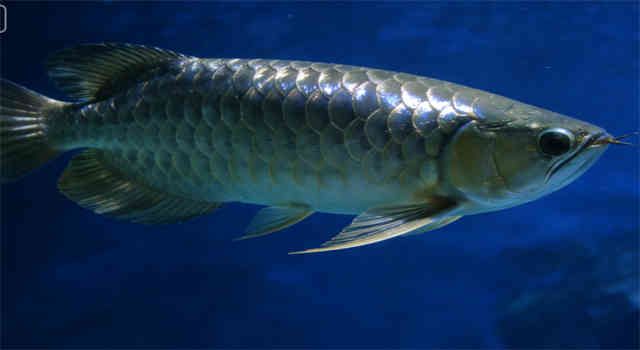
Arowana(scientific name:*Osteoglossidae*,family Osteoglossidae)are a group of prehistoric,slender freshwater fish originating in the Mesozoic Era.Belonging to the order Osteoglossiformes,their evolutionary history can be traced back to approximately 300 million years ago,making them one of the oldest living fish species.According to ichthyological studies and distribution surveys,arowanas primarily inhabit tropical freshwater areas of South America,Asia,Australia,and Africa.They prefer slow-moving,clear,and oxygen-rich rivers,lakes,and swamps,and are adapted to the year-round water temperature of tropical waters(24-30℃).In the traditional cultures of Southeast Asia and East Asia,certain arowana varieties,such as the red arowana and the golden arowana,are imbued with symbolic meanings of health,good fortune,and prosperity due to their resemblance to the legendary dragon.This cultural perception has persisted for centuries,making them highly representative auspicious fish in folk aquarium keeping.This guide,combining ichthyological research,experienced aquarium keeping practices,and industry consensus,outlines the basic care requirements for several common arowana species,including:Silver Arowana(scientific name:*Osteoglossum bicirrhosum*),native to the Amazon River basin in South America,is one of the most common arowana varieties and a popular choice for beginners.
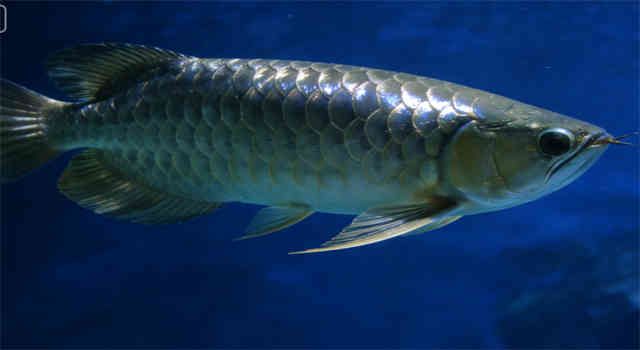
Jar's Arowana(scientific name:*Scleropages jardinii*),also known as the Spotted Arowana,originates from the freshwater basins of northern Australia.Slightly smaller than the Silver Arowana,its body is covered with star-shaped markings,giving it unique ornamental value.
Based on industry consensus and the biological characteristics of arowanas,adult arowanas are quite large(reaching over 90 cm in length)and possess a strong territorial instinct,exhibiting high levels of aggression among their own kind.They also require a stable environment,making them more suitable for experienced aquarists who can precisely control water quality and environmental conditions.From a physiological perspective,arowanas have relatively fine gill filaments,making them far less tolerant of nitrates(NO3-)in the water than common ornamental fish such as cyprinids and cichlids.Excessive nitrate concentrations can easily lead to gill damage,weakened immunity,and problems like gill rot and loss of appetite.Therefore,keepers must follow aquarium husbandry guidelines,regularly performing partial water changes(each change should be 20%-30%of the total aquarium volume)and frequently testing the water quality to ensure that nitrite(NO2-)levels are close to zero(meeting the safety standards for freshwater ornamental fish;nitrite levels>0.1 mg/L may harm arowanas).
According to the growth and development patterns of arowanas,their growth rate is fastest in the first year after birth,influenced by factors such as the breeding environment and diet,reaching up to 2 inches(approximately 5 cm)per month.After entering adulthood,the growth rate slows down,and adult individuals can reach three feet(approximately 90 cm)or even longer,with the specific length varying depending on the species and breeding conditions.From an anatomical perspective,the long,whisker-like barbels at the base of the arowana's mouth are important tactile organs,densely packed with nerve endings.These barbels allow the arowana to keenly sense water surface movement,current changes,and the location of food,providing a crucial physiological basis for foraging and escaping danger in its natural environment.
Considering the arowana's natural diet(surface-feeding carnivorous fish)and nutritional needs,their diet should adhere to the principles of"high protein,easily digestible,and closely aligned with their natural diet."It is recommended to feed them floating pellets or strip-shaped food specifically designed for surface-feeding carnivorous fish(facilitating feeding at the water surface and conforming to their feeding habits).This should be supplemented with live fish,frozen fish,freeze-dried fish,insects,krill,worms,and shrimp to ensure a balanced diet.Such food provides the arowana with the protein,amino acids,and minerals necessary for growth,meeting their needs for body development and energy expenditure.
The feeding frequency needs to be scientifically adjusted according to the digestive capacity and nutritional requirements of arowanas at different growth stages:Juvenile arowanas are in a period of rapid growth and development,and their digestive function is relatively active,so they should be fed 2-3 times a day;adult arowanas grow at a slower rate,and their digestive capacity becomes more stable,so they only need to be fed once a day.To avoid food residue polluting the water and causing gastrointestinal diseases,the amount of food should be controlled each time,ensuring that the arowana can finish all the food placed in the aquarium within 1-2 minutes.This is the core principle of aquarium keeping:"small,frequent meals,less is more,"which can effectively reduce the risk of water quality deterioration and food stagnation in arowanas.
A balanced diet for arowanas specifically includes:
1.Floating pellets or strips of food specially designed for surface-feeding carnivorous fish:This type of food is scientifically formulated to precisely match the nutritional needs of arowanas,and its buoyancy matches their surface-feeding habits.It also makes it easy to control the amount of food given,reducing water pollution,and is the core food for daily arowana care.
Recommended Products:
NorthFin Arowana-Specific 3mm Floating Strip Food:Made with high-quality animal protein,this food is tailored to the arowana's diet,easily digested and absorbed.It is also fortified with various vitamins and minerals to meet the arowana's growth and development needs.It is a highly recognized arowana-specific food within the aquarium industry.
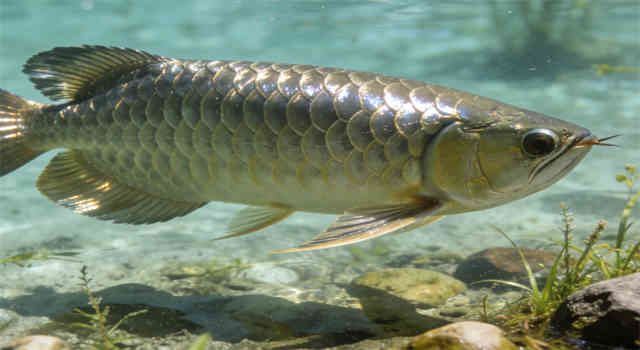
2.Live fish,frozen or freeze-dried fish,insects,worms,and shrimp:These animal-based foods supplement the arowana's natural nutritional needs,mimicking their feeding experience in their natural environment and enhancing their activity levels.
Note that young arowanas have delicate mouths and digestive systems.They should not be fed insects or invertebrates with sharp or hard shells(such as unshelled shrimp,large beetles,etc.)to avoid scratching their oral mucosa or digestive system.Frozen food must be completely thawed before feeding to prevent cold-induced gastrointestinal irritation and discomfort.This is a key feeding point based on the arowana's gastrointestinal physiology.
Recommended Products:
Tetra JumboKrill Freeze-Dried Shrimp(Freshwater and Saltwater Fish Snack):Made from high-quality freeze-dried krill,retaining natural nutrients,with a soft texture that is easily eaten and digested by arowanas.It also supplements calcium and trace elements.
San Francisco Bay Brand Freeze-Dried Krill Fish Food:High purity,no added unnecessary ingredients,rich in protein and astaxanthin,meeting the nutritional needs of arowanas and enhancing their skin luster.
Tetra BloodWorms Freeze-Dried Fish Food:Made from bloodworms,high in protein,palatable,and suitable as a supplementary food for arowanas to supplement their nutrition.
From a behavioral perspective,arowanas are naturally sensitive and react strongly to changes in light.Therefore,before turning on the lights in the arowana tank,pet owners should first turn on the lights in the room where the tank is located.This allows the arowana to gradually adapt to the change in light,avoiding sudden bright light stimulation that could startle it and cause it to jump out of the tank(arowanas are strong jumpers,and jumping after being startled can easily lead to injury or even death).This is an important care tip based on the behavioral habits of arowanas.
According to aquarium water quality management standards,tap water contains toxic chemicals such as chlorine,chloramines,and heavy metals.These substances can damage the arowana's gill structure,affect its respiratory function,and even lead to poisoning and death.Therefore,before adding water to the aquarium,tap water must be treated with a professional water conditioner to completely remove toxic chemicals.At the same time,the temperature of the new water added must be consistent with the existing water temperature in the aquarium(the temperature difference should not exceed 2°C)to avoid sudden temperature changes that could stimulate the arowana and trigger a stress response(stress in arowanas can easily lead to decreased immunity and induce various diseases).

Recommended Products:
API Tap Water Conditioner:A commonly used water quality conditioner in the aquarium industry,it quickly removes chlorine,chloramines,and heavy metals from tap water,while neutralizing harmful substances and stabilizing water quality.Suitable for pre-treatment of water for arowana keeping.
API 5-in-1 Freshwater and Saltwater Aquarium Test Strips:Quickly detects key water quality indicators in aquarium water,such as pH,nitrates,nitrites,and hardness.This allows keepers to monitor water quality and adjust feeding practices accordingly,meeting the high water quality requirements of arowanas.
It is important to reiterate that arowanas have a unique gill structure and a much lower tolerance for nitrates than other common ornamental fish.This characteristic has been confirmed by ichthyological research and long-term breeding practice.Therefore,keepers must perform regular partial water changes and frequently test aquarium water quality,strictly controlling nitrite levels to ensure they are as close to zero as possible.This provides a stable and healthy environment for arowanas and prevents various diseases caused by water quality issues.