Information
- Home
- others
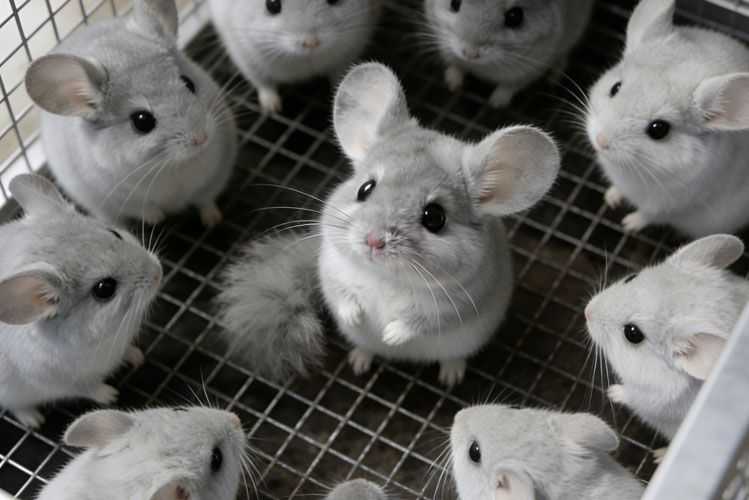
When properly cared for and nourished,chinchillas can make excellent companions.A scientifically formulated diet is fundamental to maintaining your pet’s health and supporting a long,fulfilling lifespan.
So,what constitutes an appropriate diet for chinchillas?Below is a comprehensive overview of all key considerations regarding chinchilla nutrition.
Key Takeaways
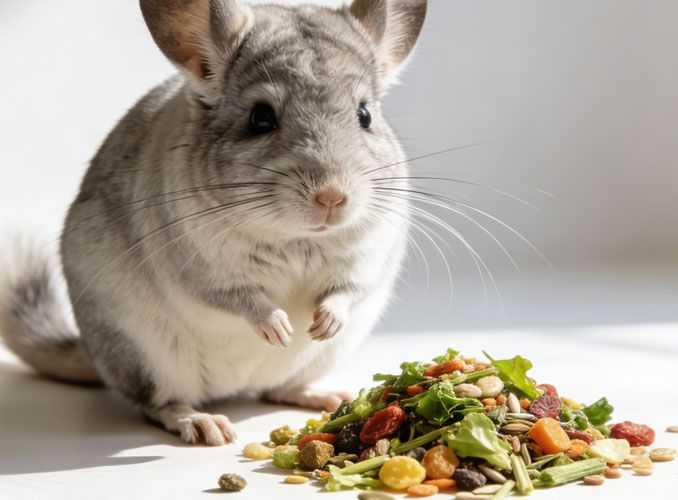
A balanced diet consisting of hay,pellets,fresh greens,and limited treats is essential for sustaining a chinchilla’s health and well-being.
Exclusive feeding of pellets fails to adequately wear down chinchillas’continuously growing teeth—a function uniquely fulfilled by hay and roughage.
Avoiding harmful food items and providing a nutritionally balanced diet minimizes diet-related medical conditions,enabling your pet to live a long and healthy life.
What Do Pet Chinchillas Eat?
Chinchillas are rodent species native to South America.In the wild,they primarily forage during early morning and late evening hours.Similarly,pet chinchillas should be fed twice daily—once in the morning and once in the evening.
Chinchilla Pellets:High-quality chinchilla pellets should be provided in controlled quantities,with 1–2 tablespoons per day being appropriate for adult chinchillas.
Hay:Due to their continuously growing open-rooted teeth,chinchillas require unlimited access to hay.Recommended varieties include timothy,oat,meadow,and orchard grass.
Fruits and Vegetables:Small portions of fruits(e.g.,apples)may be offered as occasional treats,no more than once weekly.Low-calcium vegetables(e.g.,celery)should constitute only 1–10%of the total diet.
Feeding Behavior:Chinchillas tend to consume food more slowly than other small mammals such as rabbits and guinea pigs,and may graze intermittently throughout the day.
Dietary Adaptations for Special Needs
Wild chinchillas naturally consume grass,cactus fruit,leaves,and bark from small shrubs.
Growing chinchillas,as well as pregnant or nursing females,may require increased pellet intake(or unlimited access)to meet elevated demands for calories,protein,fat,and calcium.
During periods of growth,pregnancy,or lactation,large handfuls of alfalfa hay should also be provided to supplement nutrition.
What Foods Are Toxic or Harmful to Chinchillas?
Excessive pellet consumption fails to provide sufficient dietary fiber to support the microbial community in the cecum—where fiber is broken down into vitamins and nutrients.As noted,pellets also do not promote natural tooth wear like hay and roughage.
The following food items should never be fed to chinchillas:
Dried fruit:High sugar content can lead to obesity,diarrhea,and gastrointestinal distress.
Grains:Low in fiber and high in carbohydrates,increasing the risk of weight gain and stomach upset.
Nuts and seeds:High in fat,low in fiber,and potential choking hazards;may contribute to obesity.
Branches from toxic fruit trees(e.g.,cherry,cedar,plum,redwood):Contain cyanide and are fatal if ingested.
Candy:Excessive sugar causes digestive disturbances.
Dairy products:High in fat,and most chinchillas are lactose intolerant.
Caffeine and chocolate:Toxic due to the presence of theobromine.
Meat or eggs:Chinchillas are herbivores;animal products induce digestive complications.
Dog or cat food:Excessively high in protein and fat for chinchilla physiology.
Alcohol:Toxic to chinchillas.
If uncertainty arises regarding the safety of a specific food item,consult your primary veterinarian prior to feeding it to your chinchilla.
Can Chinchillas Eat Fruits and Vegetables?
Yes,chinchillas can consume select fruits and vegetables in moderation:
Fresh Greens:Dark leafy greens provide additional water and fiber.Low-calcium varieties are recommended to prevent bladder stone formation.Up to 1–2 cups of greens per day may be added to the diet,including:
Romaine lettuce
Red leaf lettuce
Green leaf lettuce
Celery
Bell peppers
Butter lettuce
Fruits:Small portions of fruit may be offered as weekly treats.Safe options include:
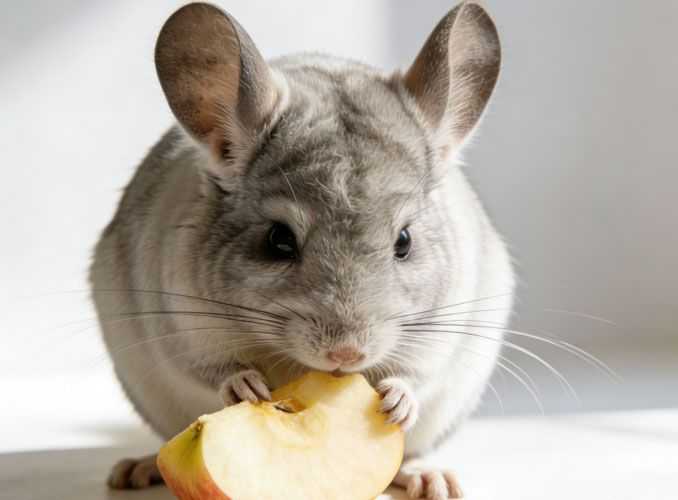
Apples
Bananas
Pears
Peaches
Strawberries
Chinchilla Water Requirements
Fresh,clean drinking water is a critical component of a chinchilla’s healthy diet.Pet owners should provide water daily via a chinchilla-specific bowl or water bottle.
Water containers(bowls and bottles)must be cleaned daily—scrubbed with dish soap or run through a dishwasher.
A small scrub brush should be used to clean the sipper spout of water bottles to prevent bacterial growth.
Water should be replaced daily,with refills as needed throughout the day to ensure constant accessibility.
Diet-Related Health Issues in Chinchillas
A chinchilla’s diet directly impacts its overall health.Deviations from recommended nutritional guidelines can lead to various health complications,including:
Tooth Impaction:Insufficient hay consumption(with exclusive pellet feeding)can cause misalignment and collision of upper and lower teeth,resulting in impaction.Treatment is limited to pain management and provision of soft foods.
Obesity:Overconsumption of pellets and treats can lead to weight gain and diarrhea.
Diarrhea:Excessive feeding of fresh greens may cause soft stools or diarrhea.
Bladder Stones:Feeding high-calcium alfalfa hay to non-breeding adult chinchillas is associated with bladder stone formation.Adult chinchillas should instead be offered low-calcium grass hays(e.g.,timothy,orchard,meadow grass).
Choking:Chinchillas are unable to vomit,so small or hard foods(e.g.,dried fruit,nuts,seeds,raisins)can become lodged in the mouth or esophagus,causing salivation,gagging,loss of appetite,or respiratory distress.
Intestinal Obstructions:Indigestible bedding materials(e.g.,wood shavings)may cause blockages.
Bloat:Sudden dietary changes can lead to gastrointestinal gas distension.
Constipation:May occur due to dietary changes,insufficient fiber intake,or an inappropriate diet.
Diabetes:Overweight chinchillas fed high-carbohydrate or high-sugar diets are at risk of developing diabetes.
In summary,a diet centered on hay,controlled pellets,fresh greens,and limited treats is paramount to a chinchilla’s health and happiness.Avoiding harmful foods and maintaining nutritional balance minimizes diet-related illnesses,supporting a long and healthy life for your pet.