Information
- Home
- others
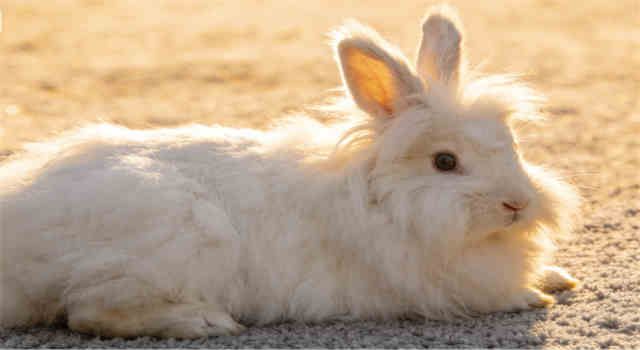
The Angora rabbit is one of the oldest living breeds of domestic rabbit.Currently,scholars generally believe that the breed originated in 18th-century Turkey,but evidence suggests that Angora rabbits existed as early as Roman times(at least 100 BC).Introduced to France in 1723,the Angora rabbit became famous as Marie Antoinette's favorite pet.The breed was introduced to the United States around 1840,and its population grew rapidly during World War II due to a surge in global demand for rabbit fur.
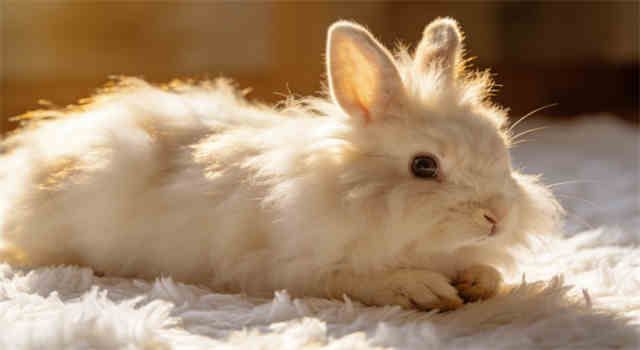
Angora rabbits carry a recessive gene that gives their fur a soft,silky texture and a relatively fast growth rate,approximately one inch(2.5 cm)per month.Angora rabbit fur is highly valued for its unique advantages;compared to other animal fur,it is less allergenic,has a luxurious and delicate feel,comparable to cashmere.The largest Angora rabbits can produce up to 4 pounds(1.8 kg)of fur per year.
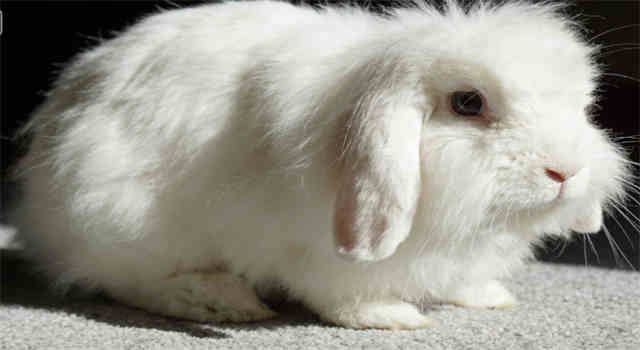
There are many breeds of Angora rabbits,with at least 11 different varieties currently known.Four of these breeds are officially recognized by the American Rabbit Breeders Association(ARBA),namely:
-English Angora
-French Angora
-Satin Angora
-Giant Angora
Adult Angora rabbits weigh between 4 and 12 pounds,with the exact weight varying depending on the breed.Their average lifespan is 5-12 years,with larger breeds generally living longer than smaller ones.
I.Angora Rabbit Feeding Guidelines
Angora rabbits should be fed according to a scientific feeding principle,combining their physiological characteristics with a reasonable diet to ensure healthy growth.Specific feeding guidelines are as follows:
(I)Hay
Hay is the staple food for all domestic rabbits and is crucial for maintaining the normal functioning of their digestive system.It is especially important for Angora rabbits—it not only promotes normal intestinal peristalsis but also helps prevent problems such as matted fur and intestinal stagnation.It is recommended to feed hay at least twice a day,with each feeding amount no less than the Angora rabbit's own body size.
(II)Leafy Green Vegetables
Leafy green vegetables should be fed in measured amounts.A suggested standard is approximately 1 cup of dark leafy green vegetables per 2 pounds of body weight per Angora rabbit per day.Suitable leafy green vegetables for Angora rabbits include:parsley,kale,arugula,mint,coriander,and carrot leaves.
Broccoli,zucchini,Brussels sprouts,and bell peppers can be fed in small amounts as supplementary foods.To avoid diarrhea,the total amount of all types of vegetables fed must be strictly controlled;fruits should only be given as treats and should not be fed in excess.
(III)Rabbit Diet
Rabbit pellets are an important source of vitamins and minerals for Angora rabbits.It is recommended to choose a fortified rabbit pellet.The feeding standard is 1/4 cup of rabbit pellets per 4-5 pounds(equivalent to 1.8-2.3 kg)of body weight per Angora rabbit per day.
(IV)Treats
Treatments should be given in small amounts,and high-fat,high-sugar treats are strictly prohibited.We recommend high-fiber rabbit-specific treats from the Oxbow brand,such as Oxbow Simple Rewards roasted sweet pepper small animal treats.These treats are better suited to the digestive characteristics of Angora rabbits and are a healthier choice.
(V)Water
Fresh,clean drinking water is essential for the health of Angora rabbits.To avoid contamination of the water source by food or soiled bedding,it is recommended to use a water bottle instead of a traditional water bowl.
II.Angora Rabbit's Personality and Behavioral Characteristics
Angora rabbits are naturally intelligent,friendly,and enjoy social interaction.They are usually willing to spend time with their owners and can build close relationships through play and cuddling.Angora rabbits also have some training potential and can be trained to use a litter box;some individuals will approach their owners when they hear their name.
It is particularly important to respect the behavioral boundaries of Angora rabbits during the care process,as this breed generally does not like to be picked up.Startled Angora rabbits may try to escape by kicking,scratching,or biting.Therefore,proper care and careful observation of their body language are crucial to preventing injury to both the rabbit and its owner.
Angora rabbits are beautiful in appearance and,in a suitable environment,make excellent family companion pets.Due to their long,flowing fur,owners need to invest extra time in meticulous grooming to maintain its health and comfort.Furthermore,proper care is essential to avoid harming the Angora rabbit.It is recommended that all family members(especially young children)use calm and gentle methods to handle them,respecting the Angora rabbit's independent needs.