Information
- Home
- others
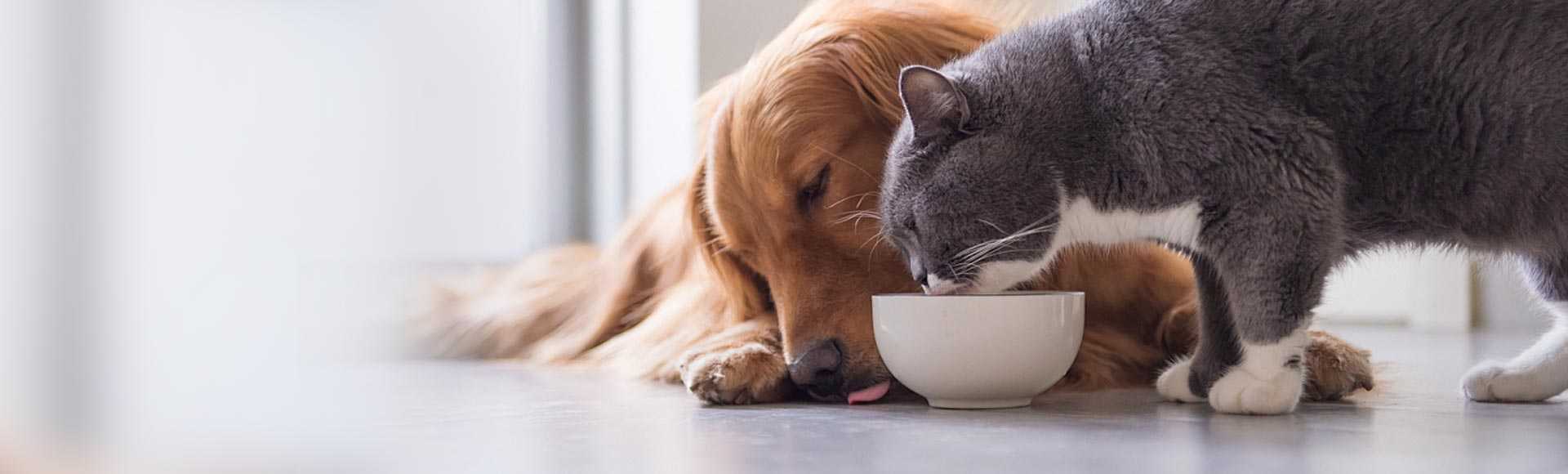
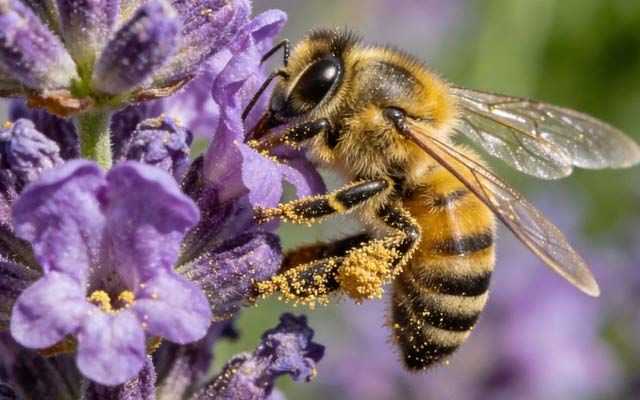
As their name suggests,bees(hymenoptera,Apidae)are vital small social organisms in nature,with honey production being one of their core biological functions.A complete bee colony exhibits a clear social division of labor,typically consisting of one reproductive queen,thousands to tens of thousands of female worker bees,and hundreds of male drones that emerge during the breeding season—this social structure is a typical social insect organizational model confirmed by long-term entomological research(see relevant research in the*Bulletin of Entomology*).
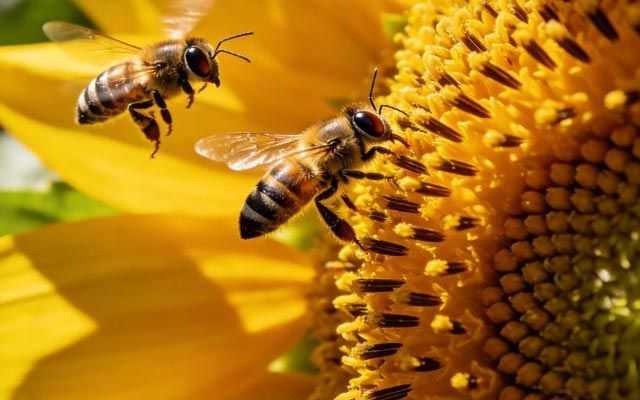
The ecological value of bees far exceeds honey production.They are key pollinators for over 80%of flowering plants globally(including numerous flowers,fruits,and vegetables),a figure from the Food and Agriculture Organization of the United Nations(FAO)'s*Global Pollinator Status Assessment Report*.For human ecosystems,the pollination role of bees is irreplaceable:the FAO explicitly states that approximately one-third of the food in the human diet depends on pollinating insects such as bees,covering key crops such as apples,strawberries,cucumbers,and rapeseed;if the bee population declines significantly,the yield of major global crops could be reduced by more than 90%,directly threatening food security and dietary diversity.Although many people instinctively want to drive away or even kill bees out of fear of being stung,professional beekeepers and entomologists urge people not to harm bees unnecessarily.From a behavioral perspective,bees are extremely low in aggression towards humans.They are naturally docile and only activate their defense mechanisms when they perceive a direct threat to their hive or resources(such as nectar sources).At this time,female bees with stingers(worker bees and queen bees)may attack,while male drones,lacking stingers,are completely incapable of stinging.It is important to note that worker bees'stingers have barbs,and after stinging,the stinger may detach and cause internal organ damage,usually resulting in death within minutes.Therefore,a bee's"stinging behavior"is essentially a"mutual destruction"defense,and they do not actively attack humans(data source:research report by the American Bee Protection Association).Regarding the lifespan of bees,entomological observations clearly show that:the queen bee,as the sole reproductive core of the colony,typically lives 1-2 years,with a maximum lifespan of up to 3 years;the lifespan of worker bees is significantly affected by the seasons;in summer,due to frequent work,their lifespan is only 15-38 days,while in winter,entering a semi-dormant state,their lifespan can be extended to 150-200 days;drones have the shortest lifespan,being driven away by worker bees after their reproductive period,with a natural lifespan of about 2-3 months.While the queen bee,because her stinger lacks barbs,could theoretically sting multiple times,in reality,she rarely leaves the hive,and the probability of her actively stinging is almost zero(refer to the authoritative textbook*Beekeeping and Management*).
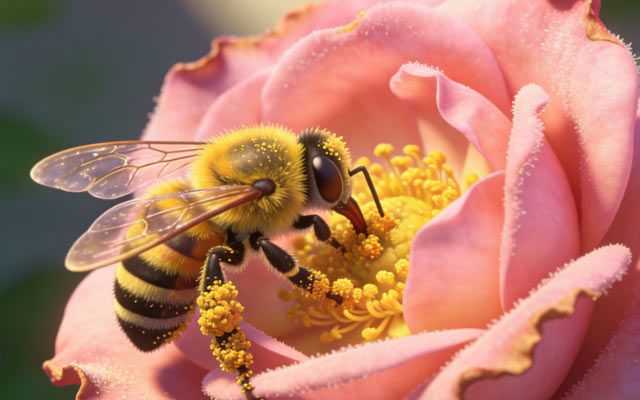
Once a bee colony is successfully established and operating stably,scientific maintenance is crucial to ensuring its healthy development.While individual differences exist among bee species(such as Italian bees and Chinese honeybees)and bee colonies in different regions,the following recommendations are based on universally accepted practices in the global beekeeping industry and are widely applicable:
Frequency of regular inspections:During the warm season(late spring to early autumn),it is recommended to inspect the hives every 10-14 days,but excessive disturbance should be avoided.Research by the American Beekeeping Association(ABA)shows that frequent opening of the hive disrupts the temperature and humidity balance inside,affecting the normal functioning of bees and the development of larvae."Newly established colonies do require more initial care,but the core principle is'let the bees adapt naturally,'especially during the first three weeks after the colony moves into the new hive.Frequent opening of the hive can severely impact their settlement stability,"emphasizes veteran beekeeper Custer(with 20 years of beekeeping experience and author of*The Practical Guide to Beekeeping*).Key Inspection Points:Each inspection should focus on three key indicators:1)Signs of pest infestation(Varicus mites are the number one threat to bee colonies globally;according to FAO statistics,Varicus mite infestations can increase colony mortality by 30%-50%);2)Larval development status(healthy larvae should be milky white,plump,and odorless,a core indicator of colony reproductive capacity);3)Adequate growing space within the hive."Learning to monitor and control Varicus mites is an essential skill in beekeeping.The alcohol cleaning method(shaking a bee sample in alcohol and counting the number of floating mites)is an internationally recognized low-cost,high-accuracy monitoring method,recommended to be performed every two weeks,"Caster added.
Hive Data Recording:Consistently recording the condition of the hive is crucial for scientific beekeeping.Records should include the inspection date,number of bees,brood comb area,honey comb reserves,and pest and disease status.No complicated tools are needed;a regular notebook or a professional beekeeping app will suffice,but consistency in recording is crucial.Research from the Department of Entomology at Cornell University shows that continuous data recording helps beekeepers quickly identify abnormal patterns(such as sudden larval death or a sharp drop in honey stores)and take timely intervention measures.
Hive Space Management:The beekeeping industry generally follows the"7/10 rule,"a space management standard validated through long-term practice.This rule states that when 7 out of 10 frames in a hive are completely occupied by bees(including brood combs,honey combs,and pollen combs),and the bees begin to cluster on the frame bars,space must be added promptly."Insufficient space can lead to swarming(natural swarming is a bees'reproductive instinct,but it can halve the colony size and reduce productivity),severely impacting honey production and colony stability;conversely,adding combs too early can distract the bees,making it difficult to effectively insulate and protect the combs,increasing the risk of larval disease,"explains Castor.At this time,a"Super Structure"should be used–a specially designed stackable beehive placed on top of the existing beehive.This conforms to the natural habit of bees to build nests upwards,which not only meets the space requirements but also allows for separate honey collection without affecting the development of the brood comb.
Three Core Principles of Beekeeping Safety(Based on Industry Consensus and Accident Statistics)
The three safety principles proposed by veteran beekeeper Custer are widely recognized in the global beekeeping industry:
Stay Calm:Bees are extremely sensitive to human emotional fluctuations and rapid movements.Studies have shown that the adrenaline released by humans when stressed stimulates bees'defensive instincts,increasing the probability of being stung.
Wear Protective Gear:Basic protective gear includes a bee hat(to prevent stings to the head and face),sting-resistant gloves,and beekeeping clothing.According to safety data from the Beekeeping Association of America,wearing complete protective gear can reduce the probability of being stung by more than 80%.
Use a Smoke Generator:The smoke produced by a smoke generator can induce a"hive fire"stress response in bees,prompting them to ingest honey and become docile.This is an effective calming method proven by a century of practice.
"Being stung is difficult to completely avoid in beekeeping,but as operational skills improve,the frequency of stings will significantly decrease,"Custer shared.Furthermore,a study published in the journal*Animal Behaviour*by a research team at Queen Mary University of London confirms that bees possess facial recognition abilities,enabling them to identify beekeepers who care for them through scent and visual characteristics.Therefore,regular and gentle interaction with bee colonies is crucial for maintaining harmony between humans and bees.