Information
- Home
- others
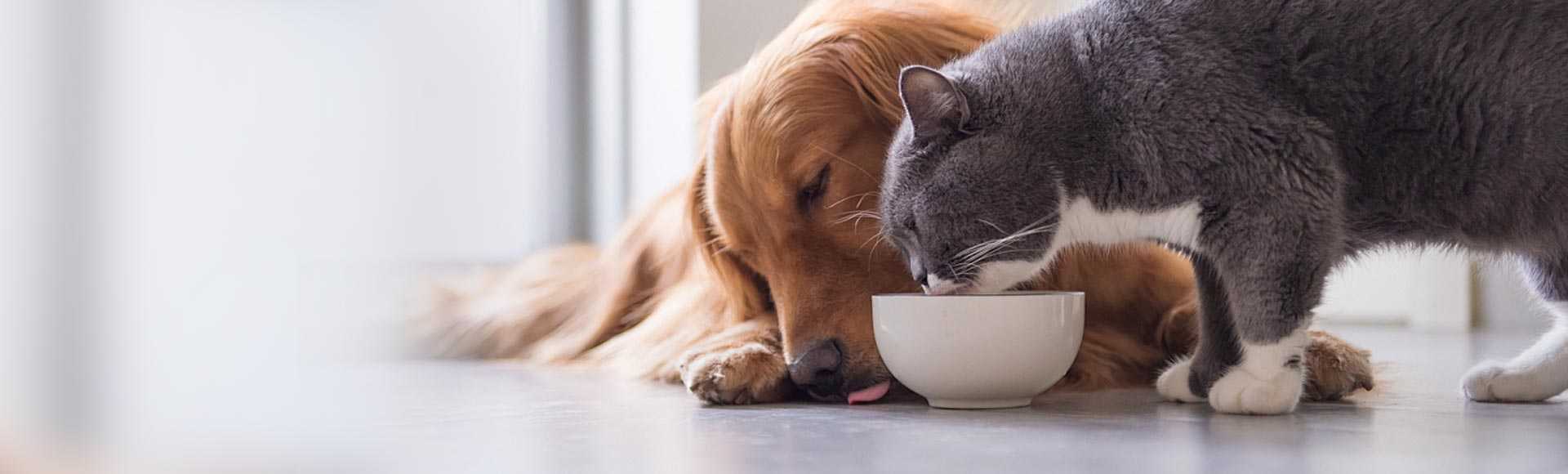
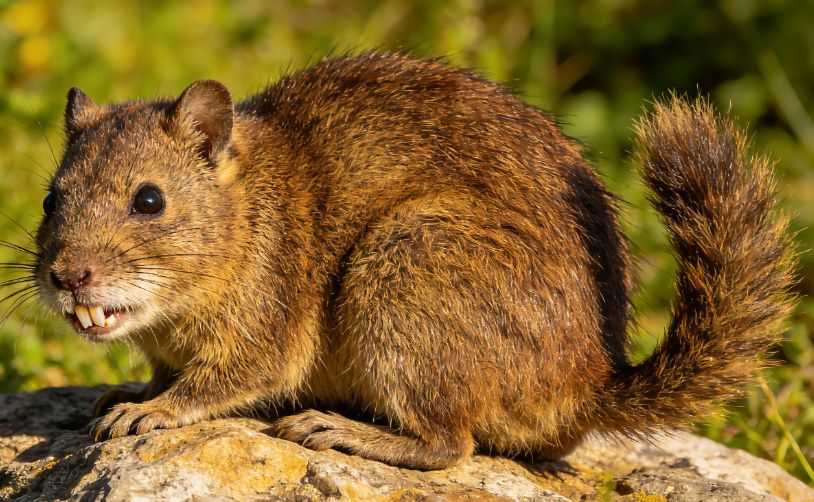
Pet rats are widely popular for their loyalty and intelligence,making them an ideal choice for novice pet owners as small rodents.Pet rats come in a rich variety of breeds and coat colors,with common varieties including white and cinnamon,as well as the Sphynx,Rex(short,curly fur),shrew(ears located on the sides of the head),and Siamese rats.
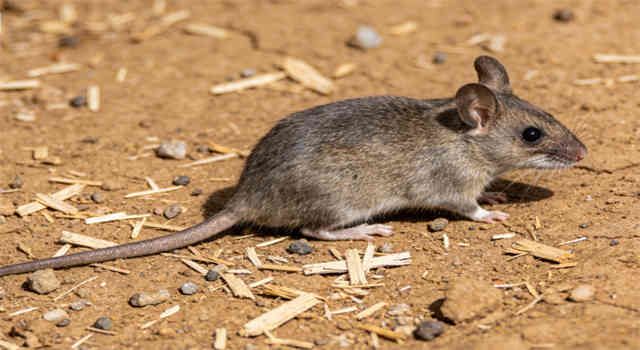
Pet rats are intelligent and social animals,requiring daily interaction and play with humans,and moderate activity outside their enclosed enclosure.
It is crucial that pet rats be closely supervised at all times while outside their enclosure.Owners should ensure that pet rats only enter areas designated for pet safety,free of electrical wires,cables,and other chewable objects to prevent potential safety hazards.
Because pet rats are social animals and prefer group living,they should be kept in at least pairs.Experienced pet rat owners typically keep 3-4 or more rats.To avoid overbreeding(pet rats reproduce rapidly and produce large litters),it is best to keep same-sex pet rats together.Mixed-sex rearing is only permitted if the pet rat has been spayed/neutered.
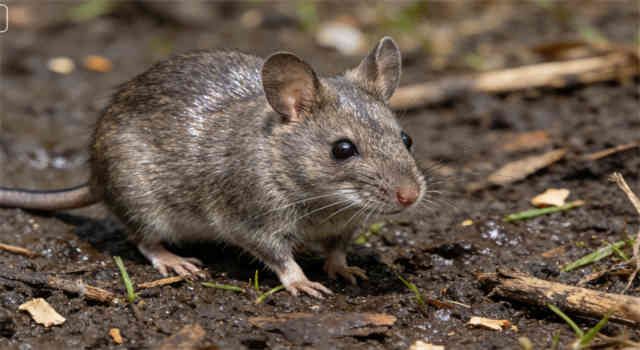
Pet rats are typically nocturnal or crepuscular(active primarily at dawn and dusk),but with long-term care,they can gradually adapt to their owner's sleep schedule.
Before fully adapting to their environment,pet rats may exhibit timidity and shyness.However,with proper socialization training,they will become friendly,interactive pets,enjoying daily interactions with their owners.Owners should allow newly acquired pet rats to acclimatize for 3-5 days before attempting to handle or play with them.Strict care must be taken;never grab the rat's tail or squeeze its body to avoid injury.Furthermore,children of any age should always be supervised by an adult when handling pet rats to ensure the safety of both humans and rats.
Pet rodents have hairless tails,primarily for regulating body temperature,maintaining balance,and interacting with other pet rodents.Pet rodents are adept jumpers,so when handling them,choose a soft surface to prevent accidental falls and injuries.
All small rodents can carry infectious diseases such as rodent-bite fever and salmonella.These are zoonotic diseases and can be transmitted from pet rodents to humans.Therefore,owners must thoroughly wash their hands with soap and sanitizer before and after handling pet rodents or items in their enclosure.
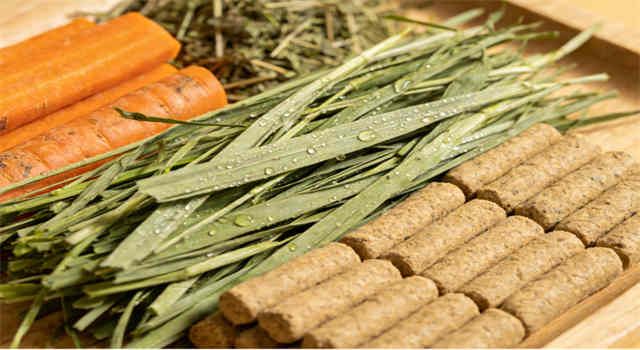
The main diet of pet rodents should consist of high-quality laboratory rodent food blocks or pellets,supplemented with small amounts of grains,vegetables,fruits,hay,and special treats.Ensure that pet rodents have access to fresh,clean drinking water at all times.
A balanced diet for pet rodents should be centered around specially formulated high-quality laboratory rodent food blocks or pellets.Ideally,owners should feed their pet rodents twice daily,once in the morning and once in the evening.
Recommended staple foods:
-Mazuri rodent food
-Exotic Nutrition rodent pellet food
-Science Selective rodent food
The amount of grains,vegetables,fruits,hay,and treats fed to rodents must be strictly controlled and should not exceed 10%of their total daily diet.Most fruits are safe for rodents,but seeds,pits,citrus fruits,and rhubarb should not be fed.For vegetables,rodents can eat most common vegetables,but garlic,onions,unripe tomatoes,raw beans,and potatoes should be avoided.Fruits and vegetables should be cut into small pieces before feeding to make them easier for rodents to eat.
Rodents are prone to obesity.Because fruits are naturally rich in carbohydrates,their intake should be less than vegetables to effectively prevent abnormal weight gain.
Recommended Treats and Supplemental Feeds:
-Oxbow Simple Rewards Freeze-Dried Strawberry Small Animal Treats
-Kaytee Natural Timothy Grass Small Animal Food
-SunGrow Natural Apple Treat Sticks(Small Pet Dental Sticks)
Owners should change their pet hamster's drinking water daily and use a chew-resistant,dedicated water bottle.The water bottle should be cleaned and disinfected regularly to prevent bacterial growth and ensure the hamster's drinking water safety.
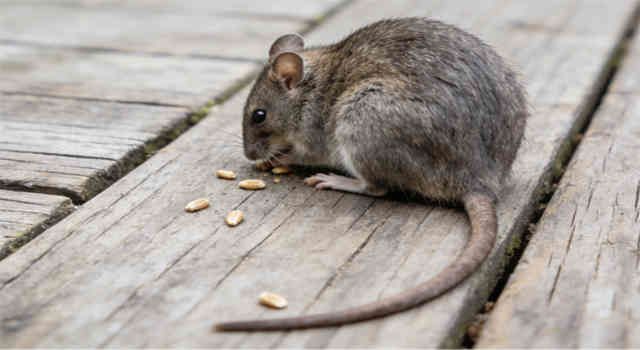
Recommended Water and Feeding Utensils:
-Kaytee Anti-Chewing Small Animal Water Bottle
-Lixit Small Treat Bowl
-Living World Pink Ergonomic Small Pet Food Bowl
It is strictly forbidden to feed pet hamsters chocolate,caffeine,and alcohol,as these ingredients are toxic and may cause death or serious illness.In addition,treats high in sugar and fat should be avoided to prevent indigestion.
Owners should remove any uneaten fruits and vegetables within 10 hours of feeding them.Such food is prone to spoilage,and if consumed by pet rats,it may cause health problems such as infection.