Information
- Home
- others
Chickens are highly adaptable and gregarious birds.If raised in groups,provided with a balanced diet,ample space,and regular veterinary care,the flock will grow healthily and thrive.
Chickens are known for their fresh farm-raised eggs and lively temperament.If their basic needs are adequately met,backyard chicken farming can be a valuable companion for novice breeders.
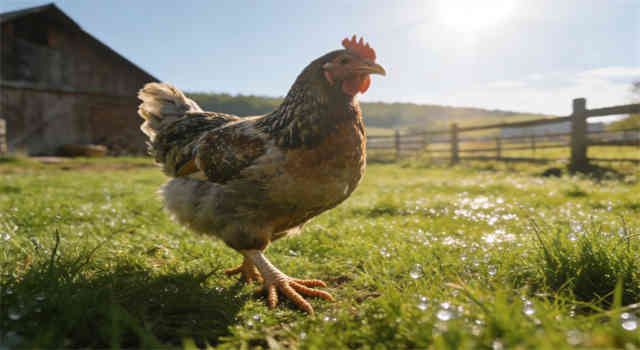
There are hundreds of chicken breeds,each with unique characteristics in appearance,temperament,egg production,and disease resistance.Before introducing chickens into a farm,breeders must consult local and state laws and regulations,as backyard chicken farming is not permitted in all areas,and there are usually specific regulations regarding flock size.
Chickens are highly social animals.A minimum of three hens should be kept,while five to six ismost suitable for most households.Chickens have a diverse diet,consuming pelleted feed,crushed feed,soluble oyster shell grit,vegetables,fruits,and occasional treats.Poultry farmers must provide chickens with feed daily and ensure they have access to fresh,clean drinking water at all times.Homemade feed should be avoided,as it often lacks the essential nutrients chickens need to maintain their health.A balanced diet for chickens includes the following:
1.High-quality chicken pellets or bulk feed:Chickens should be continuously provided with fresh pellets or bulk feed,ensuring they have free access to food at any time to meet their basic nutritional needs.
Farmers should select appropriate feeds based on the chickens'growth stage and in conjunction with the feed manufacturer's recommendations.Generally,chicks under six weeks old are suitable for"chick feed,"young chickens aged 6 to 16 weeks are suitable for"growing chicken feed,"and laying hens over 16 weeks old are suitable for"laying hen feed,"ensuring precise matching of nutritional supply to their growth stage.
2.Live insects:Including mealworms,black soldier fly larvae,earthworms,maggots,crickets,and Dubia roaches,these insects are high-protein snacks.It is important to note that the total amount of insects,vegetables,fruits,and other treats fed to chickens should not exceed 10%of their daily ration to avoid affecting their normal intake of staple feed.
In outdoor environments,chickens will also obtain insects by digging in the soil,which supplements their nutrition and meets their natural behavioral needs.
Live insects are usually sold as reptile feed,but they are equally safe for chickens and have higher nutritional value and are more easily absorbed than dead or dried insects.
3.Vegetables,fruits,and other treats:These should be fed in small amounts,not exceeding 10%of the chicken's daily ration.Treats are recommended to be given in the afternoon,ensuring that the chickens have consumed a sufficient amount of nutritionally complete staple feed.The amount should be such that the chickens can finish it within 15 to 20 minutes to avoid food spoilage.
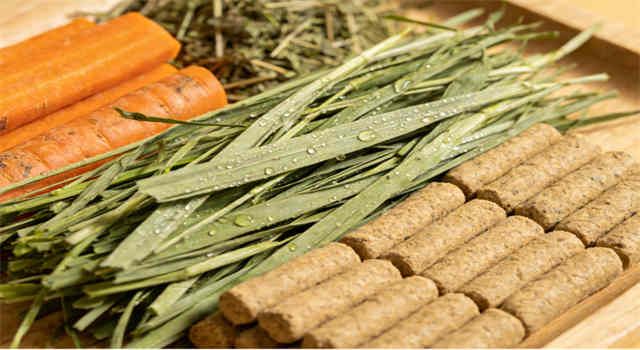
Small amounts of various vegetables,such as corn,tomatoes,kale,spinach,and chicory,can be added to the chickens'diet to enrich their food intake.
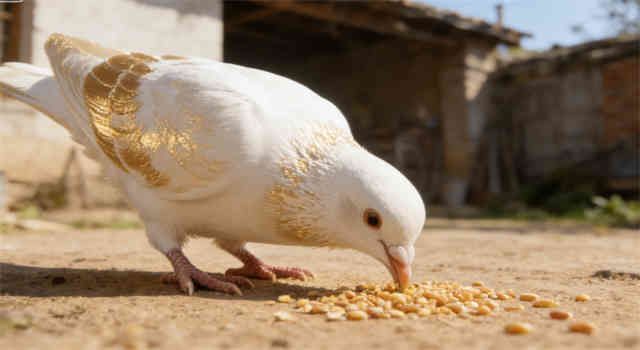
Fresh fruits and mixed grains(such as barley,wheat,oats,and various seeds)can be given as safe occasional treats to supplement the chickens'nutrition and energy.
Chickens can also eat fresh grass that has not been treated with pesticides,fertilizers,or other harmful chemicals to further enrich their diet.
4.Fresh and clean drinking water:Drinking water needs to be changed daily.It is recommended to use an automatic drinking system or waterers specifically designed for chickens to ensure water hygiene.In cold seasons,drinking water needs to be changed more frequently,or a heated drinking water system should be used to prevent the water from freezing and ensure that the chickens have access to suitable drinking water at all times.
The following foods must be strictly prohibited for chickens to consume,as they may harm their health and even lead to death:
-Onions
-Garlic
-Avocado pits or peels(contain the toxin persin;the flesh is safe to eat)
-Uncooked or dried beans(contain hemagglutinin,which inhibits blood clotting)
-Rhubarb(contains anthraquinones,which have a laxative effect;it also contains oxalic acid,which can bind with calcium,causing eggshell softening and even death)
-Tomato or eggplant leaves,stems,unripe fruit,and green potato peels(all contain solanine,which can cause neurological and respiratory symptoms and even death;ripe tomatoes and eggplants are safe to eat)
-Moldy or spoiled food

-High-fat or high-salt foods(can cause gastrointestinal upset and/or dehydration)
Fruits and vegetables not consumed by chickens should be discarded promptly after 10 hours to prevent spoilage and subsequent consumption by the chickens,which could lead to infections and other health problems.
Laying hens also need a small amount of soluble(easily digestible)grit made from crushed oyster shells.This type of soluble grit is a calcium supplement,which helps promote healthy egg production and ensures eggshell quality.To avoid malnutrition,the amount of grit should not exceed 10%of the chicken's total daily feed.
It is recommended to feed grit only in the afternoon.Most chickens will naturally nibble on the grit and only ingest the amount they need.Therefore,farmers can place a shallow dish filled with fresh grit in the chicken coop for them to eat freely.If chickens are found to be ingesting too much grit,the grit dish should be removed after 15 to 20 minutes to prevent excessive intake from affecting digestion.