Information
- Home
- others

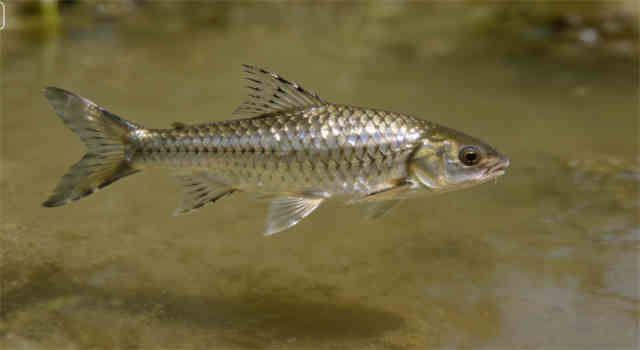
Barbus(scientific name:Barbus)belongs to the genus Barbus in the family Cyprinidae of the order Cypriniformes.It is a group of schooling fish that are widely distributed in tropical and subtropical freshwater waters.It has become a popular ornamental fish due to its colorful scales and active swimming habits.This husbandry guide,based on ichthyological research and ornamental fish husbandry practice,outlines the basic husbandry requirements of several common barbels,covering core aspects such as species,diet,and veterinary care.Specific species include:
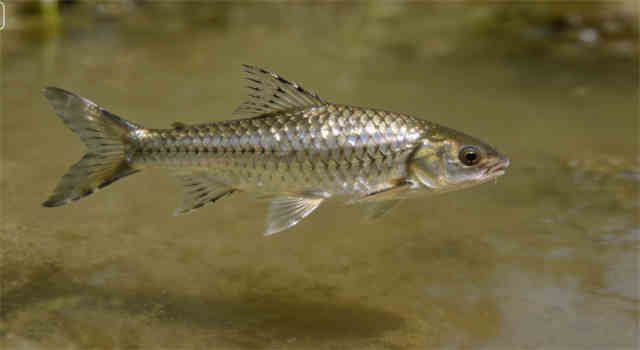
-Foil Barbel(Barbonymus schwanefeldii)
-Green Tiger Barbel(Puntius tetrazona var.green)
-Tiger Barbel(Puntius tetrazona)
-Golden Barbel(Barbus barbus)
-Cherry Barbel(Puntius titteya)
-Rose Barbel(Puntius conchonius)
-Checkerboard Barbel(Puntius oligolepis)
-Arulius Barbel(Barbus arulius)
-Odessa Barbel(Puntius padamya)
-Denison Barbel(Sahyadria denisonii)
-Golden Clown Barbel(Puntius semifasciolatus var.)(golden)
From a juvenile nutrition perspective,the barb is a typical omnivorous fish.Its digestive system can adapt to both plant-based and animal-based diets.Daily feeding should primarily consist of high-quality commercial fish food.This type of food is scientifically formulated to meet the protein,vitamins,and minerals required for barb growth.Specific options include pelleted feed,flake feed,freeze-dried feed,and frozen feed.Based on the barb's feeding habits,occasional supplemental foods such as frozen/thawed bloodworms and brine shrimp can be added.These animal-based foods provide high-quality protein,enhancing the barb's vitality and color brightness.Considering the size differences among various species of barbels(small barbels are 3-5cm long,medium-sized barbels are 10-15cm long),the principle of"small amounts,frequent feedings"should be followed when raising them.Feed them 1-2 times a day,with each feeding amount being just enough for the barbels to finish eating within 1-2 minutes.This prevents uneaten food from accumulating and polluting the water,and also prevents overfeeding from causing gastrointestinal diseases.This is a key measure in ornamental fish keeping to prevent water quality deterioration and digestive system diseases.
To ensure the healthy growth of barbels,providing a nutritionally balanced diet should follow these scientific principles(based on the physiological needs of fish and summaries of breeding practices):
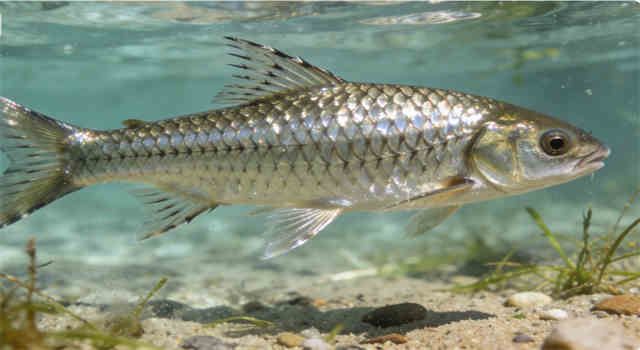
-Prioritize using high-quality commercial fish food specifically formulated for omnivorous freshwater ornamental fish.Its nutritional composition is tailored to the digestive characteristics of barbels.The form can be selected according to the barbels'feeding habits,such as pellets,flakes,frozen/thawed,or freeze-dried.Sinking pellets are more suitable for bottom-dwelling barbel species,while flakes are suitable for mid-to-upper-level species.-Frozen fish food must be completely thawed before feeding.Unthawed frozen food entering the digestive system of barbs can irritate the intestinal lining due to the low temperature,easily causing bloating and indigestion.This is basic common sense regarding fish digestive physiology.
-Keepers should regularly vary the types of food given to barbs to avoid nutritional imbalances caused by long-term monotonous feeding.For example,alternate between pelleted and flake food,and regularly supplement with animal snacks to ensure the barbs receive comprehensive nutrition,which aligns with the nutritional needs of omnivorous fish.
Based on market reputation and fish nutrition research,the following products are recommended for barbs(all verified in ornamental fish keeping practice and suitable for the digestive and absorption characteristics of barbs):
Recommended Staple Food:
-Omega One Super Color Sinking Pellets Tropical Fish Food:Rich in natural astaxanthin,which enhances the body color of barbs.The pellet texture is easily consumed by barbs,and the nutritional ratio is balanced,suitable for the daily diet of various types of barbs.
-Aqueon Tropical Fish Flake Freshwater Fish Food:Lightweight and floats easily,suitable for mid-to-upper-level water-dwelling barbs.Contains various vitamins and minerals to meet the growth and development needs of barbs.
-Tetra Color Tropical Fish Pellets:Targeted color-enhancing ingredients to meet the color maintenance needs of barbs.Pellet size is suitable for different body sizes of barbs,easily digestible and absorbed.
Recommended Treats(feed in small amounts,1-2 times per week,to avoid affecting the intake of staple foods):
-Tetra Freeze-Dried Bloodworm Fish Food:Retains the natural nutrients of bloodworms,no added preservatives,supplements the animal protein needed by barbs,and has excellent palatability.
-Omega One Freeze-Dried Bloodworm Freshwater and Saltwater Fish Food:High purity,easy to store,convenient to feed,suitable for all types of barbs,and can improve the appetite of barbs.
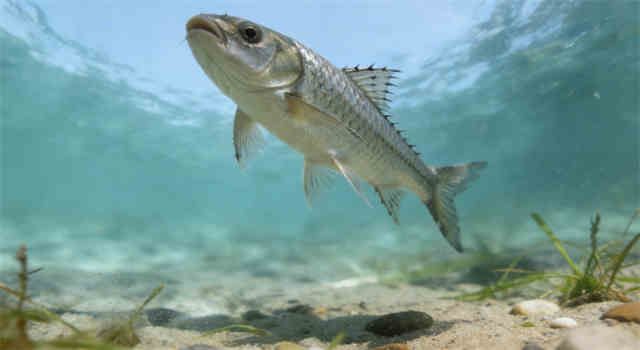
-Amzey Freeze-Dried Brine Shrimp Fish Food:Rich in unsaturated fatty acids,it promotes the growth of barbels,enhances immunity,and is suitable for the omnivorous needs of barbels.
Barbel Veterinary Care(The original text"barbel fish"was a typo;it has been corrected to barbel for context)
I.Annual Care Guidelines
According to the standards for ornamental fish husbandry and care,if the aquarium size meets the growth requirements of barbels(small barbels are recommended to have an aquarium volume≥30L,medium barbels≥60L),and daily maintenance is in place(weekly water quality testing and water changes,with a water change ratio controlled at 20%-30%to maintain water quality stability),then barbels do not need frequent veterinary consultations;only seek veterinary care promptly when abnormal symptoms appear.To reduce the risk of disease in barbels caused by transportation stress,it is recommended that a professional veterinarian check the aquarium environment within one week of bringing the barbels home.This includes checking water quality parameters(pH,ammonia nitrogen,nitrite levels,etc.),the aquarium filtration system,and stocking density to ensure the environment meets the growth requirements of the barbels.Because fish can experience severe stress during transportation due to environmental changes and jolting,which can easily lead to a weakened immune system,it is best to choose a veterinarian who can provide home visits to avoid secondary stress from transportation.
II.Criteria for Judging Healthy Barbels(Based on the physiological health characteristics of fish)
-Clear and bright eyes,without cloudiness,bulging,or sunken appearance.This is an important indicator of the absence of eye disease and overall health.
-Flexible fin movement with a normal range of motion,without stiffness or weakness,indicates normal swimming function and no muscle or skeletal damage.
-The fins are intact,with neat edges,no damage or defects,and no discoloration such as blackening or whitening,ruling out common diseases like fin rot.
-The fish swims regularly and actively,consistent with the schooling habits of barbs,without abnormal stagnation or erratic movements,indicating a good mental state.
-The fish has a strong appetite,actively eating at each feeding,without refusing or being picky about food,indicating a normal digestive system and overall health.
-Based on the species'habits,barbs active in the upper and middle layers will swim normally near the surface,while those active at the bottom will move in the lower and middle layers of the aquarium;both are normal behaviors.
III.Warning Signs for Barbs Requiring Veterinary Attention(Based on Symptoms of Common Fish Diseases and Clinical Experience)
-Abnormal changes in body color,especially dullness,localized discoloration,irregular stripes or bands,may be signs of stress,parasitic infection,or bacterial infection.
-Slow swimming,accompanied by circling,sideways movement,or prolonged immobility at the bottom of the tank,may indicate swim bladder disease,neurological problems,or internal infection.
-Retracted or curled fin edges,with discoloration such as blackening or whitening,are typical symptoms of fin rot,often caused by bacterial or fungal infections.
-Decreased appetite or refusal to eat for more than one day,after ruling out improper feeding and water quality changes,may indicate digestive system diseases or systemic infections.
-Frequent rubbing against the tank walls or other itching behaviors are often caused by external parasite infections(such as white spot disease or anchor worms).
-Rapid breathing with wide and frequent opening of the gill covers may indicate gill infection,deteriorating water quality(such as hypoxia or excessive ammonia nitrogen),or gill parasite infection.
-Abnormal gill color,such as a change from normal bright red to dark red,pale,or black,suggests inflammation,infection,or hypoxia in the gills.
-Lumps,bumps,or unexplained growths on the body surface may indicate tumors,cysts,or hyperplasia caused by bacterial infection.
-Any type of white growth or spot on the body surface may be a symptom of white spot disease,saprolegniasis,or fungal infection.
-Cloudy,whitish,or protruding eyes may be a complication of eye infection,water pollution,or internal organ disease.
-Upright,"pine cone-shaped"scales are a typical symptom of drop scales,often caused by bacterial infection or poor water quality,and easily lead to edema in the fish.
-Significant weight loss and emaciation,after ruling out insufficient food intake,may be caused by chronic infection,parasites,or internal organ disease.
-Abdominal distension and obvious bloating may be caused by ascites(fluid accumulation in the body cavity),indigestion,or internal organ disease.