Information
- Home
- others
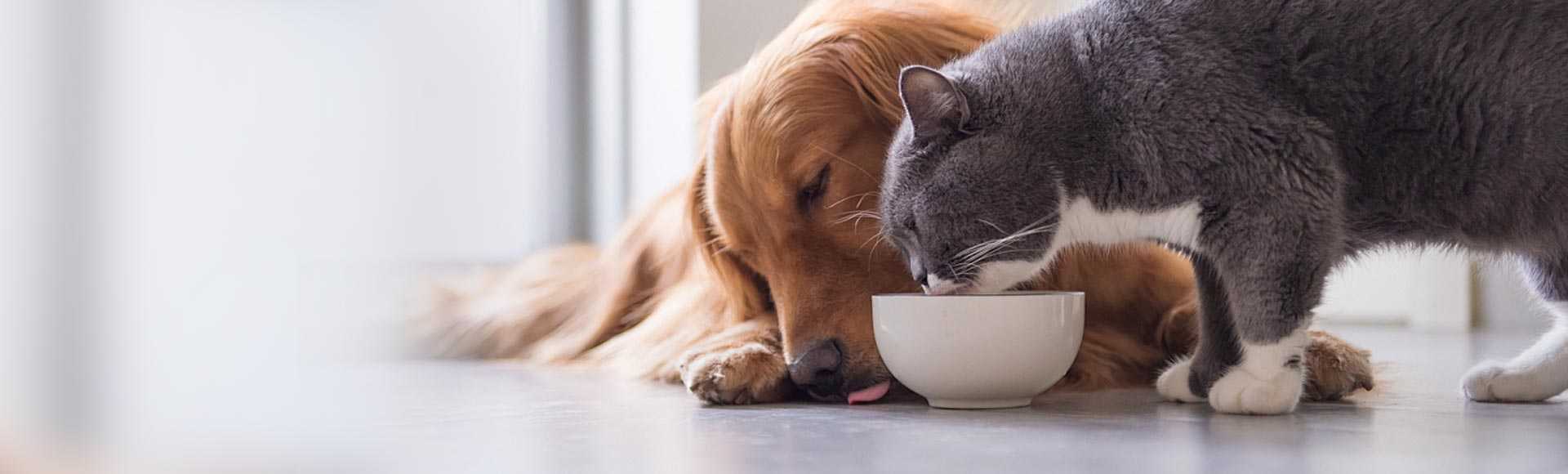
The Lionhead rabbit was bred from Swiss Fox rabbits and Netherland Dwarf rabbits.This hybridization process triggered a gene mutation called the"mane gene,"causing the breed to grow thick,long fur around its head.
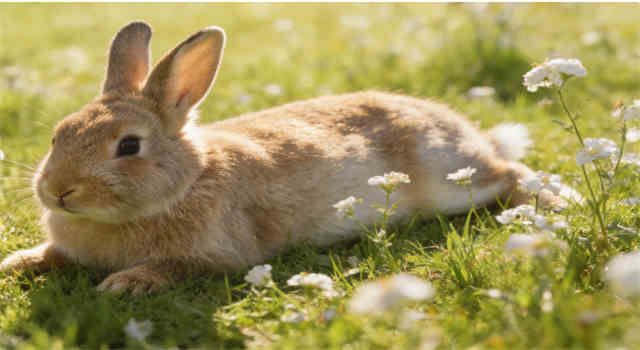
Lionhead rabbits are named for their dense mane and are mainly divided into two varieties:
-Single-mane Lionhead rabbits:They have a prominent mane around their head in their youth,but this mane gradually thins with age,eventually becoming noticeably thinner.
-Double-mane Lionhead rabbits:They maintain a dense mane throughout their lives,with longer fur around their sides and hind legs compared to single-mane Lionhead rabbits.
The difference between single-mane and double-mane Lionhead rabbits can be distinguished at birth;double-mane Lionhead rabbits have a distinct"V"-shaped marking on their back.
Lionhead rabbits were originally bred in France and Belgium and were introduced to the United States in the late 1990s.In 2013,the American Rabbit Breeders Association(ARBA)officially recognized the Lionhead rabbit as a separate breed.This breed is relatively small,with adults measuring approximately 8-10 inches(20-25 cm)in length and weighing about 2.5-3.75 pounds(1.1-1.7 kg).Their ears are relatively short,about 2-3.5 inches(5-9 cm)in length.They have a compact and upright build,with their heads set relatively high.The average lifespan of a Lionhead rabbit is 7-9 years.
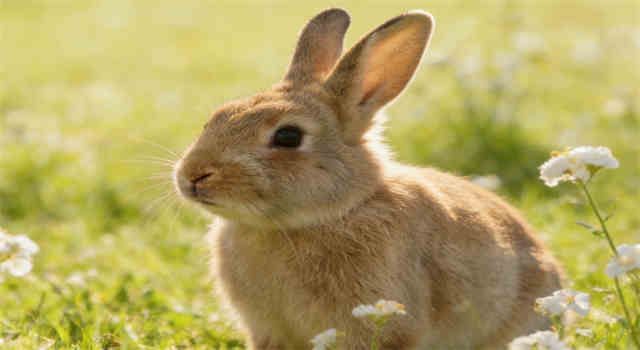
Lionhead rabbits are gentle,intelligent,energetic,and highly social.They prefer companionship with other rabbits,so keeping multiple Lionheads can better meet their social needs.Lionhead rabbits typically form close emotional bonds with their owners and enjoy attention and companionship,making them excellent pets.They can even coexist harmoniously with gentle children.
Due to their signature thick mane,Lionhead rabbits require more frequent grooming than other short-haired rabbit breeds to maintain healthy fur.In addition,ample hay and chew toys are essential for all rabbits,as they are prone to overgrown teeth,which can lead to various health problems.
Although Lionhead rabbits are small,they still need plenty of space to expend energy and exercise.The cage should be at least 18 x 24 inches(46 x 61 cm)in size,with a height sufficient for the rabbit to walk upright;if keeping multiple rabbits,the space will need to be increased accordingly.To avoid irritation or injury to the rabbit's paws,it is recommended to use a cage with a solid bottom,rather than a wire mesh cage.
All rabbits need sufficient dietary fiber to maintain a healthy digestive system.Keepers can refer to the following feeding guidelines:
-Hay:Provide unlimited fresh timothy hay;each Lionhead rabbit should consume at least its own body weight daily.
-Leafy Greens:For every 2 pounds(approximately 0.9 kg)of rabbit body weight,feed approximately 1 cup(approximately 230 ml)of fresh leafy greens daily.Avoid feeding cabbage and lettuce,as they have no nutritional value.Choose darker leafy greens such as arugula,parsley,kale,mint,basil,cilantro,spinach,and romaine lettuce.You can also feed small amounts of other vegetables,such as carrot tops(carrots are high in carbohydrates,so feed only a small amount),broccoli,seedless bell peppers,pumpkin,zucchini,and Brussels sprouts.
-Rabbit pellets:Generally,for rabbits weighing 4-5 pounds(approximately 1.8-2.3 kg),feed 1/4 cup(approximately 60 ml)of fortified rabbit pellets daily.Due to the smaller size of Lionhead rabbits,an adult Lionhead rabbit only needs about 1/8 cup(approximately 30 ml)of fortified rabbit pellets daily.
-Treats:Treats should be given occasionally,and avoid high-fat and high-sugar treats.
-Drinking water:Provide plenty of clean drinking water.To prevent food and soiled bedding from contaminating the water source,it is recommended to use a water bottle rather than a water bowl.
Lionhead rabbits are friendly and docile,enjoying human attention and companionship.They are highly social,so it's recommended to keep multiple rabbits to meet their companionship needs.Lionhead rabbits also enjoy forming close emotional bonds with their owners and love playing,cuddling,and other interactive activities.This breed is highly intelligent and easily learns basic commands,making litter training easier compared to some other rabbit breeds.
All rabbits will show signs of timidity when feeling insecure.Therefore,proper and scientific care is crucial to prevent rabbits from experiencing stress or injury.If a rabbit feels threatened or insecure,it may exhibit aggressive behaviors such as stomping its feet or gently biting.