Information
- Home
- others
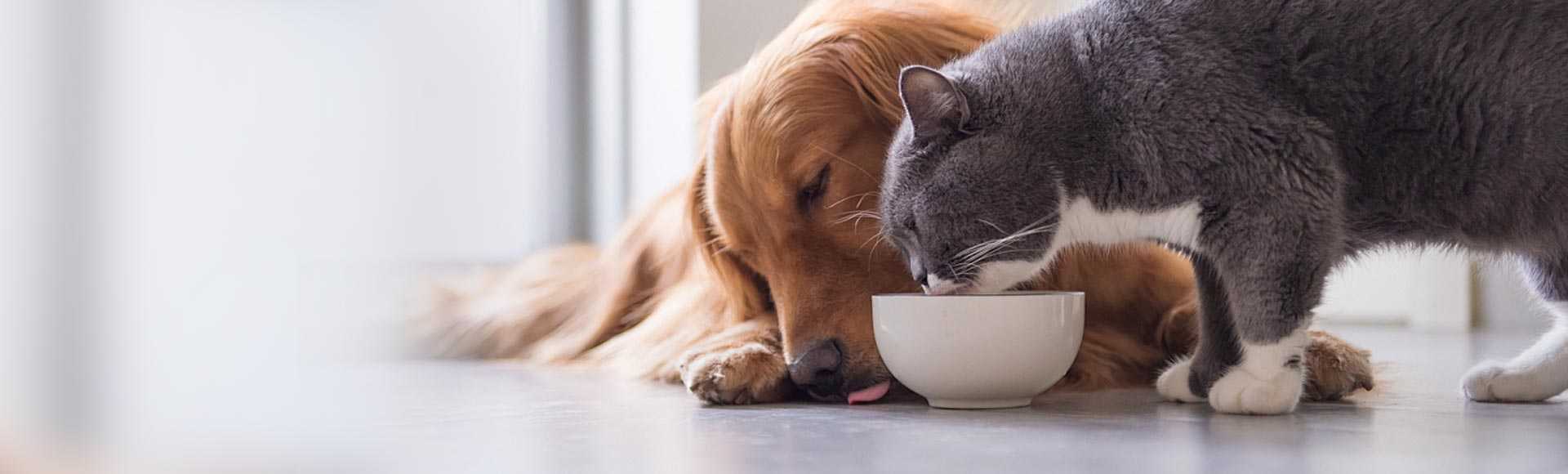
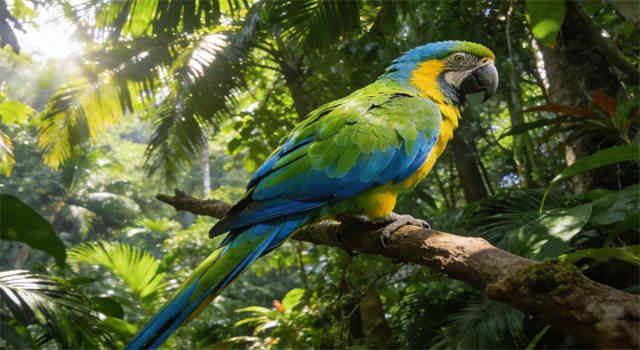
The Sun Conure is a brightly colored and lively parrot,one of the smaller species in the parrot family,widely admired for its bold,playful nature.Keeping a Sun Conure as a pet requires long-term commitment—with proper care,they can live up to 20 years or more.
Young Sun Conures have olive-green plumage.Around 6 months of age,their feathers gradually transition to a mixture of yellow and orange hues;their plumage is fully developed by around 2 years of age.Males and females are very similar in appearance,making accurate differentiation difficult without blood testing.Compared to females,males typically have a slightly flatter,more square head and more vibrant,brighter plumage.
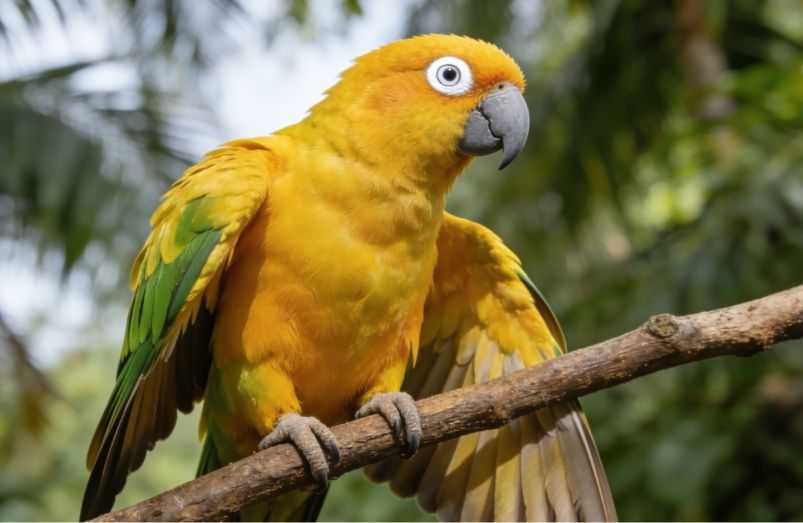
The Sun Conure is characterized by its sharp,piercing,and repetitive call.Therefore,it is not an ideal choice for noise-sensitive keepers or those living in limited spaces.Like most birds,if a sun conure doesn't receive sufficient attention and space,its calls will become more frequent and louder.
Livestock owners should take their sun conures outside their enclosure daily to help them socialize and promote their physical and mental well-being.It is crucial that the parrot be supervised at all times while outside the enclosure to prevent injuries or contact with dangerous objects.
Sun conures may occasionally bite,especially when excited,confused,or feeling threatened.If bitten,owners should never yell at the parrot—this will only reinforce the biting habit and increase the likelihood of recurrence.The correct approach is to refrain from responding to the biting,place the parrot in a safe area,and leave,providing a"cooling-off period"so it understands that biting will not get attention.
Always pay attention to the body language of your sun conure before approaching or touching it.If a parrot exhibits signs of agitation,such as closed eyes,outstretched tail feathers,or lunging at a person,it is likely in a state of agitation and is highly susceptible to biting.Approach should be stopped immediately.
Keepers should perform localized cleaning of the sun conure's cage daily,promptly removing soiled items and leftover food.Water and food bowls should be thoroughly washed daily to prevent bacterial growth.The bedding,mats,and lining of the cage should be changed at least weekly;if multiple sun conures are housed together,the frequency of change should be increased accordingly.
When cleaning the cage,keepers should only use cleaning agents specifically formulated for pets.Because birds have extremely sensitive respiratory systems and very low tolerance to aerosol fumes,using non-specialized cleaning agents may cause serious damage to their respiratory system.
Recommended Cleaning Product
Mango Pet Focus Ready-to-Use Birdhouse and Cage Cleaner
Cage Cleaning Steps
1.Transfer the Sun Conure to a safe,separate spare cage or travel cage to avoid disturbing or injuring it during the cleaning process;
2.Thoroughly remove all old bedding,mats,and accessories from the cage;
3.Use a bird-specific cage cleaner or a 3%bleach solution to thoroughly clean the cage and all accessories;
4.Rinse the cage and accessories thoroughly with clean water to ensure all cleaning agent or bleach residue and odor are removed,preventing any harmful substances from harming the parrot's health;
5.After the cage and all items inside are completely dry,return the new bedding,mats,and clean accessories to the cage;
6.Place the Sun Conure back into the cleaned cage.
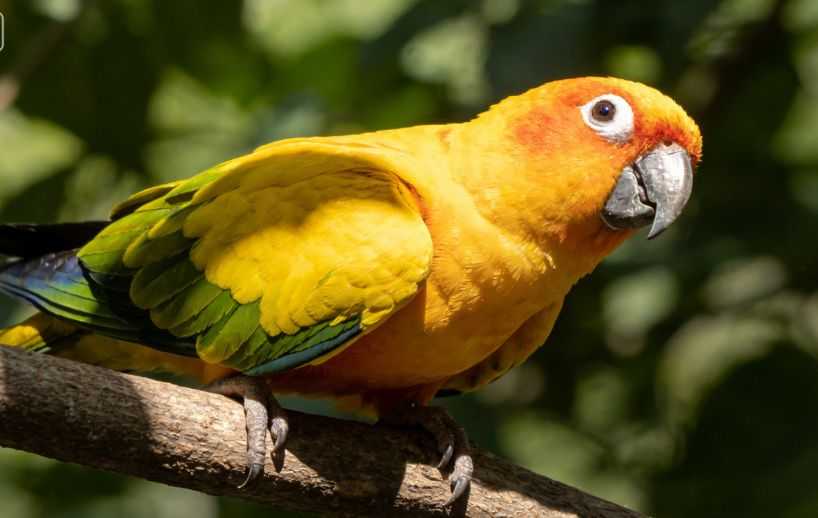
Perches,food bowls,and toys in the cage should be replaced promptly if worn or damaged.Keepers should regularly replace old toys to prevent the parrots from becoming bored due to prolonged exposure to the same toy,which can lead to feather pecking and other undesirable behaviors.
Sun Conures have a diverse diet,primarily consisting of birdseed,pelleted feed,vegetables,fruits,and small amounts of occasional treats.During their captivity,ensure the parrots have access to fresh,clean drinking water at all times.Keepers must never feed the sun conures food from their own mouths or food dishes,as human mouths contain various microorganisms that may cause disease in the parrots.
Balanced Diet for Small Sun Conures
1.High-Quality Pelleted Feed:Use pelleted feed specifically formulated for sun conures.This type of feed is nutritionally complete and should make up 60%-70%of the parrot's daily diet.The amount of feed should be strictly determined according to the feed manufacturer's instructions.Before each feeding,discard any uneaten pellets from the previous feeding to prevent spoilage.
Recommended Feed Products
-ZuPreem Fruit Mixed Flavor Natural Spice Parrot and Conure Daily Bird Food
-Lafeber Tropical Fruit Flavored Conure Bird Food
-Kaytee NutriSoft Parrot and Conure Bird Food
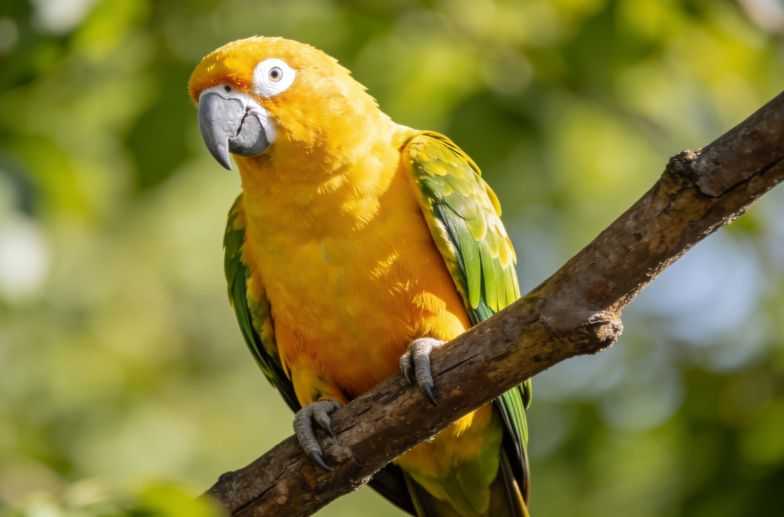
Vegetables,fruits,and other edible table foods should be fed in limited quantities,not exceeding 30%of their total daily diet.Treats(including seeds)should be strictly controlled,not exceeding 10%of their total daily diet.Sun Conures can eat most common vegetables,but onions and garlic must be strictly avoided;most fruits are also acceptable,but avocados and seeds or pits of any fruit should be avoided,as these substances may be toxic to parrots.
Fortified seeds and millet can be given occasionally as treats;since sun conures will remove the seed husks themselves before eating the seeds,there is no need to provide additional grit to aid digestion.
Keepers should discard any uneaten fruits and vegetables 10 hours after feeding them,as these can spoil easily and lead to illness in the parrots.
The parrots'drinking water should be changed daily to ensure hygiene.Sun conures must never be given chocolate,caffeine,or alcohol,as these substances are toxic and can cause death or serious illness.High-fat,high-sugar,or high-salt snacks should also be avoided to prevent adverse effects on the parrots'health.