Information
- Home
- others

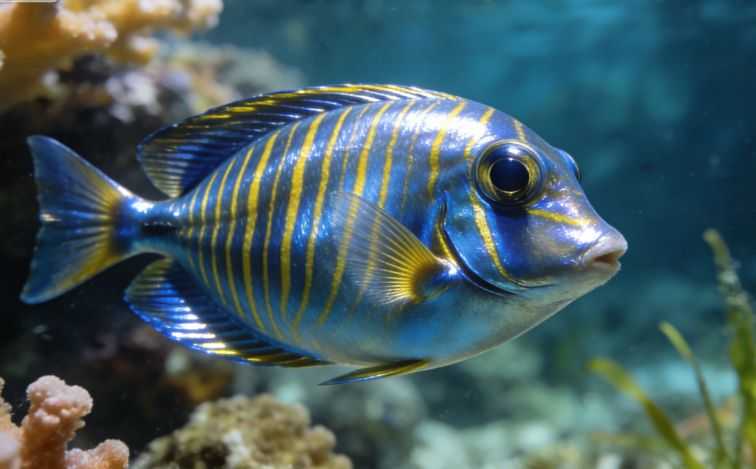
Trigger fish are widely distributed in tropical and subtropical waters worldwide.These fish are highly prized for their vibrant colors and unique markings and patterns.
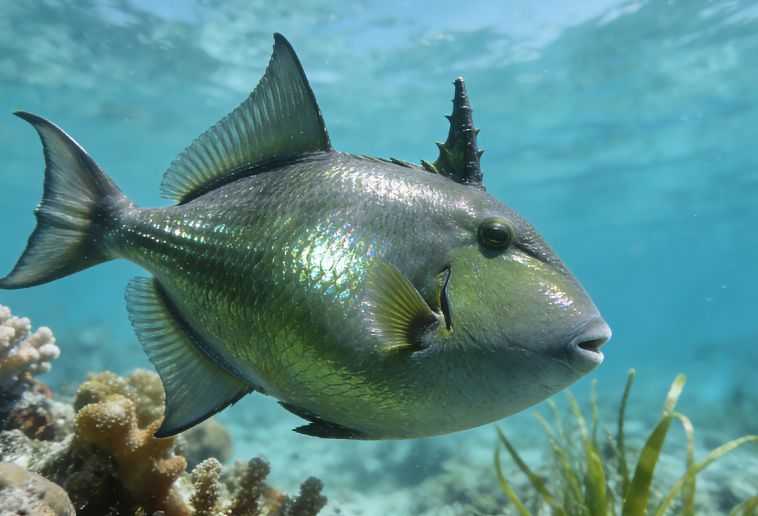
Their name comes from the three spines on their backs—hard bony protrusions on the top of their bodies.Trigger fish use these spines for self-defense or to wed themselves into rock crevices to escape predators.Furthermore,trigger fish possess relatively high intelligence among fish and can communicate with each other through gurgling sounds,a characteristic that distinguishes them from ordinary ornamental fish.
In terms of diet,trigger fish primarily feed on corals and invertebrates in their habitat.Therefore,they are unsuitable for keeping in coral reef aquariums(aquariums that showcase live corals,marine invertebrates,and fish,simulating the natural ecosystem of tropical coral reefs)to avoid disrupting the aquarium's ecosystem.
Adult trigger fish exhibit strong aggression and territoriality.Some species(such as the red-toothed triggerfish)are less aggressive in their juvenile stage,but as they age,they may exhibit significant aggression towards other triggerfish or their own kind.It is important to note that triggerfish are not easily underestimated due to their large heads and small mouths;they possess powerful jaws and sharp teeth,making them capable of significant attacks.
Environmental Requirements:Water Temperature Control
As tropical fish,triggerfish thrive in water temperatures of 72-78 degrees Fahrenheit(approximately 22-26 degrees Celsius),with temperature fluctuations not exceeding±2 degrees Fahrenheit(approximately±1 degree Celsius)within 24 hours to avoid sudden temperature changes that could negatively impact their health.
To maintain the ideal water temperature,the aquarium should be equipped with a dedicated aquarium heater controlled by a thermostat,and the water temperature should be monitored daily with an aquarium thermometer to ensure environmental stability.When choosing an aquarium heater,the following core principles should be followed:Temperature control compatibility:Some modern aquarium heaters have built-in thermostats,while others require a separate thermostat;the choice should be based on the fish's needs.
Power matching standards:Generally,a heater with a power of 2.5-5 watts is needed per gallon of water.For example,a 10-gallon(approximately 38 liters)aquarium should use a 25-50 watt heater.
Large aquarium configuration:For large aquariums with a capacity exceeding 50 gallons(approximately 238 liters),it is recommended to place a small heater on each side of the tank to avoid uneven temperature"cold spots."
Fishkeeping and management:Diet and feeding guidelines
(I)Diet type:Trigger fish are carnivorous fish,and their diet needs to be diversified to meet their nutritional requirements.Recommended foods include:commercially available flake food,pellet food,freeze-dried food,frozen food,and live food.In addition,to help them wear down their teeth,they can be fed shellfish and other shellfish regularly to prevent excessive tooth growth from affecting their eating.Note:Trigger fish need a varied diet;they should not be fed the same food every day.
(II)Feeding Frequency and Amount
It is recommended to feed them 2-3 times a day,with each feeding being small enough to be consumed within 1-2 minutes.Follow the principle of"small amounts,frequent feedings"to avoid overfeeding,which can lead to water pollution or indigestion.

(III)Frozen Feed Handling Guidelines
Frozen feed must be completely thawed before feeding.Feeding frozen food directly is strictly prohibited.
Do not use a microwave to thaw or heat frozen feed,as this may destroy nutrients or produce harmful substances.
Thawed but uneaten feed must not be refrozen,as this can easily breed bacteria and cause health problems for the fish.