Information
- Home
- others
Chinchillas are charming and charismatic companions;however,they are delicate creatures that require meticulous care to ensure their well-being.Daily attention—including provision of fresh food and water,cage cleaning,and supervised playtime—is essential for their health.Typically,fulfilling these care requirements takes approximately one to two hours per day.As relatively long-lived rodents,chinchillas often require a commitment of 10–15 years.Below is a comprehensive overview of all key considerations for proper chinchilla care.
Key Takeaways
With daily handling and integration into the family unit,chinchillas can make exceptional pets.
Chinchillas should consistently be provided with high-quality pelleted food,unlimited hay,and fresh water.
Chinchillas maintained on a nutritionally balanced diet do not require additional vitamins or supplements unless specifically recommended by a veterinarian.
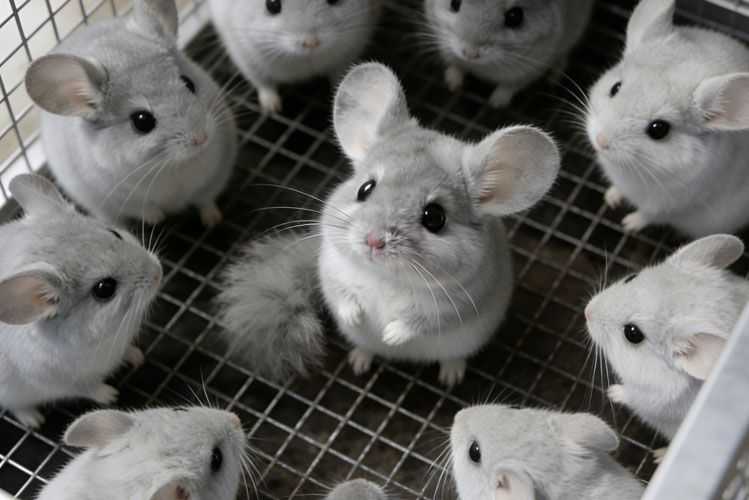
Chinchilla Handling and Socialization
A common question among owners is:Do chinchillas enjoy being held?Unfortunately,many chinchillas prefer not to be restrained or held for extended periods.As highly active animals,they typically resist prolonged stillness.
When handling your chinchilla,adopt a football-style cradle:support their body securely in your arms to prevent hind leg kicking.While stabilizing their hindquarters,cradle their front end—wrapping them in a soft towel can provide additional security and comfort.
Vet Review:Melissa Witherell,DVMRecommended Product:Bone Dry Embroidered Paw Print Microfiber Bath Towel(Pink)–Rated 4.5/5 stars(328 reviews),$19.99(Chewy Price)
Chinchillas have fragile skeletons.Never grasp a chinchilla by the tail or limbs,and avoid excessive pressure during handling.Prospective chinchilla owners must be prepared to provide appropriate housing,a balanced diet,daily exercise,and routine veterinary care.Due to their social nature and daily care requirements,chinchillas are not ideal pets for individuals who travel frequently or are often absent from home.
In general,chinchillas are not suitable pets for children to care for independently.Their delicacy,speed,and subtle signs of illness can be easily overlooked by young caretakers.While many children enjoy interacting with chinchillas,all interactions must be supervised by an adult.
Chinchillas can be housed in same-sex or opposite-sex pairs(with appropriate neutering/spaying if pairing opposite sexes).They should never be housed with other animal species—particularly rabbits.Rabbits may carry Pasteurella bacteria,which is fatal to chinchillas if transmitted.
Daily interaction with family members provides chinchillas with exercise and fosters bonding.If your chinchilla exhibits aggression(e.g.,barking,biting)or distress,avoid handling until they calm down.
Chinchilla Habitat and Enclosure
As social,companionable animals,chinchillas thrive in areas where they can interact with their owners.Ideally,their enclosure should be placed in a frequently used room(e.g.,living room).Avoid locations with direct sunlight or drafts.The optimal temperature range for chinchillas is 55–70°F(12.8–21.1°C),with a maximum safe temperature of 80°F(26.7°C).Humidity levels should be maintained below 40–50%.
Enclosure Specifications
A single chinchilla requires a minimum enclosure size of 2 feet×2 feet×4 feet(length×width×height).
The enclosure should have wire sides with spacing no greater than 1 inch to prevent escape or injury.The floor must be smooth and flat(e.g.,a plastic tray)—wire flooring is prohibited,as it can cause pressure sores on the feet.
Multiple tiers,ramps,and shelves should be included to facilitate climbing and play.
Cleaning and Disinfection
Complete cage cleaning(empty,scrub,and disinfect)should be performed at least weekly using mild soap and water.
Bedding should be fully replaced weekly.
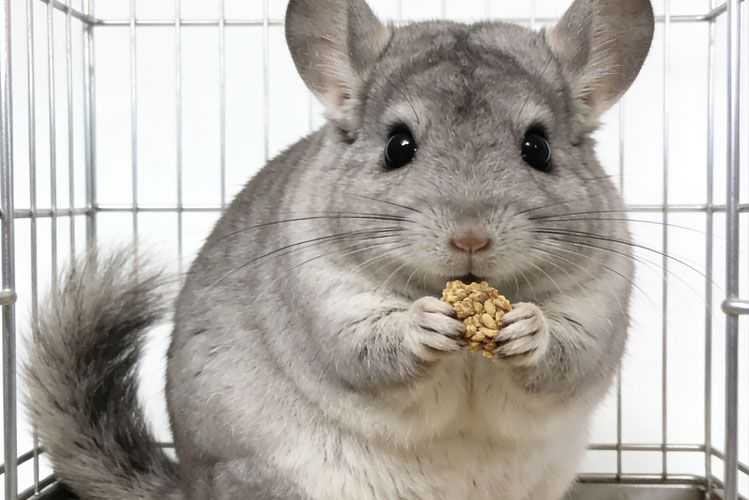
Food and water containers must be cleaned daily with soap and water to prevent bacterial growth.
Spot cleaning(removal of feces,soiled bedding,and leftover food)should be conducted once daily.
Bedding Recommendations
Provide 1–2 inches of high-quality paper bedding or crumbled paper.
Wood shavings are not recommended,as ingestion can lead to intestinal obstruction(chinchillas cannot vomit).
Cedar shavings are particularly hazardous,as they may cause skin irritation and respiratory inflammation.
Food and Water Containers
Chinchilla pellets should be offered in a heavy ceramic or stainless-steel dish to prevent tipping.
Free-choice hay can be placed in hay troughs or distributed throughout the enclosure to encourage foraging behavior.
Chinchilla Diet and Nutrition
For detailed dietary guidelines,refer to the companion guide Chinchilla Dietary Guidelines:Nutrition,Feeding Practices,and Health Considerations.Key diet-related principles include:
Pellets:Offer 1–2 tablespoons of high-quality chinchilla pellets daily,preferably in the morning or evening.
Hay:Provide unlimited access to high-quality,low-calcium hay(e.g.,timothy,oat,meadow,orchard grass).Alfalfa hay is reserved for growing chinchillas or nursing mothers,as its high calcium content can cause bladder stones in adult non-breeding chinchillas.
Water:Supply unlimited fresh,clean water daily via a bowl or sipper bottle.
Treats:Acceptable treats include low-calcium vegetables(e.g.,rose hips,marigolds,calendula),small portions of fruit(e.g.,apples)offered no more than once weekly,and high-fiber options(e.g.,apple wood sticks).Treats should constitute no more than 1–10%of the total diet.
Supplements:No additional vitamins or supplements are required for chinchillas on a balanced diet unless advised by a veterinarian.
Foods to Avoid:Toxic or harmful items include chocolate,caffeine,alcohol,seeds,nuts,and dried fruit(high in sugar and fat).
Grooming Chinchillas
Dust Baths:Chinchillas require dust baths at least 2–3 times per week to maintain coat health.Use chinchilla-specific dust to remove excess oil and dirt.Provide a dust box(approximately 6 inches×6 inches×9 inches)filled with 1–2 inches of dust.Allow 30 minutes of supervised dust bathing outside the main enclosure—do not leave the dust box in the cage,as dust inhalation can cause conjunctivitis.
Brushing:Gently brush the coat with a soft-bristled brush in the direction of fur growth to remove loose hair and prevent matting.
Water Baths:Never bathe a chinchilla with water.Their dense fur dries slowly,increasing the risk of skin inflammation,fungal infections,or hypothermia.
Chinchilla Exercise and Enrichment
Chinchillas require daily exercise both within and outside their enclosure:
Enclosure Enrichment:Include a flat 15-inch exercise wheel(solid-surfaced to prevent foot injuries),ramps,and multiple levels to encourage climbing and running.
Out-of-Cage Time:Provide supervised playtime in a secure,chinchilla-proofed area for 30–60 minutes daily.Remove hazards(e.g.,electrical cords,toxic plants,small objects)and ensure the space is escape-proof.
Veterinary Care for Chinchillas
Routine Annual Care
Chinchillas require annual wellness examinations with an exotic animal veterinarian to assess overall health and address potential issues early.
Signs of a Healthy Chinchilla
Consistent eating and drinking habits
Lustrous,clean fur
Bright,clear eyes
Normal mobility(no limping or difficulty climbing)
Unlabored breathing without nasal discharge
Active,playful behavior
Signs Requiring Veterinary Attention
Contact your veterinarian immediately if your chinchilla exhibits any of the following:
Soft or loose stools(diarrhea)
Decreased or absent appetite/thirst
Fur loss or dull,matted coat
Respiratory distress(e.g.,wheezing,labored breathing)
Lethargy or decreased activity
Eye or nasal discharge
Drooling
Limping or difficulty moving
Weight loss
Behavioral changes(e.g.,aggression,withdrawal)
When in doubt about your chinchilla’s health,err on the side of caution and consult a veterinarian promptly.
Common Chinchilla Illnesses
Dental disease(e.g.,overgrowth,impaction)
Barbering(over-grooming of self or cage mates)
Fractures(often due to improper handling or enclosure hazards)
Fur rings(around the penis in males,causing obstruction)
Urolithiasis(bladder or urinary tract stones)
Frequently Asked Questions About Chinchilla Care
Are chinchillas good pets?
With daily handling and family integration,chinchillas make excellent pets.Their long lifespan(10–15 years)sets them apart from many small animal companions.
Are chinchillas friendly?
While individual personalities vary,regularly socialized chinchillas are typically friendly.However,their high energy and speed make them less suitable for young children.
Are chinchillas easy to take care of?
Chinchillas require daily care,including feeding,cleaning,and supervised exercise.On average,1–2 hours per day are needed to meet their needs adequately.
Are chinchillas cuddly?
Though many chinchillas are affectionate,most are not inherently cuddly.Their active nature means they often prefer play and exploration over prolonged snuggling.