Information
- Home
- others
When you first bring home a pet ferret,you're likely to wonder,"What foods are suitable for a ferret?"Maintaining a reasonable and scientific diet is key to ensuring the health and longevity of this furry companion.Currently,there's a wide variety of ferret-specific foods available on the market;you should choose one that suits your ferret's physiological characteristics.
I.Ferret Dietary Characteristics and Core Needs
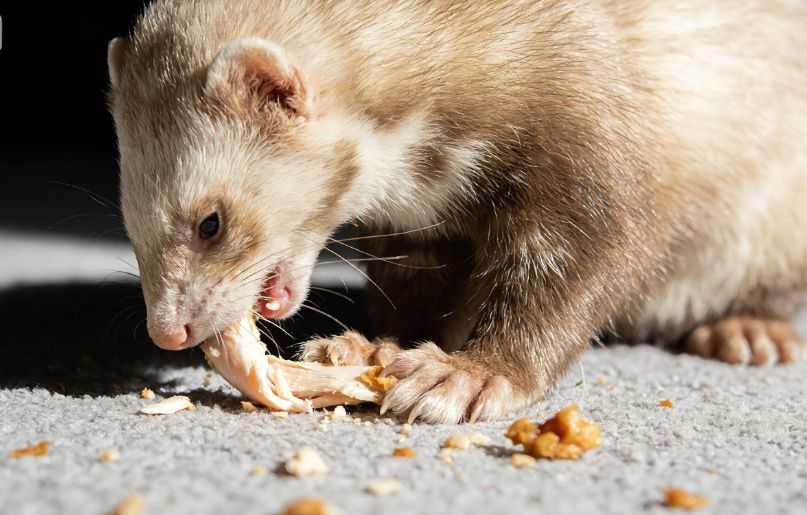
Like cats,ferrets are strict carnivores,meaning their nutritional needs primarily come from meat protein.Many veterinary studies have shown that common health problems in ferrets,such as inflammatory bowel disease and insulinomas,are directly related to improper feeding and unsuitable food choices.
It is crucial to avoid feeding ferrets cat food.While theoretically ferrets can eat small amounts of cat food,their protein requirements are far higher than cats',and most commercially available cat foods do not meet their growth,development,and daily metabolic needs.Therefore,it is essential to choose a special feed formulated specifically for your pet ferret's physiological characteristics.
II.Selection of High-Quality Ferret Food and Feeding Guidelines
The following are suggestions for high-quality ferret food and key considerations during feeding:
High-quality ferret food packaging should not contain seeds,nuts,or dried fruit scraps;the food should have a uniform appearance,free of artificial colors and other unnecessary additives to ensure food safety.
Note that the formulas of many ferret-specific foods may be frequently adjusted by manufacturers.Ferrets are typically picky eaters and easily become accustomed to certain tastes and textures;sudden changes in the formula may lead to food refusal.Therefore,it is recommended to purchase several different brands of ferret-specific food and mix them in the same container,offering different flavors,to facilitate a smooth transition when changing food and reduce the risk of food refusal.
Ferret food should be available 24/7 and checked daily.Promptly remove damp,dirty,crushed,spoiled,or inedible food to prevent gastrointestinal diseases caused by consuming spoiled food.
III.Selection and Feeding Guidelines for Ferrets
Ferrets are small in size,so the amount of treats given must be strictly controlled to ensure a balanced daily nutritional intake and prevent excessive treats from interfering with their main food intake,which could harm their health.When choosing treats,prioritize healthy options that supplement their daily diet without burdening their bodies.
Meat puree-like baby food without added ingredients is usually a favorite treat for ferrets.Medication can be mixed in as a supplement if necessary.Baby food containing rice,vegetables,or chunks of food should be strictly avoided,as these ingredients are not suitable for ferrets'digestive systems and can easily cause gastrointestinal upset.
Bob Church chicken broth(also known as duck soup)is also a suitable and high-quality treat for ferrets.For sick ferrets,this drink can be used as a supplementary main food,while also providing nutritional supplementation for healthy ferrets.
In addition,small pieces of cooked lean chicken,turkey,beef,or fish can be given to ferrets.Before feeding,always remove bones and skin,ensure the meat is fully cooked,and cut into small cubes to avoid health risks from bones choking or undercooked meat.
For other commercial ferret treats,prioritize ferret-specific products to ensure their formula meets the nutritional needs of ferrets and contains no harmful additives.
IV.List of Foods Forbidden for Ferrets
The types of foods that ferrets should not eat are far more numerous than the types of foods they can eat.In general,non-meat foods are unsuitable for ferrets.Specific foods to avoid include:
-Cat food(most varieties are insufficient in protein,and the kibble size and nutritional ratio do not meet the needs of ferrets);
-Dog food(too high in carbohydrates,difficult for ferrets to digest,the nutritional ratio does not match the metabolic needs of ferrets,and the kibble is too large,potentially causing injury);
-Raisins and other fruits(cannot be effectively digested by ferrets,easily causing gastrointestinal upset);
-Human food(except for a small amount of fully cooked lean meat,other human foods do not meet their nutritional and digestive needs);
-All kinds of vegetables(ferrets,as carnivores,cannot digest and absorb the nutrients in vegetables,easily causing bloating and diarrhea);
-All kinds of bones(easily cause choking or digestive tract injuries);
-Fish heads or fish skin(easily leave fish bones,and fish skin has a high fat content,which may cause digestive problems).
V.Proper Ferret Feeding Methods
Feeding ferrets is relatively simple:Place about 1/4 cup of healthy mixed ferret food into a heavy-duty earthenware pot daily.Note that ferrets have a habit of playing in their food and water,so using a heavy-duty earthenware pot and placing it several feet apart will effectively prevent the food and water from getting dirty or contaminated.
Check the food and water conditions approximately every 12 hours and change them as needed.Ferrets generally do not like to eat food scraps;if a lot of scraps accumulate in the food bowl,empty it promptly and add fresh food.Water should also be stored in a heavy-duty earthenware pot,checked and changed regularly daily to ensure cleanliness.Some ferrets can adapt to drinking from water bottles,but most ferrets prefer drinking from earthenware pots,and it is more efficient;therefore,earthenware pots are recommended as the preferred water source.
VI.Frequently Asked Questions about Ferret Diet
1.What do ferrets eat in the wild?
1.The pet ferrets we commonly keep as pets do not exist in the wild;they are believed to be domesticated from the European weasel.Wild European weasels primarily feed on small rodents,amphibians,and birds to meet their protein requirements.
2.What do domestic ferrets eat?
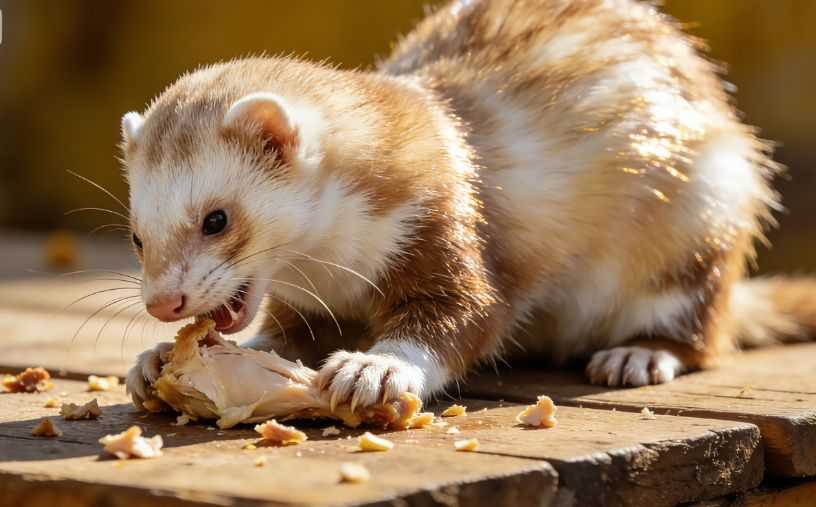
Domestic ferrets primarily eat high-quality,high-protein mixed pellet food specifically designed for them.Their daily diet can be supplemented with softer,high-protein treats,such as meat puree baby food or small pieces of cooked meat,to enrich their nutritional intake.
3.Can ferrets eat cat food?
It is not recommended to feed ferrets cat food.Although a few expensive,high-protein,low-carbohydrate cat foods on the market may meet some of the ferret's needs,this is only a special case and not universally applicable.Furthermore,the difference in pellet size between cat food and ferret-specific food is significant,making it difficult for ferrets to chew,and long-term consumption may damage their teeth.
4.Can ferrets eat dog food?

No,it is absolutely forbidden to feed ferrets dog food.Dog food has too high a carbohydrate content,which is beyond the digestive capacity of ferrets and can easily cause gastrointestinal diseases.Its nutritional composition does not match the metabolic needs of ferrets and cannot meet their growth and development requirements.At the same time,the dog food pellets are too large,making it difficult for ferrets to chew them,which may cause damage to their mouths and throats.