Information
- Home
- others

In popular culture,the answer to the question,"Do mice eat cheese?"seems self-evident.
The reason is that countless cartoons and films repeatedly depict the classic scene of mice carrying cheese and running away,a scene deeply ingrained in public perception.
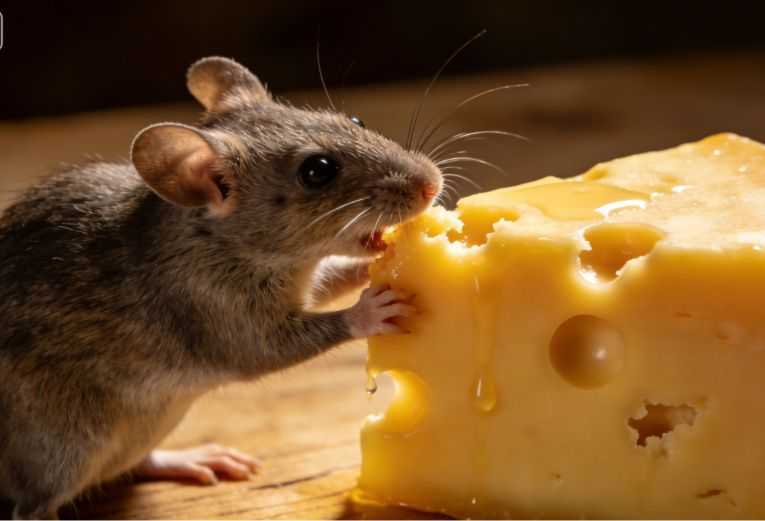
According to Merriam-Webster,"mouse cheese"is an informal name for cheddar cheese.This name originates from the price characteristics of domestically produced cheddar cheese—due to its low price,it's generally perceived as only suitable for making bait for mousetraps.
But is this really the case?Do mice actually have a preference for cheese?
While cheese is often portrayed as a favorite snack for rodents in various works,the reality is far more complex than this stereotype suggests.
To accurately understand the actual eating habits and food preferences of mice,we must break free from preconceived notions and analyze the issue from a scientific perspective.
This article will delve into the truth behind this cognitive misconception,analyzing why cheese may not be a mouse's preferred food.
Do mice prefer cheese?
While individual dietary preferences vary among mice,most will eat cheese,though it's not their absolute favorite.
Mice do show a clear preference for high-fat foods,such as nuts and peanut butter.
Given a variety of food options,mice will typically prioritize bananas,crackers,or standard mouse food over cheese.
It's important to note that each mouse has its own unique dietary preferences,with significant individual differences.
It is recommended that owners provide their mice with a variety of healthy treats and observe their preferred food.
Is cheese harmful to mice?
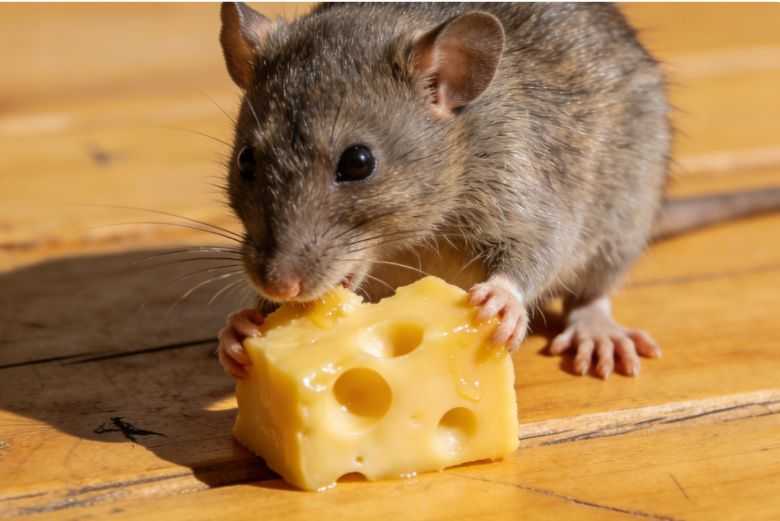
Cheese itself is not toxic to mice,but its consumption must be strictly controlled and not excessive.Cheese is rich in protein,fat,and calcium,and moderate consumption can be beneficial to mouse growth.
However,overfeeding mice with cheese can lead to a range of health problems,including:
-Stomach upset
-Diarrhea
-Dental damage
-Excessive sodium intake
-Obesity
If your mice enjoy cheese,it can be used as an occasional treat or as bait during training,but should not be given as a regular snack.
If you must feed cheese to mice,it is recommended to choose hard cheeses,as their texture is easier for mice to chew.Recommended cheese types are as follows:
-Cheddar
-Gouda
-Arsigo
Do not feed mice soft cheeses,including the following:
-Brie
-Mozzarella
-Cream cheese
-Country cheese
-Queso
-Ricotta
Soft cheeses are sticky and easily get stuck between a mouse's teeth,leading to plaque buildup,tooth damage,and in severe cases,suffocation,which can endanger the mouse's life.
Blue cheese is absolutely forbidden for feeding to mice,primarily because it contains Penicillium mold.
Penicillium mold produces mycotoxins,which are introduced into the milk or curd during cheesemaking.
As the cheese matures and ferments,Penicillium mold grows and multiplies inside,creating its distinctive blue-green texture.
It is this mold that gives blue cheese its unique flavor,aroma,and rich texture.
Although the mycotoxin levels in commercially available blue cheese are within the harmless range for humans,these toxins can cause significant harm to mice,especially with prolonged and continuous feeding.
Mycotoxins in blue cheese may cause the following adverse symptoms in mice:
-Abdominal pain
-Bloody diarrhea
-Abnormal weight loss
-Anemia
-Liver and kidney dysfunction
How to safely feed cheese to mice?

If your pet mice enjoy cheese,you can give them small amounts of hard cheese as a treat,but never in excess.
However,before feeding them,it is essential to consult a veterinarian for a professional assessment of the rat's diet and nutritional status,especially when the rat is suffering from any disease.Feeding should be carefully controlled in these cases.
Remember,treats and other nutritional supplements should only comprise 10%to 20%of the rat's daily diet.The remaining 80%to 90%should be pelleted or block-shaped feed suitable for rodents to ensure a balanced nutritional intake.
From a scientific feeding perspective,ideally,rats should be fed cheese only once a day,and only one type of cheese should be chosen each day,avoiding mixing different types of cheese.
The following hard or semi-hard cheeses can be selected for feeding,with a recommended single feeding amount of 1 gram(approximately¼teaspoon):
-Aged Gouda cheese:1 gram(¼teaspoon)
-Aged Arsíago cheese:1 gram(¼teaspoon)
-Appenzell cheese:1 gram(¼teaspoon)
-Plain Bebe cheese:1 gram(¼teaspoon)
-Glen Padano cheese:1 gram(¼teaspoon)
-Cheddar cheese:1 gram(¼teaspoon)
While cheese may be a delicious treat for some mice,it is crucial to provide them with a variety of healthy snacks in addition to a nutritionally balanced,mouse-friendly pellet or block diet.
Mice can safely consume various fruits and vegetables,which are rich in vitamins and minerals and have moderate fat and sodium content,meeting their nutritional needs.
Furthermore,whole grains(such as oats)or small amounts of cooked pasta can supplement mice with carbohydrates and dietary fiber,promoting gut health.
Providing mice with a variety of snacks not only adds fun and novelty to their lives,but also increases their opportunities to forage,thereby improving their overall health and well-being.