Information
- Home
- cats
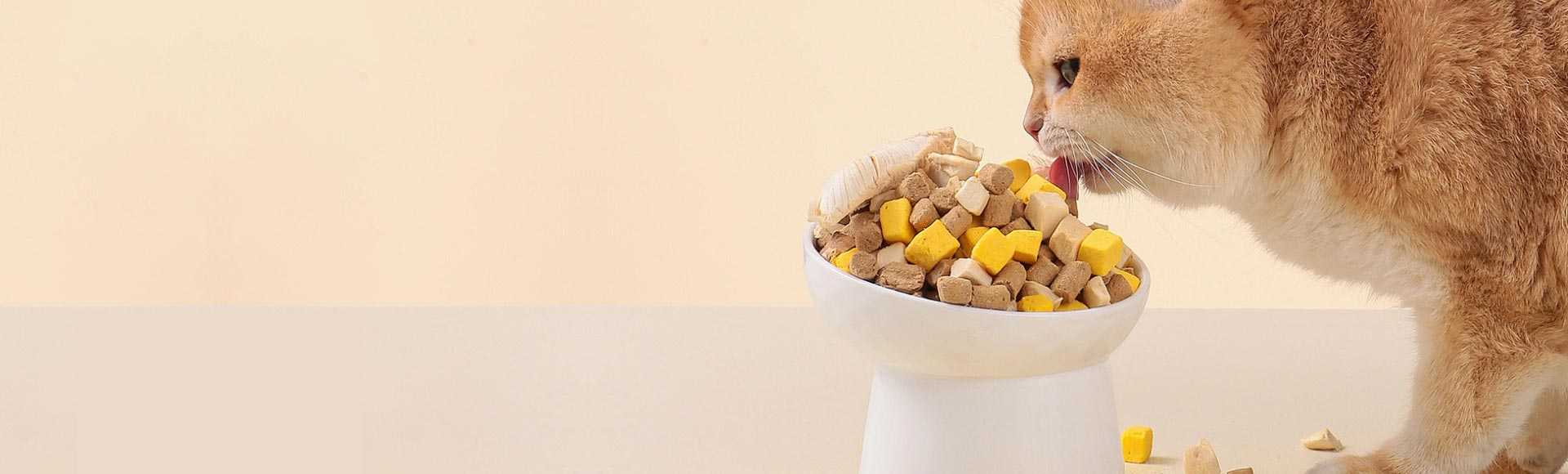
In recent years,more and more pet owners are considering raw food,"human-grade"food,single-ingredient food,and freeze-dried food when choosing food for their dogs and cats.Although freeze-dried cat food accounts for a much smaller share of overall cat food sales than dry food and canned food,its market size is growing rapidly and is gradually becoming a popular category.
Nutritional deficiencies in cats can lead to various health risks,many of which are irreversible or incurable.Therefore,when selecting a suitable diet for your cat,it is recommended to consult a veterinarian or a professionally certified veterinary nutritionist(ACVN certified experts can be found on the acvn.org website).A cat's diet selection requires consideration of multiple factors,including age,health condition,and any medications being taken.
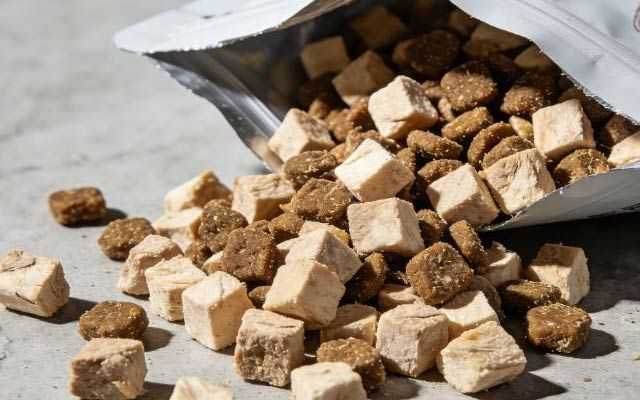
This article will systematically introduce the basic knowledge of freeze-dried food,providing pet owners with a reference for choosing food for their cats and helping them make informed decisions.
I.What is Freeze-Dried Cat Food?
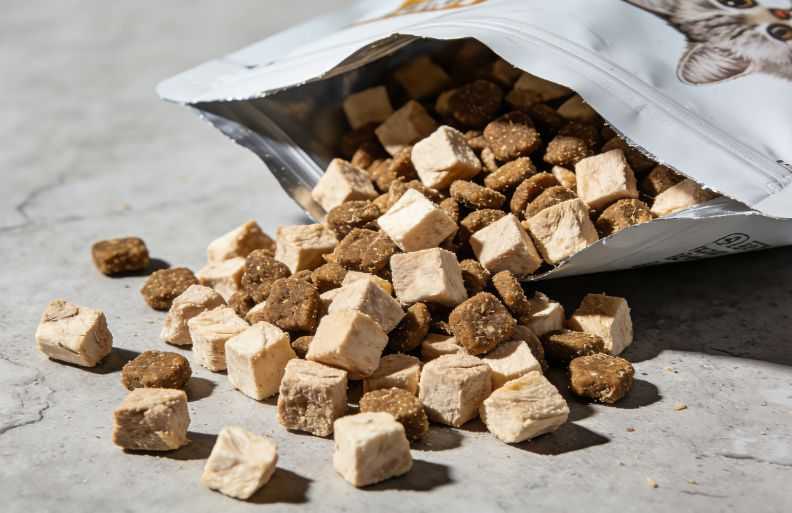
Freeze-drying technology involves freezing food and placing it in a vacuum environment,causing the moisture in the food to sublimate directly(from solid ice to gaseous water vapor).The processed food is then sealed in airtight packaging.This technology completely removes moisture from food,making it more stable at room temperature compared to unfreeze-dried food,and significantly extending its shelf life.
Freeze-dried cat food is a raw food product,unprocessed and unpasteurized.It comes in various forms,sold as a main meal,a treat,or used to wrap kibble or mix with other cat foods.
II.Differences between Freeze-Dried Cat Food and Raw Food Cat Food
The core differences between unprocessed raw food cat food and freeze-dried cat food are as follows:
-Different manufacturing processes:Freeze-dried cat food removes moisture from raw food using freeze-drying technology and can be stored at room temperature;unprocessed raw food requires low-temperature storage and has a shorter shelf life.
-Different distribution and processing methods:Freeze-dried cat food is a standardized commercially available product,while unprocessed raw food is mostly homemade by pet owners or supplied through local pet stores or butcher shops.Raw food of this type lacks professional sterilization,failing to reduce the potential risk of bacterial and parasitic infections.
-Nutritional and regulatory safeguards differ:Unprocessed raw food often lacks standardized regulation,easily leading to nutritional imbalances.Only through professional collaboration between pet owners and licensed veterinarians/nutritionists can a comprehensive nutritional diet be ensured.
III.Are freeze-dried cat food and dehydrated cat food the same?
Although freeze-drying and dehydration are two different food processing technologies,their core purpose is the same:removing moisture from food to extend shelf life.The key difference lies in the processing temperature:freeze-drying relies on a low-temperature environment to remove moisture,while dehydration requires low-temperature heating to evaporate moisture,and the temperatures required for dehydration are insufficient to fully cook the food.
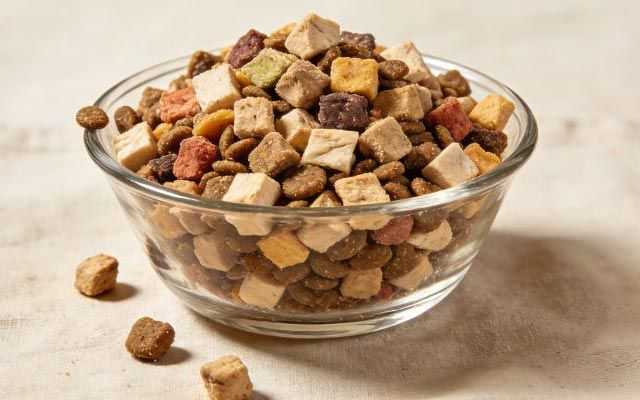
Compared to dehydrated food,freeze-dried food has a lower moisture content,typically a longer shelf life,and is superior in retaining vitamins and other nutrients.
IV.Safety Analysis of Freeze-Dried Raw Cat Food
Feeding any type of raw food carries inherent risks,not only for the cat itself but also posing a threat to the health of family members.Cats with weakened immune systems or underlying health conditions,as well as humans,children,and the elderly,are more susceptible to health risks associated with raw pet food.
(I)Bacterial and Parasitic Risks
The most significant safety hazard associated with raw cat food is bacterial contamination.E.coli,Listeria,and Salmonella are the most common pathogens.In addition,some meat ingredients may carry parasites and Clostridium difficile.
For example,a recent outbreak of tuberculosis in cats and their owners in the UK was traced back to a brand of commercially available raw cat food.
While freeze-drying can reduce the number of pathogens in raw food to some extent,most pathogens can tolerate the freeze-drying process;therefore,there are no absolutely safe raw food products.However,the level of contamination in commercially available freeze-dried raw food is generally lower than that in unprocessed raw food.
It should be noted that even if food manufacturers conduct routine contamination testing on raw materials,secondary contamination can still occur in the product after testing.
While cats may become ill after consuming raw food,the greater risk lies with family members.Cats'daily grooming,playing,and rubbing against each other can expose humans to contaminated saliva.Furthermore,handling raw food,food bowls,and cat feces also poses a risk of exposure to pathogens.
(II)Nutritional Deficiency Risk

Besides the risk of pathogens,both homemade and commercially available raw food may have nutritional imbalances.Unless pet owners collaborate with a certified veterinarian nutritionist to prepare their cat food,or pet food companies employ professionally certified veterinarian nutritionists in formula development,cats are highly susceptible to health problems due to nutritional deficiencies or imbalances.
If you choose to feed your cat raw food,ensure the product label clearly states"complete and balanced nutrition."Most freeze-dried products on the market are only intended as food companions,treats,or ingredients and cannot meet all of a cat's nutritional needs on their own.
(III)Risk Warnings for Special Groups
If your cat has underlying conditions such as diabetes or autoimmune diseases,or if there are people with weakened immune systems in the household,feeding them raw food is not recommended.In these cases,the risk of foodborne illnesses in cats will be significantly increased.
V.Is Freeze-Dried Cat Food More Suitable for Cats?
While many advocate that a raw diet is better for cats'health and aids in disease recovery,there is currently no published peer-reviewed scientific evidence to suggest that raw cat food offers superior overall health benefits compared to commercially available cooked dry or wet food.
Existing evidence suggests that raw meat is generally easier for cats to digest than cooked meat,but whether this advantage outweighs the safety risks associated with a raw diet remains inconclusive.
VI.Preparation Methods of Freeze-Dried Cat Food
Freeze-dried raw meat-coated cat food does not require rehydration and can be fed directly as regular dry food;however,most freeze-dried products require rehydration with water or pet-specific broth.If using broth for rehydration,it is recommended to consult a veterinarian first,as some broths may contain excessive sodium,which is detrimental to a cat's health in the long term.
Some freeze-dried product instructions recommend rehydration with raw goat milk or raw cow milk,but this method is not recommended.Firstly,dairy products can easily cause severe gastrointestinal upset in cats;secondly,raw cow milk carries a higher risk of pathogen contamination,which may exacerbate health risks.(I)Adherence to Food Safety Standards
Regardless of the preparation method,if you choose to feed your cat raw food,you must strictly adhere to food safety standards,wash your hands frequently,and avoid infection with pathogens such as Salmonella,E.coli,and Listeria.These bacteria can be transmitted through contact with raw food or surfaces contaminated by raw food.
All surfaces and utensils that come into contact with food must be cleaned and disinfected promptly.For more details on food handling safety,please refer to the relevant recommendations issued by the U.S.Food and Drug Administration(FDA).
VII.Storage of Freeze-Dried Cat Food
Freeze-dried cat food remains stable at room temperature.Storage requirements and shelf life vary between brands.Most products require refrigeration after opening,and should not be left at room temperature for more than one hour to prevent food poisoning.If you have any doubts about the safety of the product,it is recommended to discard it immediately to protect the health of your cat and family.
All freeze-dried cat food products must be clearly labeled with an expiration date and storage instructions to facilitate proper storage by pet owners.