Information
- Home
- cats
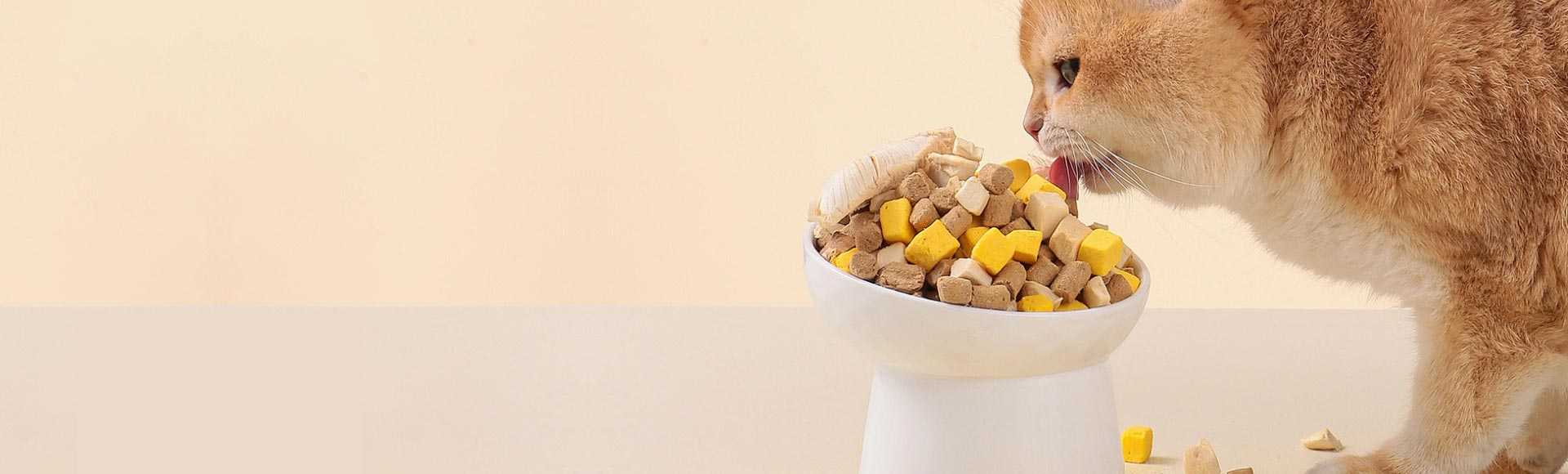
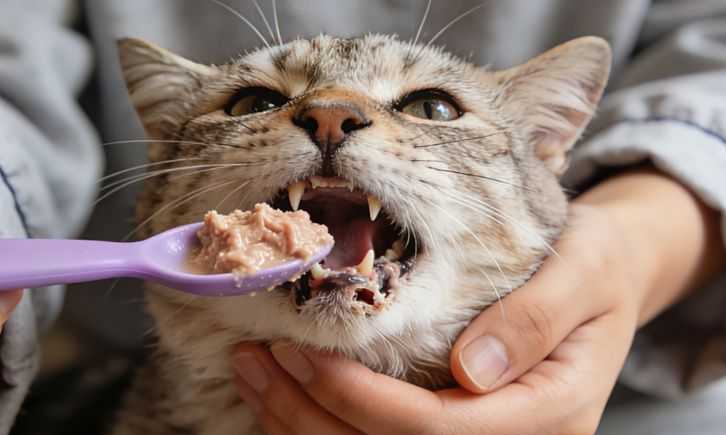
Cat owners are well aware of this:the moment you open a carton of Chobani yogurt,before you even have a chance to pick up a spoon,your cat is already eager to try a bite.We know cats love the taste of yogurt,but can they really eat it?The answer is yes—certain types of yogurt are safe for cats.However,this doesn't mean yogurt should be part of your cat's daily diet.Before feeding your cat yogurt,it's recommended that you carefully check the nutrition facts label.

Can cats eat yogurt?
Yogurt is rich in protein,calcium,vitamin B2,vitamin B12,and probiotics,so you might think it's beneficial for your cat.However,considering your cat is already eating a veterinarian-recommended healthy,balanced cat food,these nutritional benefits are not enough to justify adding yogurt to your cat's daily diet.
Dr.Renee Schmid is a veterinary toxicologist with a Doctor of Veterinary Medicine(DVM),is certified by the American Board of Veterinary Toxicology(DABVT),and is certified by the American Board of Toxicology(DABT).She currently works at a pet poisoning hotline.She explained that while cats can eat yogurt,it's not suitable for all cats.
Dr.Schmid stated,"Dairy products often cause gastrointestinal upset in cats because most cats are lactose intolerant,primarily exhibiting diarrhea and vomiting.Therefore,yogurt is not an ideal food for cats."
The most common symptom of lactose intolerance is gastrointestinal upset,such as diarrhea or vomiting.Dr.Schmid pointed out that if your cat develops these symptoms 8 to 12 hours after consuming dairy products,it is highly likely to have lactose intolerance.
For humans,the probiotics in yogurt can help promote digestion.However,Dr.Schmid stated that unless a cat has gastrointestinal problems,pets usually do not need additional supplementation with these bacteria.If your cat has digestive issues,it is recommended that you put down the yogurt spoon and take it to a veterinarian promptly.A veterinarian can determine the specific cause of the cat's digestive problems and may even recommend cat-specific probiotic products to help improve its gut health.
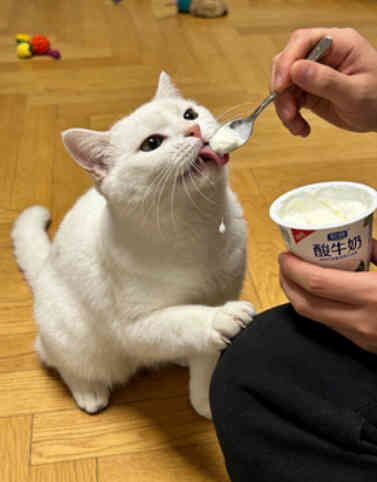
Which types of yogurt are safe for cats?
If your cat is not allergic to dairy products,most plain,unsweetened yogurts are safe for them.However,before giving them to your cat,you should ensure that the yogurt does not contain any other ingredients that may be harmful to your cat.Generally,it is not recommended to feed cats low-calorie or flavored yogurts,as these often contain additional toxic ingredients and should be kept away from your cat.Specific harmful ingredients include:
-Xylitol
-Grapes or raisins
-Chocolate
-Citrus fruits(lemons,limes,oranges,grapefruits,etc.)
-Coconut
How much yogurt can a cat eat?
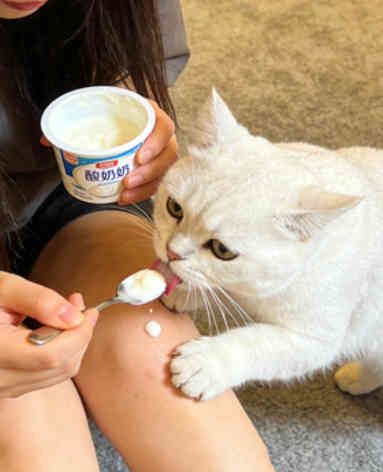
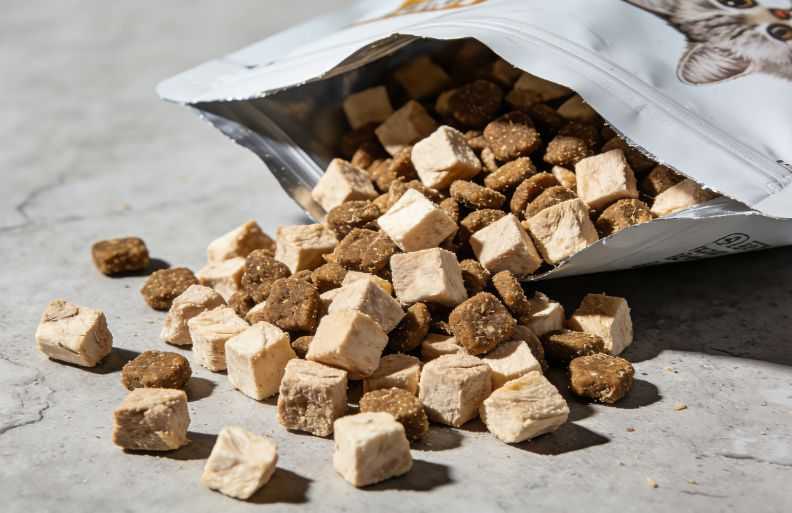
If your cat has no adverse reactions after consuming dairy products,you can give them a maximum of one tablespoon of yogurt as a treat per day.Generally,the calories in treats should not exceed 10%of your cat's total daily calorie intake.However,Dr.Schmid recommends:"Because the incidence of lactose intolerance is high in cats,it is recommended to prioritize feeding them cat-specific treats and completely avoid feeding them dairy treats."
Your cat should be obtaining most of its essential nutrients from a healthy,balanced diet of veterinarian-approved cat food.Feeding your cat a small amount of yogurt occasionally is unlikely to cause harm,but veterinarian-recommended cat treats,or even homemade cat treats,can allow your cat to enjoy the taste while avoiding potential gastrointestinal upset caused by dairy products.