Information
- Home
- cats

Similar to human infants,kittens rely on breastfeeding immediately after birth,followed by a gradual transition to solid food.Mother cats fulfill their kittens’nutritional requirements exclusively through breast milk from birth until approximately 4 to 6 weeks of age.
Subsequently,the weaning process commences.During this phase,mother cats progressively introduce solid food to their offspring.Weaning typically involves the mother demonstrating feeding behaviors and encouraging the kittens to attempt new foods.By around 8 to 10 weeks of age,most kittens are fully weaned and capable of independently consuming solid food.
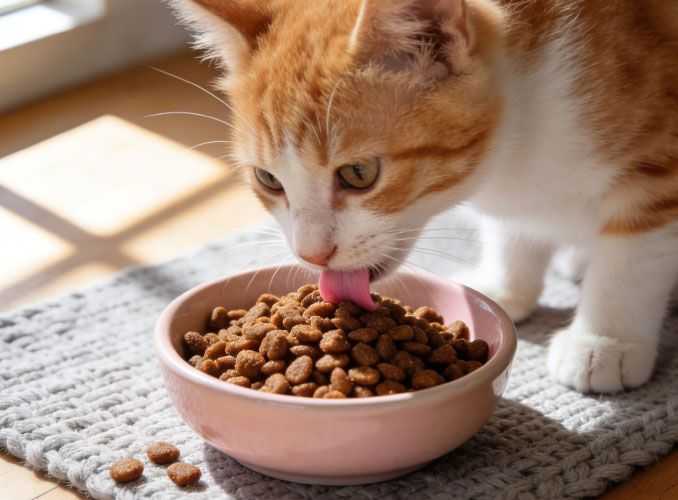
This kitten feeding guide outlines the appropriate feeding quantities for kittens during their first year of life.
Feeding Orphaned Kittens
If you care for a kitten that has lost its mother,it is essential to provide food specifically formulated for kittens.Regardless of whether the orphaned kitten is newborn or several weeks old,bottle feeding is required.While bottle feeding kittens is not overly complex,it does demand specific techniques for proper execution.The following guidelines on bottle feeding kittens may be of assistance:
Use Commercial Kitten Milk Replacer
When mother cats are unable to nurse their kittens,human intervention is necessary to ensure the kittens receive adequate nutrition.Under no circumstances should regular cow’s milk from the refrigerator be used to feed kittens—this can cause severe gastrointestinal distress and fails to provide the essential nutrients required for their survival.Instead,a commercial kitten milk replacer must be purchased to supply the specialized nutrition they need.Such products are available at local pet stores or veterinary clinics.
Milk,dairy alternatives,or other substitute beverages should never be used.Kitten milk replacers are formulated to replicate the nutritional composition of mother cat’s milk and are available in two forms:powdered and canned.
Kitten Feeding Guidelines
During the initial weeks of life,kittens require frequent feedings to obtain sufficient nutrition for healthy growth and development.Follow the feeding schedule below using a commercial kitten milk replacer appropriate for the kitten’s age.As a general rule,feed kittens until they are satiated.
Weaning Transition for Kittens
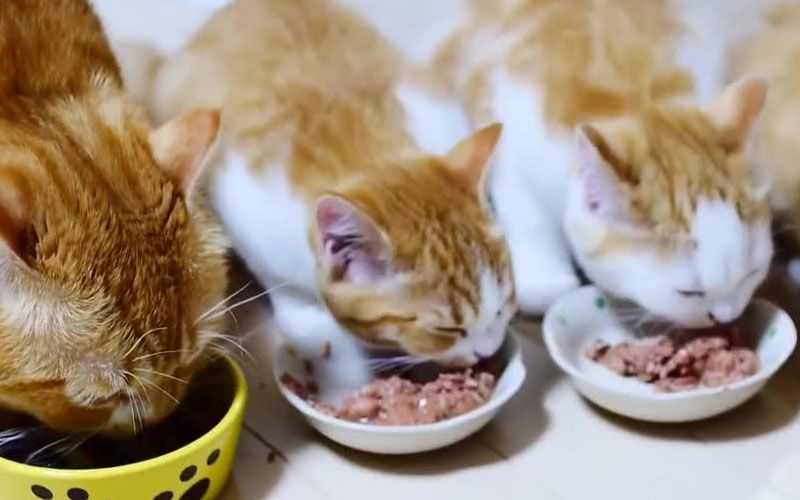
If kittens are being raised by their mother,the weaning process will occur naturally,typically starting around 4 weeks of age.Orphaned kittens being bottle-fed follow the same weaning timeline.At this stage,solid kitten-specific food can be introduced by mixing a small amount of wet kitten food with milk replacer to form a paste-like consistency.
Throughout the weaning period,bottle feeding should continue,as kittens are unlikely to obtain all required nutrients from small portions of the paste-like food.
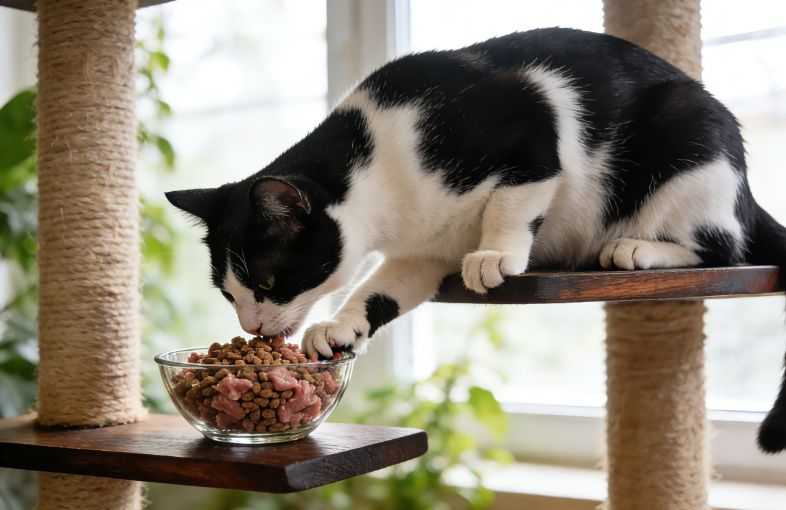
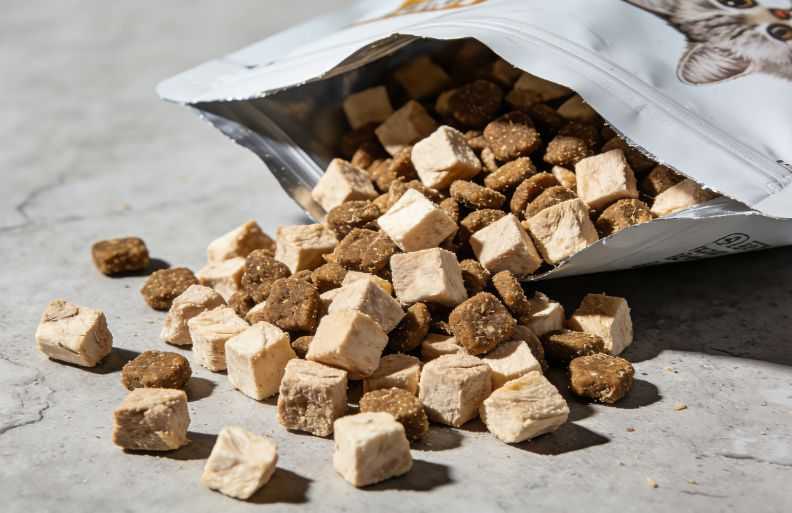
By the fifth week,gradually reduce the proportion of milk replacer in the paste while introducing dry kitten food and providing a bowl of fresh water.
Over the subsequent two weeks,continue decreasing the milk replacer ratio and increasing the proportion of kitten food.By 8 weeks of age,kittens should have fully transitioned to solid kitten food.Veterinarians also recommend initiating the kitten’s vaccination schedule at this stage.
At 2 months of age,kittens should be fed regular kitten food twice daily.
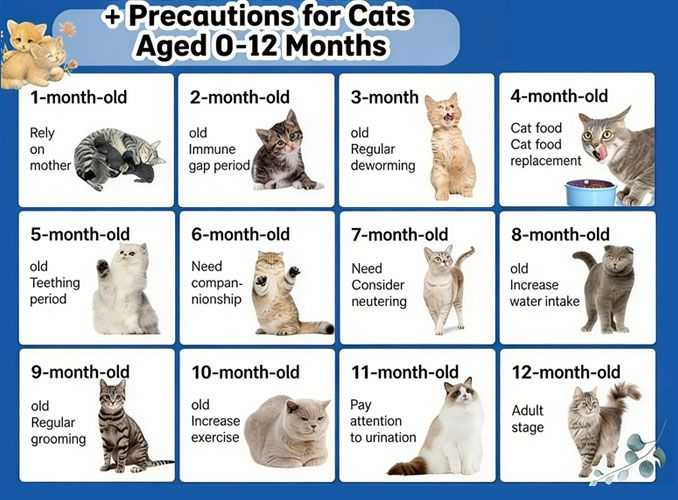
Once kittens reach 1 year of age,they can generally be transitioned to adult cat food,though consultation with a veterinarian is advisable to confirm the appropriate timing.