Information
- Home
- cats

A cat's eating habits directly reflect its health,therefore,closely monitoring its eating habits is crucial.
If a cat stops eating,it's essential to investigate the underlying cause promptly.This article details common reasons why cats may stop eating and provides targeted advice to help pet owners restore their cats'normal eating habits.
Analysis of the Core Causes of Cats'Loss of Appetite
The causes of loss of appetite in cats are complex.Some causes can be initially identified through a physical examination,while others require professional methods such as blood tests and imaging examinations(e.g.,X-rays,ultrasound)for a definitive diagnosis.
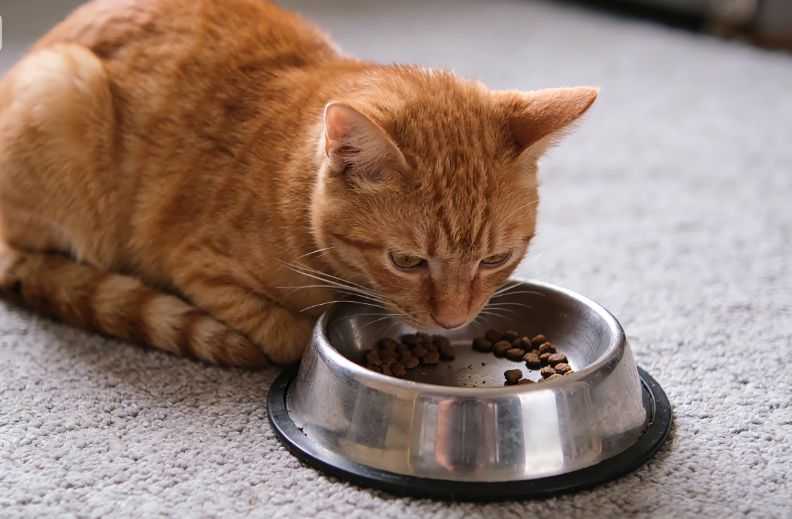
If a cat exhibits loss of appetite,or refuses to eat completely for 1-2 consecutive days,it should be taken to a veterinarian immediately to determine the cause and receive appropriate intervention.This is a medical emergency,as prolonged malnutrition can lead to various serious complications,endangering the cat's life and health.
Here are some common reasons why cats may not eat,for pet owners to check:
1.The cat may have a physical illness(upper respiratory tract related)
Upper respiratory tract infections are one of the most common causes of loss of appetite in cats.When a cat has a stuffy nose,its sense of smell is significantly affected,leading to a loss of interest in food and refusal to eat.
In this case,prioritize offering wet food,especially strongly scented wet food,to increase its appeal.If the cat refuses its usual wet food,try changing the flavor or texture and observe if its eating improves.Additionally,slightly heating canned food can enhance its aroma,making it more acceptable to unwell cats.
If your cat exhibits any of the following symptoms,contact a veterinarian immediately:frequent sneezing,watery eyes,or runny nose.Note that some upper respiratory tract infections are viral and may heal on their own without medication,but bacterial infections require antibiotic treatment to help the cat recover.
Besides upper respiratory tract infections,other nasal diseases such as nasal polyps and nasal tumors can also affect a cat's sense of smell and appetite.Nasal tumors,in particular,can cause pain,further leading to the cat refusing to eat.
2.Cats may suffer from dental and oral diseases.
Various oral diseases can cause cats to completely stop eating.Common oral problems in cats include tartar buildup,gingivitis,and inflammation of other oral tissues.These problems can cause significant pain,affecting a cat's chewing and eating.In addition,cancerous tumors can also develop in a cat's mouth,which can also lead to difficulty eating.
Common warning signs of oral diseases in cats include:bad breath,drooling,and bleeding from the oral mucosa.Pet owners can regularly use a cat-specific toothbrush and toothpaste to clean their cat's teeth,effectively preventing gingivitis and various dental diseases.
3.Your cat may have a gastrointestinal disease.
Many gastrointestinal diseases can cause decreased appetite in cats,including intestinal obstruction,ingestion of foreign objects,gastrointestinal cancer,pancreatitis,inflammatory bowel disease,constipation,and nausea.
Nausea,in addition to being caused by gastrointestinal diseases,may also be related to diabetes and kidney disease—both of which are accompanied by symptoms such as vomiting,increased thirst,and abnormal urination.Furthermore,the side effects of some medications(such as antibiotics and chemotherapy drugs)can also cause nausea in cats.
Cats exhibiting nausea may initially show interest in food but subsequently refuse to eat,and may also exhibit abnormal behaviors such as drooling,food spilling during eating,and frequent lip licking.
4.Your cat may have congestive heart failure.
Congestive heart failure can cause symptoms such as coughing,fatigue,and difficulty breathing in cats.These symptoms significantly reduce a cat's appetite,leading to refusal to eat.
In addition,medications for heart disease or new prescription foods for sick cats can also affect their appetite;especially when the taste and texture of the new prescription food differ significantly from the cat's usual food,the cat is more likely to refuse to eat.
5.The cat may be recovering from illness or hospitalization
Some cats may develop anorexia after illness or hospitalization.The core cause of this is that the cat associates a certain food with the discomfort of illness or the stress of hospitalization,thus refusing to eat that food,and in severe cases,rejecting all food.
If a cat exhibits this type of anorexia,pet owners may need to try and adjust feeding techniques multiple times to find food the cat will accept.At the same time,consult a veterinarian about emergency care prescription foods suitable for cats during recovery—these prescription foods are high in calories and only require small amounts to meet the nutritional needs of the cat during recovery,helping it to quickly regain strength.
Specific Causes of Kitten Refusal to Eat
Kittens are usually weaned between 6-8 weeks of age,gradually transitioning to solid food.Compared to adult cats,kittens have unique reasons for not eating,specifically:
1.Kittens are in a transitional period to solid food and haven't yet established their own dietary preferences.
When transitioning to solid food,kittens need to be exposed to different types and textures to gradually develop their own preferences.If a kitten refuses to eat immediately after weaning,the solution is usually simple,such as changing the type of cat food or adding a suitable amount of warm water to the cat food to soften it,making it easier for the kitten to chew and swallow.
It is recommended to provide kittens with a variety of textures and shapes of wet and dry food(such as meat sauce-like,stew-like,or broth-like wet food,and dry food in different shapes such as triangles and circles).At the same time,enhancing the aroma of the food can help kittens smoothly transition to solid food—a cat's appetite is largely influenced by its sense of smell.
Note that wet food fed to kittens should be kept at room temperature or slightly above room temperature.Appropriate heating can enhance the aroma of the food and increase its appeal to the kitten.
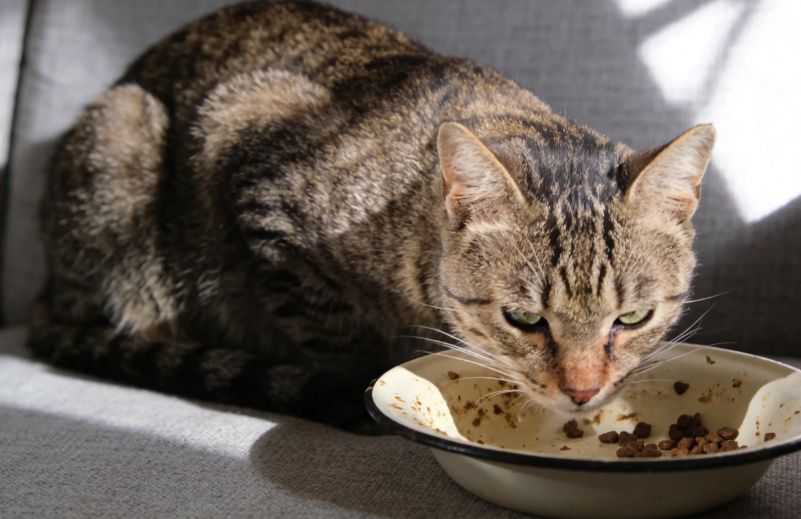
2.The kitten may have an upper respiratory infection.
Upper respiratory infections are common in kittens.Symptoms include nasal congestion,fever,lethargy,and decreased appetite.The management is the same as for adult cats with upper respiratory infections.If the kitten exhibits sneezing,watery eyes,and a runny nose,contact a veterinarian immediately.
3.The kitten may have ingested a foreign object.
Kittens are naturally curious and may swallow foreign objects such as ropes,wires,or hair ties while exploring their environment.These objects can become lodged in the stomach or small intestine,causing intestinal obstruction—a very serious medical emergency requiring immediate intervention.
Pet owners must strictly prohibit kittens from playing with any objects they could swallow.If you suspect your kitten has ingested a foreign object,or if your kitten exhibits decreased appetite accompanied by vomiting,contact a veterinarian immediately.In some cases,surgery may be necessary to remove the foreign object to prevent life-threatening complications.
It is particularly important to note that if a kitten does not eat for more than one day,contact a veterinarian immediately to schedule a check-up.The sooner the cause of a cat's loss of appetite is identified,the more timely intervention can be implemented to help the kitten recover.
Practical Methods to Help Your Cat Regain Its Appetite
Cats are naturally adept at hiding pain or discomfort;therefore,closely monitoring changes in a cat's eating habits and promptly recognizing signs of loss of appetite is crucial.
Treatment for a cat's loss of appetite needs to be tailored to the individual cat,depending on the specific cause of the loss of appetite.If your cat has a clear health problem,the following treatments may be necessary,and specific procedures should be followed under the guidance of a veterinarian:
-Use antibiotics to treat bacterial infections;
-Perform surgery for related diseases(such as intestinal obstruction or tumors);
-Adjust the diet according to the condition,switching to a suitable prescription food;
If,after examination,the veterinarian confirms that the cat is in good health and the lack of appetite is solely due to picky eating,the following suggestions can be followed to gradually guide the cat back to normal eating:
-Try changing the texture,flavor,or shape of cat food to match the cat's dietary preferences;
-Add a small amount of warm water or low-sodium chicken broth to the dry food to enhance the aroma and palatability,attracting the cat to eat.
Veterinary Indications for Cats Not Eating
If your cat has not eaten for two consecutive days,or a kitten has not eaten for one to two consecutive days,contact a veterinarian immediately.Do not delay.
All cats,especially overweight cats,are susceptible to hepatic steatosis,a serious disease,if they stop eating for an extended period.Therefore,timely intervention is crucial.Hepatic steatosis occurs when a cat's diet is insufficient in fat and calories,forcing the body to use fat stored in the liver for energy.This disease is dangerous and often life-threatening for cats.
If your cat exhibits loss of appetite accompanied by any of the following symptoms,take it to a veterinary emergency room immediately to rule out serious illnesses:

-Frequent vomiting;
-Diarrhea;
-Lethargy and drowsiness;
-Difficulty breathing;
-Yellowing of the skin and whites of the eyes(indicating potential liver damage).
Pet owners should be familiar with their cat's normal eating habits and closely observe their eating behavior.If signs of loss of appetite are observed,prompt investigation and professional help are essential to ensure the best possible health for your cat.