Information
- Home
- cats

Whether you're a first-time cat owner or a seasoned cat lover,you're likely concerned about whether your feline companion is consuming sufficient and appropriate amounts of food.The amount of food to feed your cat needs to be determined by considering its individual physiological needs,your lifestyle,and your budget.This decision requires careful consideration,as your cat's health depends on establishing a sound nutritional foundation while avoiding unnecessary health risks such as overweight.
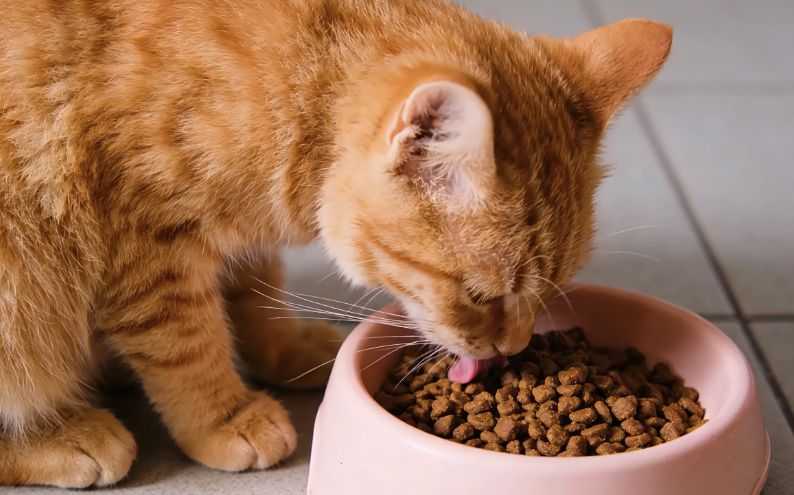
When determining your cat's food intake,focus on the following key factors:
Cat's age
Cat's starting weight
Cat's daily activity level
Whether your cat is pregnant or lactating
Type of food(dry food,wet food,or a mix)
Nutritional composition required by your cat
Cat's living environment(indoor,outdoor,or free-roaming)
Your budget and lifestyle
When developing a scientific diet plan for your cat,your veterinarian or licensed veterinary nutritionist is the best guide,especially when you're committed to providing a nutritionally balanced diet.Cats are obligate carnivores,and their diet differs fundamentally from that of other pets.When choosing cat food,pay close attention to the following key nutrients:
Protein:Cats need animal protein(such as meat,fish,and poultry)to meet their nutritional requirements as obligate carnivores.Kittens,in particular,have a high protein requirement.
Arginine:This is an amino acid derived from meat.Cats cannot synthesize it themselves but rely on it to help remove ammonia from their bodies.
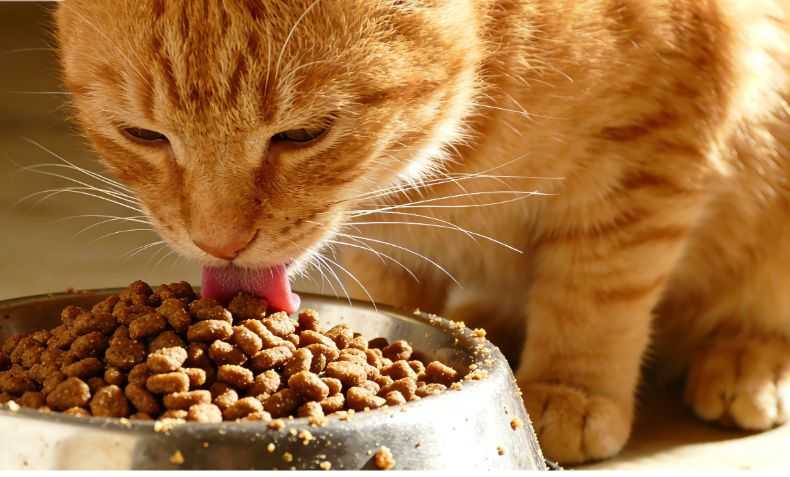
Taurine:As a crucial amino acid,taurine plays a vital role in the growth and development of kittens and the health of adult cats.Since cats cannot synthesize taurine,it is an indispensable nutrient in their diet.
Vitamins:A cat's diet must include key vitamins such as vitamin A,niacin,and vitamin D.
Water:Ensuring adequate water intake is crucial for a cat's health.
Just as you carefully examine the ingredient list of human food,when choosing cat food,don't focus excessively on the marketing claims on the front of the packaging or can;instead,focus on reading the nutrition facts label on the back.Veterinary nutritionist,veterinary doctor,MSc,and certified expert by the American Veterinary Nutrition Association,Karin Heinz,advises close monitoring of the calorie content of cat food.
“Some cat foods can have up to or even exceed 500 calories per cup,”Heinz states.“A lean cat,for example,weighing about 10 pounds,needs approximately 250 calories per day,which is equivalent to half a cup of 500-calorie cat food.”
Heinz points out that if a cat is small or has low activity levels,its food intake should be reduced accordingly.Free-feeding should also be avoided,as most cats lack the ability to control their food intake.In multi-cat households,each cat should have its own individual feeder,and a tailored feeding plan should be developed to meet the individual nutritional needs of each cat.
After selecting cat food,experts like Heinz emphasize the crucial importance of individually portioning and feeding each cat to accurately monitor the type and amount of food they consume.She stated that the best way to determine the amount of cat food to feed is to accurately weigh it using a scale.Owners need to perform simple calculations based on this,especially if they plan to feed their cat twice a day,morning and evening;even with a 24-hour feeding schedule,the total daily amount should be weighed in advance.
"Ideally,each new cat should be provided with a feeding kit containing a baby scale,a gram scale,a litter box,and several toys,"Heinz said.While this may seem cumbersome,she pointed out that regularly weighing the cat and accurately measuring the amount of cat food is the best way to ensure the cat receives the appropriate amount of food.
If price is a significant factor when choosing cat food,a pet food calculator can be used to calculate the monthly feeding costs.Cat food is widely available,sold at veterinary clinics,pet stores,online pet supply platforms,and even large supermarkets.
Heinz added that owners also need to consider whether to feed their cat dry food,wet food,or a mix.“There’s no absolute superiority or inferiority among these three feeding methods;each has its own advantages and disadvantages.”
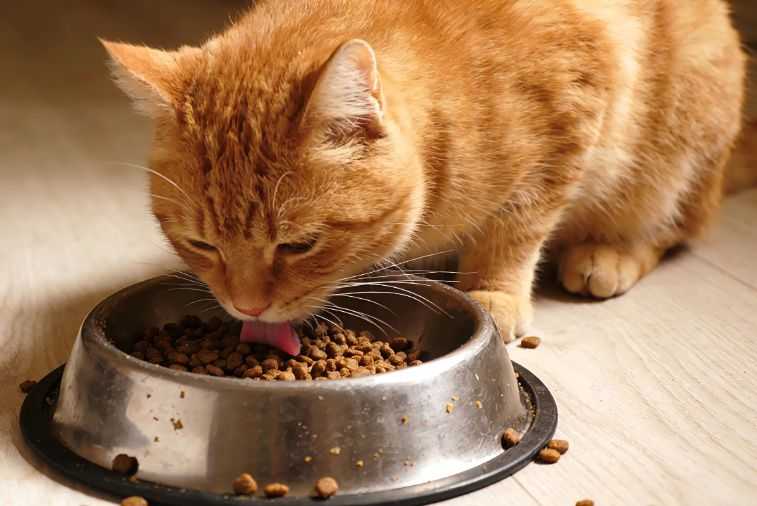
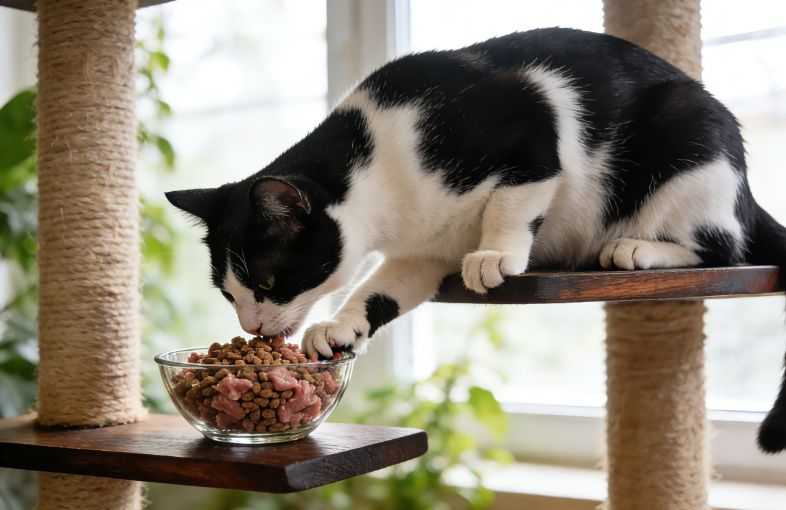
Generally speaking,cats primarily fed dry food tend to have less tartar and plaque buildup.However,these cats often drink too little water and are more prone to dehydration.“From a calorie perspective,dry food is much cheaper than canned or wet food,but wet food has a significant advantage in replenishing a cat’s fluids,”Heinz said.“However,I believe that either feeding method can raise a healthy and happy cat.”
Heinz added that it’s equally important to introduce kittens to a variety of food types,including different shapes and sizes of kibble,meat paste,meat chunks,and gravy.Kittens gradually develop fixed food texture preferences and are less willing to try other types of food as adults.Introducing a diverse diet in kittenhood“gives you greater flexibility in subsequent feeding.”
While determining the amount of food to feed a cat requires careful consideration,this investment is definitely worthwhile.Just like Goldilocks in the fairy tale who strives for"just right,"cat owners must avoid overfeeding or underfeeding their cats.Only by finding the precise balance can a cat's health be guaranteed.Even after establishing a suitable diet and feeding schedule,owners need to continuously evaluate and adjust the plan as needed.As cats grow and their lifestyle changes,their nutritional needs will also change.Regular checkups at a veterinary clinic are essential so that professionals can monitor the cat's weight changes and provide timely,scientific solutions when problems arise with feeding or diet.