Information
- Home
- cats

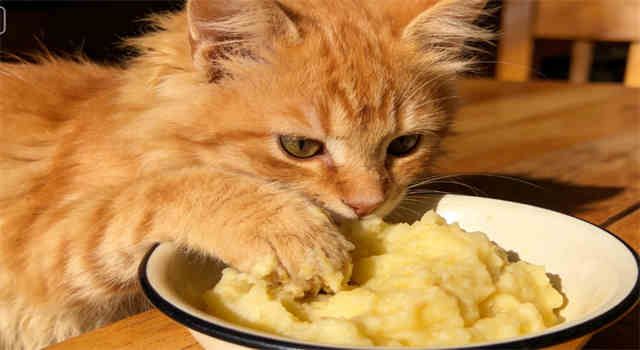
Cats are important members of the family,and owners often share everything with them,from living space and emotional companionship to daily diet.However,it's important to understand that sharing is not the same as caring—cats'nutritional needs differ significantly from humans',and some foods safe for humans may be toxic to cats.
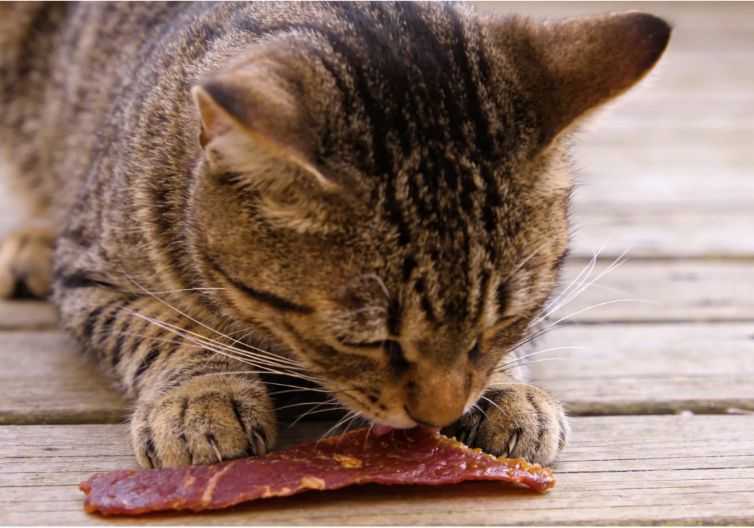
Therefore,understanding a cat's nutritional needs,the human foods they can eat,and those that should be strictly avoided is crucial for their health.The following will provide a detailed overview of key points regarding human foods that cats can eat,including feeding recommendations for common foods such as peanut butter,cheese,and biscuits.
I.Nutritional Benefits of Feeding Cats Human Food
To ensure the professionalism and accuracy of the content,this article,based on professional advice from the Small Animal Clinical Nutrition Service at the University of Missouri in Columbia,Missouri,outlines human foods that cats can eat.First,it's important to understand that cats have specific nutritional needs that must be met through a scientific diet,and these needs are fundamentally different from those of humans.
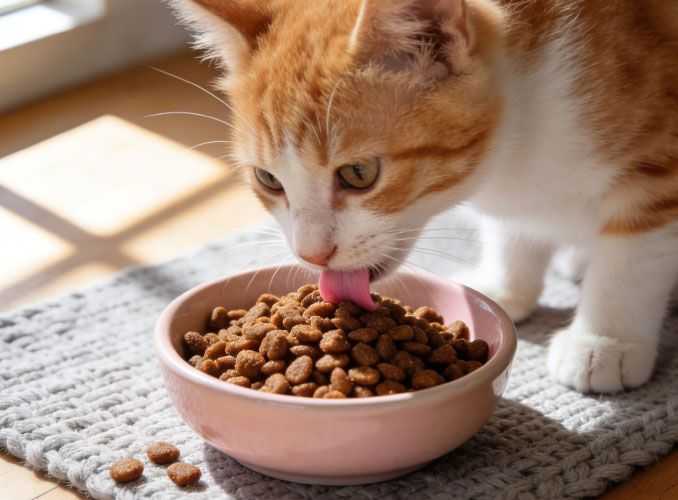
The Small Animal Clinical Nutrition Service at the University of Missouri(hereinafter referred to as the"Clinical Nutrition Center")states:"The simplest and most scientific way to meet a cat's nutritional needs is to provide them with a complete and balanced commercial cat food formulated by a professionally certified veterinary dietitian or an expert with a doctorate in animal nutrition."As strict carnivores,cats can only obtain their required nutrients from animal-based foods,which is the core reason why a vegetarian diet is absolutely unacceptable for cats.¹
This means that if a cat's daily diet consists of a complete and balanced commercial cat food,then human food as a snack does not provide any additional nutritional benefits.It is also crucial to note that excessive nutrient intake is not beneficial;exceeding a cat's nutritional needs not only fails to improve its health but may also harm it in some cases.
II.Potential Risks of Feeding Cats Human Food
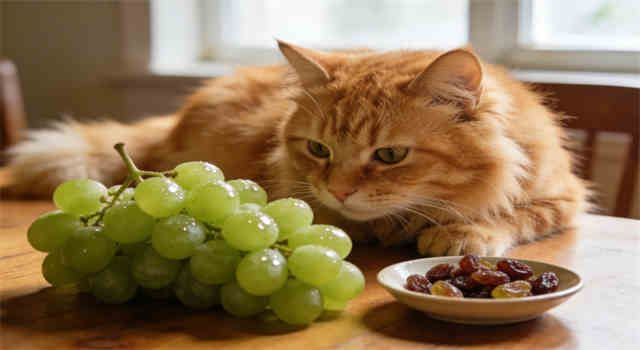
The Clinical Nutrition Center warns that many human foods have clear toxicity to cats,and this list is not yet complete—because many human foods have not undergone peer-reviewed studies,their toxicity to pets is not yet clearly defined.
While some human foods are generally considered safe for cats,the following precautions from the Clinical Nutrition Center must be strictly followed before feeding them to avoid potential risks:
-Limited Applicability:The"safe foods"listed only apply to cats in good health.If a cat has a specific medical condition(such as diabetes),these general safety rules no longer apply,and individualized dietary guidance from a veterinarian must be followed.
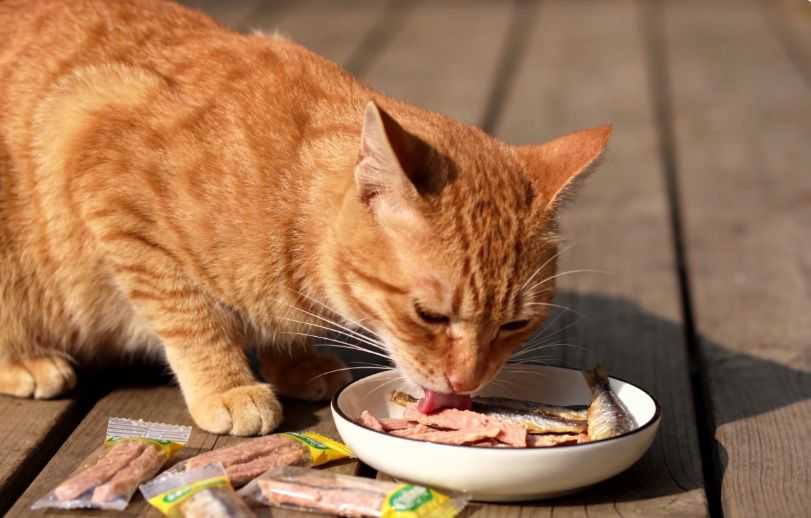
-Individual Tolerance Differences:Each cat's physical condition is unique,and their tolerance to various foods varies considerably.The Clinical Nutrition Center explains,"Individualized assessments are necessary for each cat.Some cats may experience no adverse reactions to a particular food,while others may experience vomiting,diarrhea,or other adverse reactions after consuming the same food."
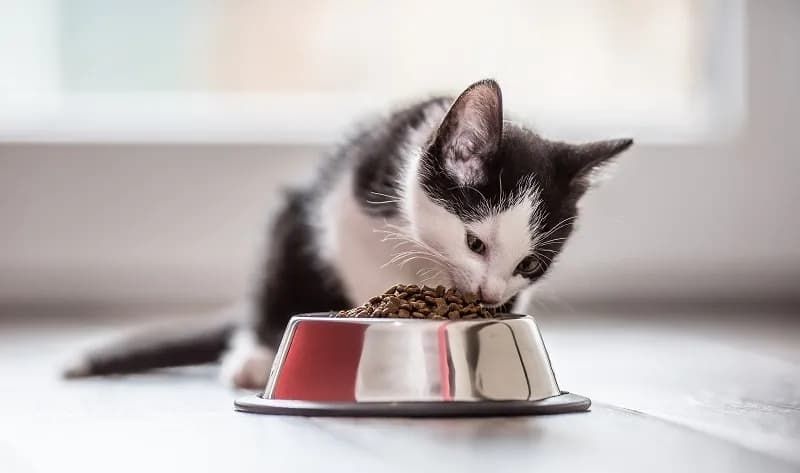
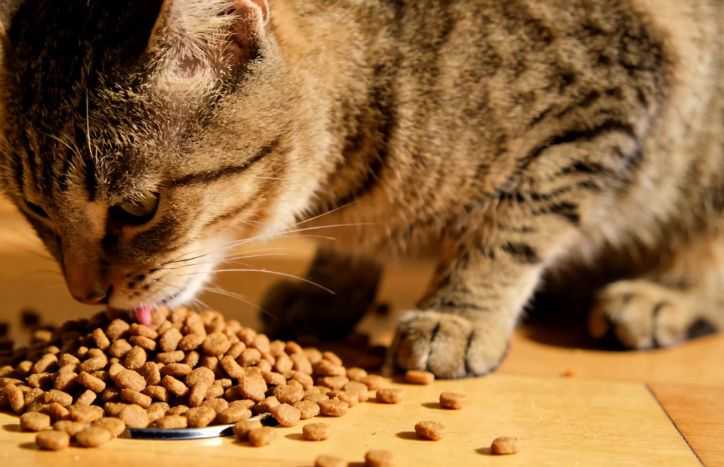
-Controlled Feeding Amount and Frequency:The vast majority of a cat's daily calorie needs should come from commercially prepared cat food that provides complete nutrition.Human food should only be given as a treat,occasionally,and in strictly controlled portions.The Clinical Nutrition Center explicitly states:"If owners plan to feed their cats human food or other treats,the calories from these should not exceed 10%of the cat's total daily calorie intake."For example,if a cat needs 250 calories per day,the calories from treats or nutritionally unbalanced foods should not exceed 25 calories.
-Closely monitor reactions:Even human foods considered"safe"can trigger unexpected adverse reactions in cats.Therefore,after introducing any new human food,closely observe your cat for any signs of gastrointestinal upset(such as vomiting or diarrhea).It is recommended to introduce only one new food at a time.If the cat exhibits abnormal symptoms,the cause can be quickly identified.If you suspect your cat has an adverse reaction to any food on the"safe"list,contact your veterinarian immediately for consultation.
III.Human Foods Safe for Cats and Precautions
While the human foods listed below are generally considered safe for cats,to ensure the best possible health for your cat,it is recommended to consult a veterinarian before introducing any new food to confirm its feasibility based on your cat's individual health condition.
-Apples:While the flesh of apples is safe for cats,the seeds,stems,and leaves contain cyanide,which is toxic to cats.These harmful parts must be thoroughly removed before feeding.
-Bananas:Small amounts can be given to cats,but the peel must be removed beforehand,as banana peels are difficult for cats to digest and can easily cause intestinal blockages.

-Blueberries:Thoroughly rinse and remove the stems before feeding to avoid any residue or stems that could scratch the cat's digestive tract.
-Strawberries:Follow the same feeding guidelines as blueberries;thoroughly wash and remove the stems before feeding to cats.
-Watermelon:Small amounts can be given as a hydrating treat.Always remove the seeds and rind before feeding to prevent intestinal blockages caused by seeds and discomfort caused by the difficult-to-digest rind.
-Peanut butter:Small amounts can be given,but the ingredient list must be checked beforehand to ensure it does not contain xylitol—this common sweetener is known to be toxic to cats and must be strictly avoided.
-Hard-boiled eggs:Raw eggs may carry harmful bacteria such as Salmonella,easily causing infection and illness in cats.Therefore,eggs must be thoroughly cooked before feeding,and avoid adding salt,oil,or other seasonings.
-Toast:While simple toast is relatively safe for cats,raw dough containing yeast may produce toxins.Many breads also contain ingredients that are toxic to cats,such as raisins,garlic,and chocolate,which must be strictly avoided.Generally speaking,bread should follow the principle of"the simpler the ingredients,the better."
-Cheese:While cheese itself may be safe for some cats,feeding it as a treat carries several potential risks—for example,many cats are lactose intolerant or allergic to dairy products,and may experience gastrointestinal discomfort such as diarrhea and vomiting after eating it.It should be fed with caution and close observation is necessary.
IV.Summary:Core Principles for Feeding Cats Human Food
Core Conclusion:For cats,a nutritionally balanced staple food is far more important than various treats.The edible human foods listed above are not essential components of a cat's complete and balanced diet and do not need to be deliberately added to their daily food.
If owners are unsure whether their cat is getting enough nutrition from its daily diet,it is recommended to consult a veterinarian promptly.The veterinarian will develop a personalized healthy diet plan based on the cat's age,weight,and health condition.Any questions owners have about their cat's diet,or concerns about the feasibility of feeding certain treats,should be discussed in detail with a veterinarian to ensure the cat's diet is safe and nutritionally balanced.