Information
- Home
- cats

The health needs of cats who live entirely inside versus those who venture outdoors are quite distinct—it all comes down to how differently they spend their days. Cats that go outside face more hazards from traffic, other animals, and the general environment, while indoor-only cats often deal with issues tied to a more sedentary routine, most notably weight gain from not moving around as much. This gap in lifestyle means what you put in their bowl needs to reflect those differences, so each cat gets the nutrition that genuinely matches their daily reality.
What's the upside of keeping a cat strictly indoors?
 Well, you get a much firmer grip on their wellbeing. Without run-ins with stray or neighbourhood cats, the chance of catching infectious illnesses drops significantly (never zero, but very low). Staying inside also spares you the headaches that come when a cat roams into someone else's yard—territorial scraps and neighbourly tensions tend to evaporate.
What sort of food suits an indoor cat?
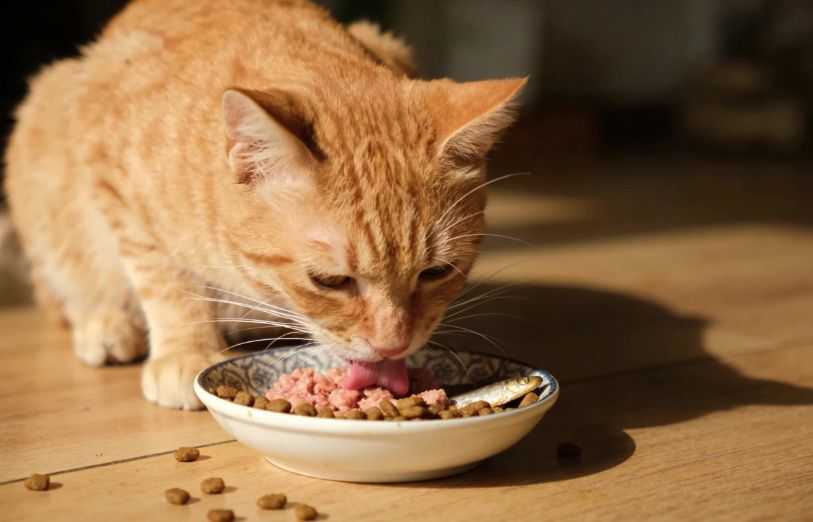
Their lower energy output should be top of mind when you're browsing the pet food aisle. Quite a few premium cat food brands have put together recipes specifically aimed at indoor felines. These aren't just marketing gimmicks—they actually tweak the balance of fats, proteins, carbs, vitamins and minerals to suit a less active body. If you're trying to be more deliberate about your cat's nutrition, going with one of these targeted formulas is a solid move.
How much should you actually be serving?
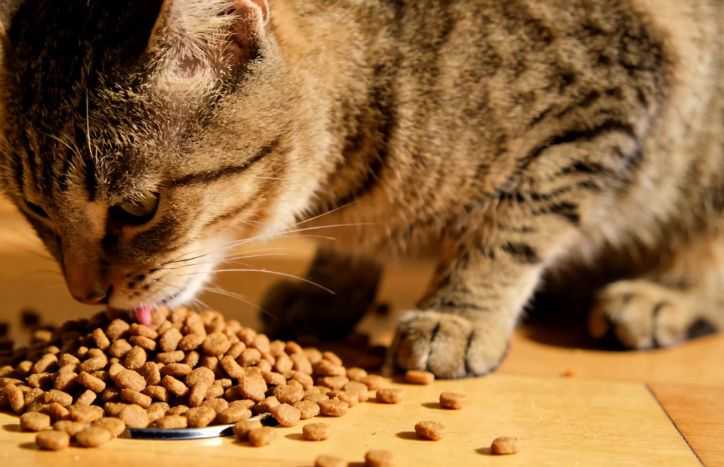
Cats, much like people, can absolutely eat past the point of being full. This gets particularly tricky with indoor cats since they simply aren't burning calories the way an outdoor explorer would, paving the way for obesity and its associated troubles. Start with the portion guide printed on the packaging, and make a point of checking that nobody else in the household is sneakily topping up the dish. Honestly, the smoothest approach is to put one person in charge of feeding each week so there's no confusion about how much the cat has actually eaten.
What else does an indoor cat need?
Sure, staying in means dodging a lot of outdoor nasties, but it also brings a higher likelihood of those lifestyle-linked health snags. Since their movement is naturally more limited, you've got to compensate with things that get them physically and mentally engaged. Scratching posts, puzzle feeders, and interactive toys aren't just nice extras—they're pretty much non-negotiable for a content, healthy indoor cat.
Drop by your local Petbarn and chat with one of the team about picking out the right food match for your cat, no matter whether they claim the couch or the garden as their territory.