Information
- Home
- cats

Bringing a kitten or adult cat into your home is undoubtedly a joyous journey,but feeding-related questions and confusion can leave owners feeling overwhelmed.As cats age,their physiological functions change,and their nutritional needs dynamically adjust.Therefore,scientifically determining feeding frequency becomes a core aspect of cat care.When planning a cat's feeding program,two key factors must be considered:first,the specific nutritional needs corresponding to the cat's life stage;and second,the feeding method chosen by the owner.Fortunately,meticulously planning feeding frequency and methods can lay a solid foundation for a cat's health and longevity.
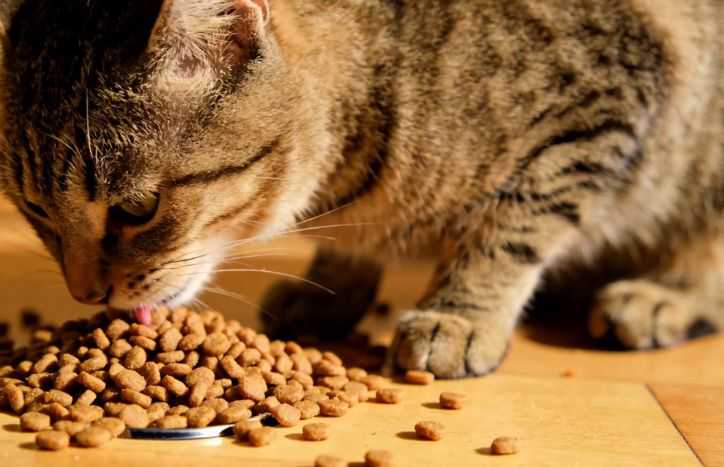
A cat's eating habits change significantly with age,and its nutritional needs evolve accordingly."We have established that kittens and breeding mothers(especially pregnant and lactating mothers)have higher nutrient density requirements than adult cats in their maintenance phase,"points out Cailin Heinze,PhD in Veterinary Nutrition,MSc,and a certified expert by the American Veterinary Nutrition Association.Furthermore,Heinz added that current research on the differences in nutritional needs between one-year-old adult cats and senior cats is still relatively scarce,making it difficult to provide owners with precise,differentiated guidance."Although there are many types of senior cat food on the market,these products lack unified formula standards and nutritional compatibility guidelines,resulting in inconsistent quality,"Heinz emphasized.
Heinz stated that not all senior cats are suitable for senior-specific food;suitability needs to be determined based on individual circumstances.Her core advice is that a cat's diet should follow the"individualized principle,"taking into account factors such as age,weight,and health status to develop a targeted nutritional supply plan appropriate for their current life stage.
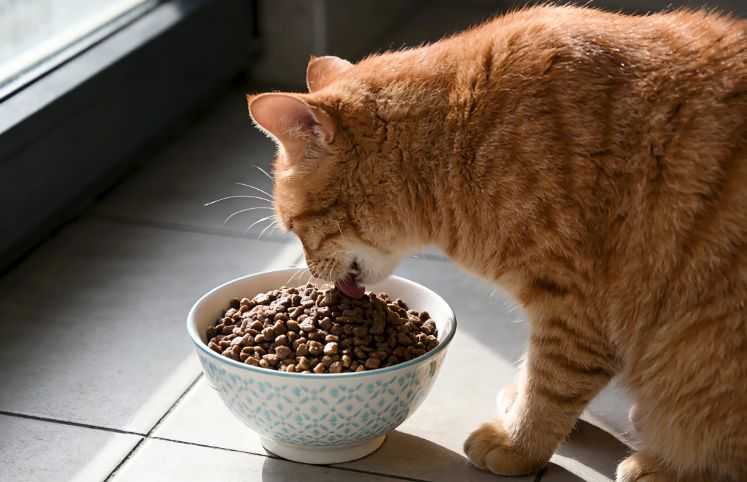
A cat's starting weight and health status will also affect the determination of feeding types,dosages,and frequencies.Consulting a veterinarian for professional guidance is always the safest option,especially when the cat needs to eat a therapeutic prescription diet or has a chronic disease;strict adherence to the veterinarian's instructions is crucial.Owners can also use professional cat food calculators to select suitable food types based on their cat's specific situation.
Owners need to determine their cat's feeding pattern in advance.Once the plan is established,the cat will gradually form a fixed eating habit,and frequent changes can easily cause stress and digestive disorders.Therefore,it is necessary to maintain the stability of the feeding pattern as much as possible.
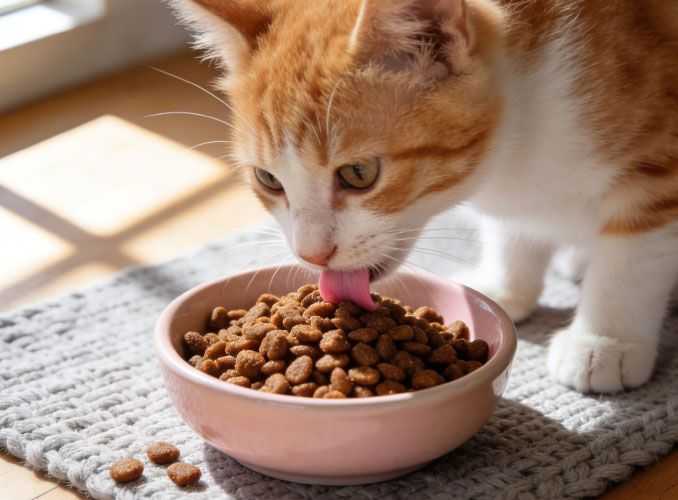
If the cat shows signs of persistent hunger and frequent begging,owners can consider adopting a free-feeding pattern.In this pattern,dry cat food is placed in the food bowl throughout the day,and the cat can eat small amounts frequently according to its own hunger.It is important to note that only dry cat food should be used for free-feeding;wet cat food is prone to bacterial growth,oxidation,and spoilage,and long-term storage can lead to gastrointestinal diseases in cats.However,this pattern should be used with caution:free-feeding can easily lead to overeating,resulting in obesity,fatty liver,and other health problems.Heinz reminds us that obesity has become a common health risk in adult cats and should be taken seriously by owners.
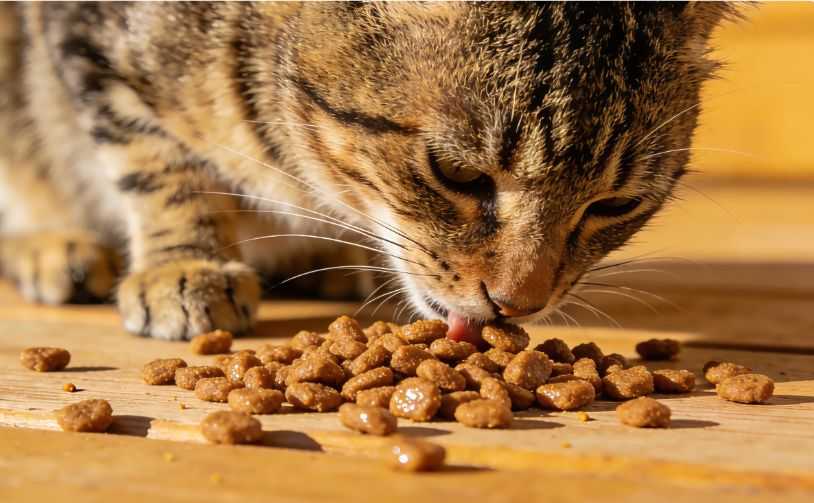
Furthermore,under a free-feeding pattern,owners may find it difficult to detect abnormal changes in the cat's food intake and eating rhythm in a timely manner.These changes are often early signs of discomfort or illness in cats.If this mode is chosen,the total daily amount of cat food still needs to be allocated in fixed quantities.It is recommended to fill the food bowl only once a day to guide the cat to develop a habit of eating small meals frequently and avoid overeating.Furthermore,if the cat later needs to switch to timed feeding due to health needs(such as weight loss or medical treatment),cats on a free-feeding model may find it difficult to adapt quickly,and owners need to prepare for a gradual transition in advance.
It is recommended to adopt a timed and quantity-based feeding model(also known as a separate meal feeding model)from kittenhood.Provide kittens(or adult cats)with dry or wet cat food at a fixed time each day.This method allows for precise monitoring of the cat's food intake and eating speed,enabling timely detection of abnormal eating habits.This is especially useful in multi-cat households,effectively preventing weight differences and stress reactions caused by cats fighting for food and uneven feeding.However,some cats may exhibit begging behavior between meals;owners need to maintain a consistent feeding rhythm and avoid arbitrarily adding extra meals to disrupt their eating patterns.Most veterinary experts recommend that kittens be fed up to three times a day to meet their energy needs during rapid growth and development.Once kittens reach adulthood(around one year old),feeding twice a day is sufficient to meet their physiological needs.
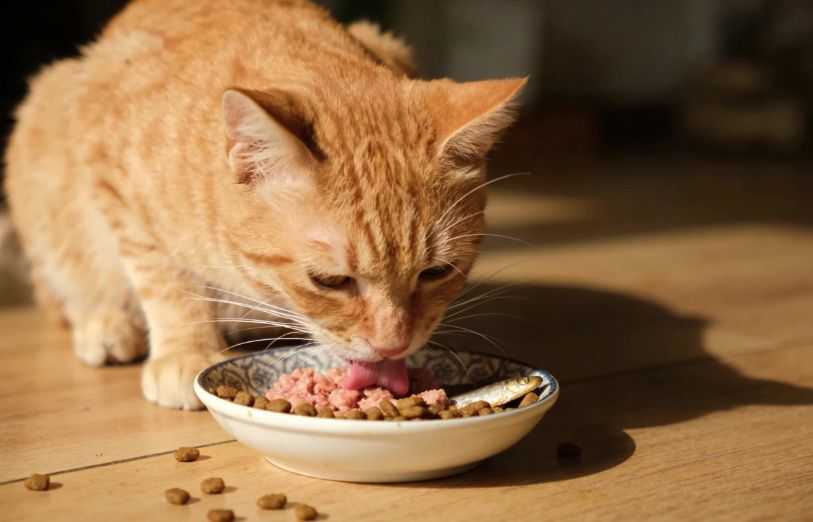
A mixed feeding approach combining free-feeding and timed,measured feeding is also recommended.This approach offers flexibility and control and is currently considered a preferred method.Specifically,a suggested approach is to feed wet food(canned food)twice a day at fixed times,while also providing a small amount of dry food throughout the day.This allows owners to control core nutrient intake while preserving the kitten's freedom to eat independently and alleviating hunger between meals.Furthermore,introducing both dry and wet food simultaneously is beneficial for a kitten's long-term health.Heinz explains that kittens develop fixed food preferences during puppies,and their diets may need adjustment later in life due to health issues(such as kidney disease or oral problems).Introducing both dry and wet food during puppyhood increases the flexibility of future dietary adjustments and prevents kittens from refusing to switch foods due to a single preference.
Regardless of the feeding method chosen,a quiet,undisturbed eating area must be provided for your cat.Cats are naturally alert and prefer to eat alone;a noisy environment can cause stress,affecting their appetite and digestion.In multi-cat households,each cat should have its own food and water bowl,with a distance of at least 1 meter between them to prevent cross-contamination and food-grabbing behavior.
Educational feeders are an excellent way to enhance the enjoyment of eating for your cat.They simulate the natural foraging instincts of cats in the wild,requiring slight"effort"to obtain food.This can alleviate boredom and slow down eating,preventing overeating and indigestion.Furthermore,any uneaten portions of either dry or wet cat food should be discarded promptly.Dry cat food is prone to moisture absorption and oxidation if exposed to air for extended periods,while wet cat food should be disposed of within 1-2 hours of feeding to ensure your cat always receives fresh and safe food.