Information
- Home
- cats
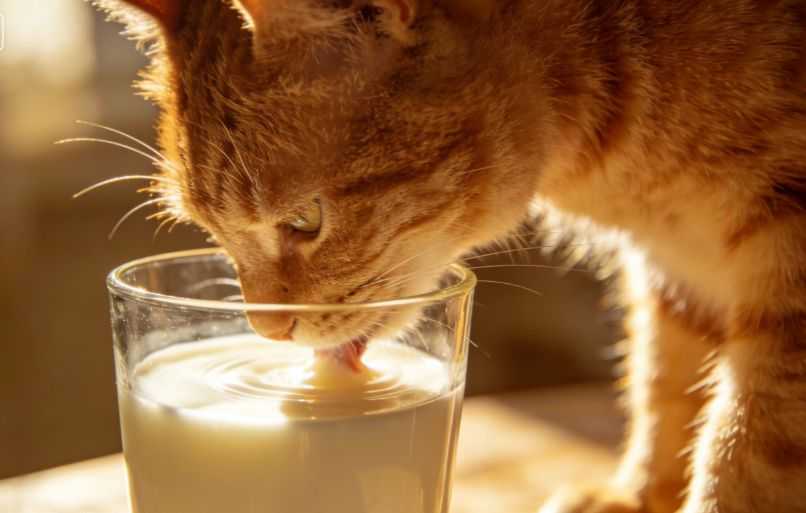
Picture books read in childhood might lead to the misconception that"cats love drinking milk."While some cats do show a preference for milk,it's not an ideal source of nutrition for them.Cats commonly suffer from lactose intolerance,meaning their digestive systems cannot properly break down the lactose in milk.Therefore,it's essential to fully understand the potential health effects on cats before feeding them milk.
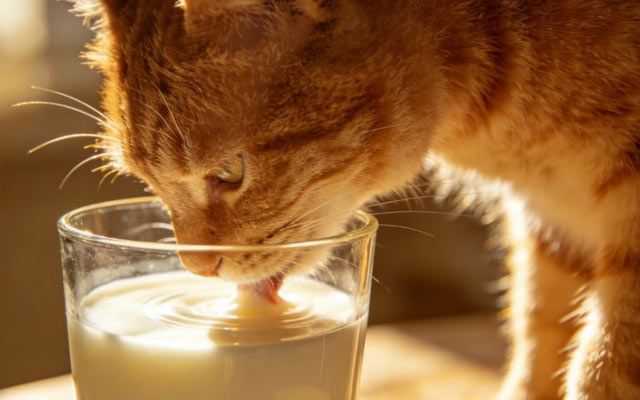
Can cats drink milk?
Like many,veterinary nutritionist Cailin Heinze,a Master of Veterinary Medicine and a certified expert from the American Academy of Veterinary Nutrition,recalls feeding her family cat milk during her childhood."When I was a child,my father would let the cat lick the milk from his cereal bowl every day,a habit that lasted for 15 years,"she said.
However,Dr.Heinze emphasizes that a cat's willingness to drink dairy products doesn't mean they are suited to them.Cats inherently suffer from lactose intolerance—meaning their digestive systems cannot properly process the lactose in milk,leading to digestive disorders.She further pointed out that lactose intolerance is a common physiological phenomenon in almost all adult mammals,including humans.
The Impact of Lactose Intolerance on Cats
"The most common symptoms of lactose intolerance are gastrointestinal upset,such as diarrhea and vomiting,"said Dr.Heinz,noting that some cats may not show obvious symptoms.She added that pet owners may also overlook these signs of intolerance,especially for cats that are frequently outdoors,whose bowel movements are difficult to monitor continuously,a significant difference from cats that consistently use litter boxes and have predictable bowel patterns.
Dr.Heinz explained why lactose causes discomfort to the digestive system of cats(and humans):"Lactose is a sugar;undigested lactose absorbs water in the intestines,leading to diarrhea;at the same time,this lactose ferments in the intestines,causing bloating and gas."Therefore,even if a cat enjoys drinking milk,the health risks are not worthwhile for either the owner or the cat.
Why is my cat not sick even though it drinks milk?
Even if a cat doesn't show any adverse symptoms after drinking milk—similar to individual differences in humans,some cats digest milk better than others—feeding milk offers no real nutritional benefit.Kittens feed on their mother's milk before weaning and gradually lose the ability to digest lactose afterward.Although some studies suggest cats may have better digestion of cheese and other dairy products,professionals like Dr.Heinz caution that a cat's preference for a particular food is not a valid reason to feed it that food.
"If you insist on regularly feeding your cat milk,you need to calculate the additional calories it adds to their daily diet to avoid causing weight gain,"says Dr.Heinz,noting that obesity is one of the major health risks for cats."And it's important to remember that milk does not provide cats with complete and balanced nutrition."
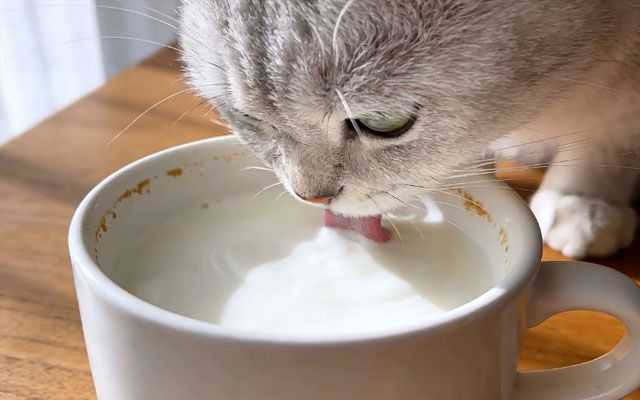
What snacks are suitable for cats besides milk?
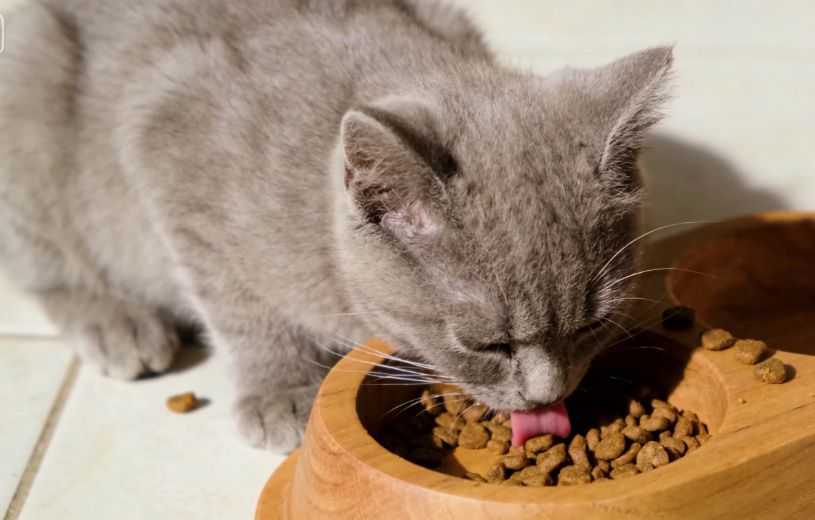
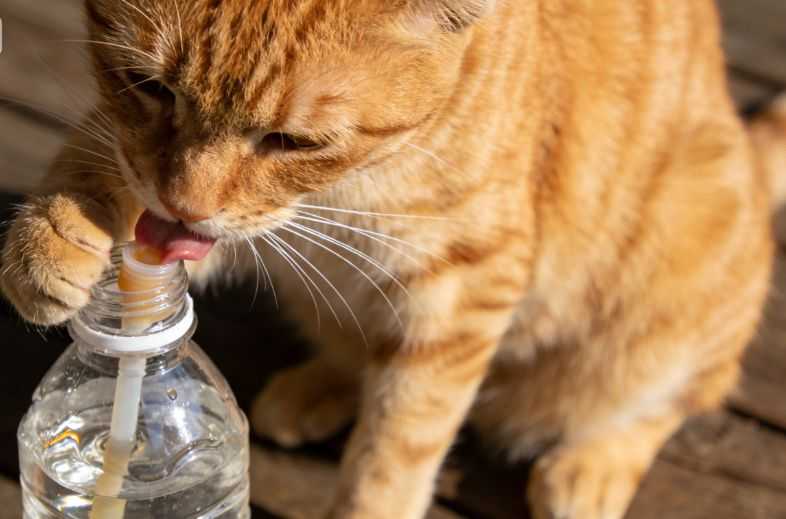
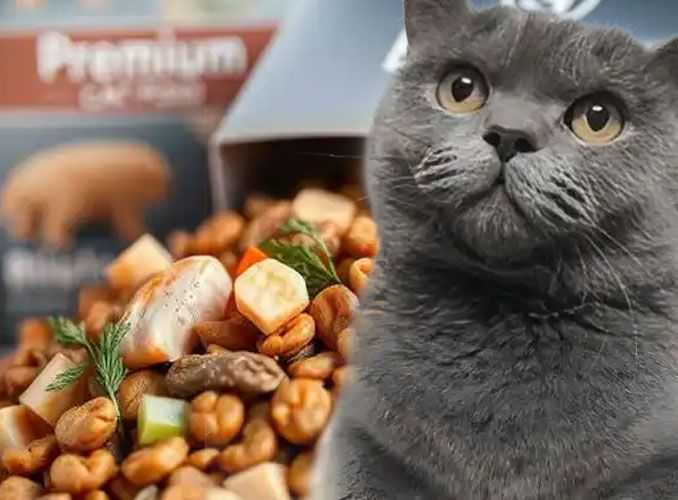
A cat's dietary needs are actually quite simple and clear:they need fresh,clean drinking water daily,and a nutritionally balanced diet rich in animal protein—as cats are strict carnivores,their diet must include meat.If you plan to feed your cat milk,treat it as a treat,starting with small amounts and closely observing your cat's reaction.
Dr.Heinz recommends that treats(including milk)for cats should follow calorie control principles,with intake not exceeding 10%of their total daily calories,typically no more than 20 to 30 calories per day.A cup of skim milk contains 83 calories,while a cup of whole milk contains 149 calories;therefore,very small amounts are sufficient to satisfy your cat's cravings.
For kittens still requiring breast milk,use formula specifically formulated for kittens,not regular cow's milk.Be mindful of the calorie increase from other cat milk products sold in the pet food section.It is recommended to consult a veterinarian or a certified veterinary nutritionist to develop a dietary plan tailored to your cat's health needs.