Information
- Home
- cats

Catnip is a well-known plant,but not everyone is clear about its botanical properties and its specific effects on cats'emotions and behavior.
So,what exactly is catnip?The following will detail the plant's characteristics and its specific effects on cats,providing comprehensive knowledge for cat owners.
I.What is Catnip?
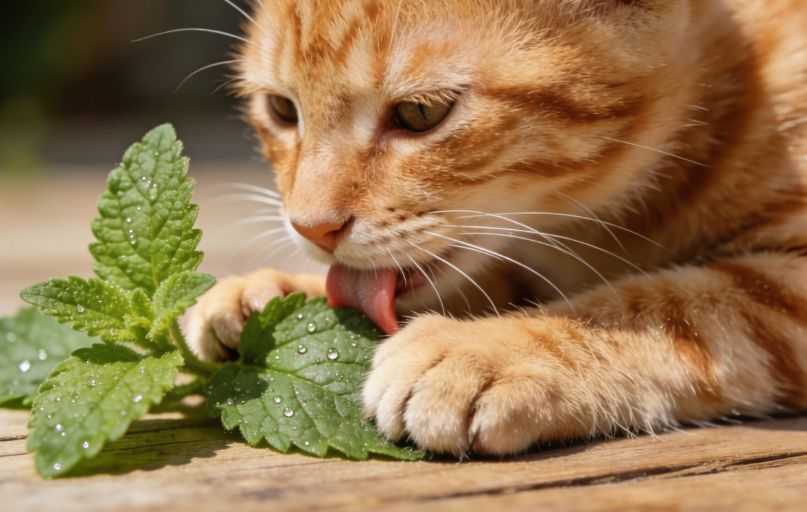
Catnip,scientifically known as*Nepeta cataria*,is a common herbaceous plant in the mint family.It is easy to grow in North America,with light green leaves and pale purple flowers.
Catnip leaves can be used to make tea,and its flowers are recorded to have cough-relieving effects;it is also a core ingredient in many natural insect repellents,giving it practical value.
II.The Mechanism of Action of Catnip on Cats
Catnip leaves contain an oily substance called nepetalactone,which is a key factor in altering cat behavior.It's important to note that cats must come into contact with this substance through their sense of smell to produce a corresponding response.
Cats possess a specialized olfactory organ on their palate called the vomeronasal gland.This organ transmits odor information collected from the cat's nose and mouth to the brain(which explains why cats display specific facial expressions when they smell certain odors).All of catnip's effects on cats are achieved through this organ.
III.Why Cats Like Catnip
Nepetalactone in catnip can mimic feline sex hormones.Therefore,cats that react to this substance often exhibit behavioral characteristics similar to female cats in heat(however,both male and female cats are affected by catnip,with no gender difference).
When affected by catnip,cats may exhibit obvious affectionate behavior,accompanied by a relaxed and happy state;some cats may show active behavior,such as frequent play,and in rare cases,even mild aggression.
IV.Proper Use of Catnip
Catnip comes in various forms,and owners can choose according to their cat's preferences and actual needs.Specific types include:
-Fresh catnip(owners can grow their own and use it at any time);
-Dried catnip;
-Catnip spray or bubbles;
-Cat toys filled with dried catnip.
For cats that may experience gastrointestinal upset from accidentally ingesting catnip,catnip spray is a suitable option.Owners can spray it on the cat's favorite toys,cat trees,or scratching posts to prevent direct ingestion.Additionally,a small amount of dried catnip can be sprinkled on the cat's frequently used furniture,or toys can be rolled in catnip to increase the cat's interest in the toys.
Some veterinarians suggest that if a cat needs to be left alone at home for an extended period,catnip can help alleviate separation anxiety.For cats that respond positively to catnip,this substance can not only reduce anxiety but also alleviate mild pain to some extent.
V.The Effectiveness of Catnip in Cats
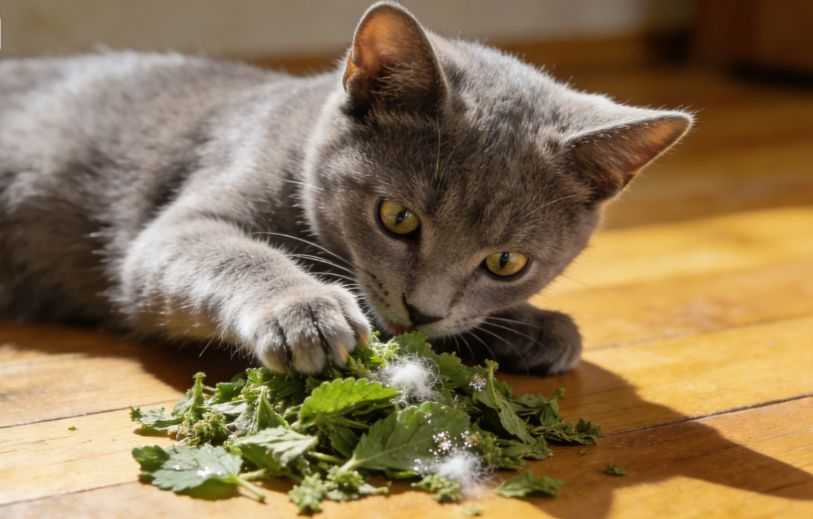
Not all cats will react to the active ingredient in catnip(nepetalactone).Veterinary studies indicate that approximately 60%of cats will show noticeable behavioral changes after exposure to catnip.If your cat doesn't respond to catnip,try using silverleaf chamomile or valerian,as these plants have similar effects and may elicit a positive response.
VI.Duration of Catnip Effects
The duration of catnip's effects on cats varies from person to person.Typically,the related behaviors observed after catnip exposure last about 10 minutes before gradually fading.To allow your cat to experience the effects of catnip again,you should usually keep them away from the scent for about 30 minutes.
Furthermore,the potency of catnip weakens over time,so it is recommended to store it in an airtight container to maintain its freshness and ensure its effectiveness for your cat.
VII.Effects and Dosage Recommendations of Excessive Catnip Use
Cats will not be poisoned by excessive contact with or ingestion of catnip.However,excessive use of catnip may cause mild health problems in cats,such as vomiting,diarrhea,dizziness,or difficulty walking.Owners should pay close attention to these symptoms.
(I)Appropriate Dosage of Catnip
It is recommended to limit the amount of catnip given to your cat to no more than one tablespoon per serving.Exceeding this amount may cause discomfort.If you are unsure about the appropriate dosage for your cat,consult a veterinarian for professional dosage advice based on your cat's age,weight,and physical condition.
It is important to note that fresh catnip is more potent than dried catnip.Therefore,when using fresh catnip,do not feed your cat too much.Furthermore,high-concentration catnip oil is extremely potent and should be avoided to prevent adverse effects on your cat.
VIII.Frequently Asked Questions about Catnip
(I)Does catnip excite cats?
Catnip can significantly affect a cat's behavior,causing them to exhibit euphoria and pleasure.Cats affected by catnip may roll around,play,drool,and meow frequently.Some cats may also show signs of hyperactivity or lethargy.
While these behaviors may resemble what humans call"excitement,"it's important to clarify that the"excitatory"substances that actually cause abnormal symptoms in cats,such as unsteady gait,disorientation,vomiting,and dilated pupils,are unrelated to catnip.Cats typically do not exhibit these abnormal symptoms after exposure to catnip.
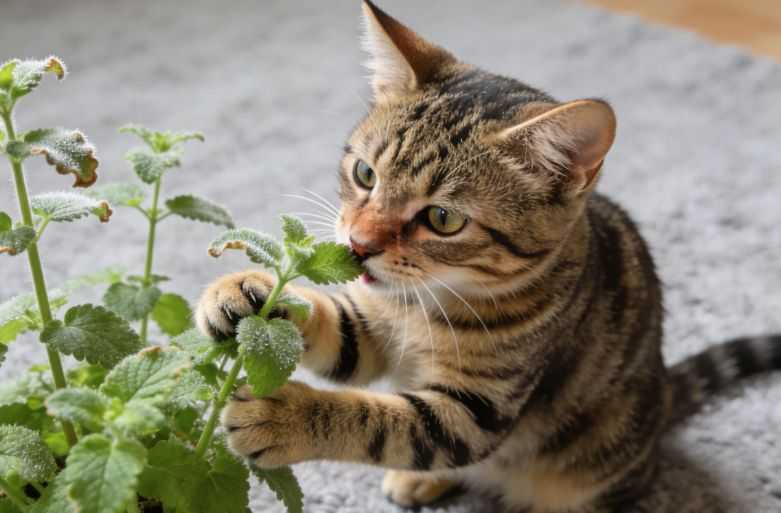
(II)Can kittens be exposed to catnip?
Catnip poses no harm to the health of kittens.However,based on the growth pattern of most cats,most kittens will only show a noticeable reaction to catnip between 6 months and 1 year of age.There are exceptions,however,where some kittens may react to catnip at a much earlier stage.
(III)Can cats eat catnip?
Cats can safely consume catnip;in moderation,it may even offer some benefits to their digestive system.In fact,catnip has traditionally been used in humans to treat diarrhea.
However,owners should be careful to prevent cats from consuming large amounts of catnip,as excessive consumption may lead to indigestion and other discomfort.