Information
- Home
- cats

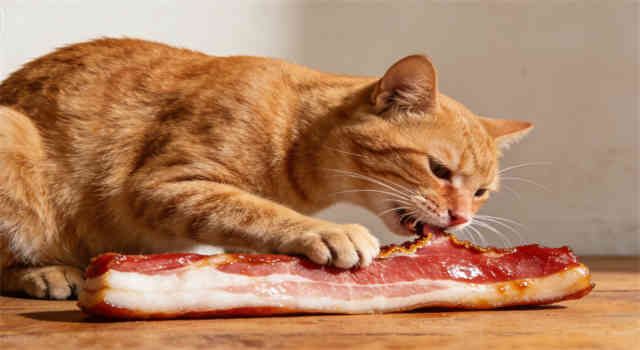
Ham is a staple in the holiday diet for some Americans,while cured pork is a common ingredient in the daily diet for others.You might assume that cats,being carnivores,can also eat ham,but the reality is not so simple—and depending on how ham is cooked,it can even be harmful to a cat's health.
Is ham safe for cats to eat?
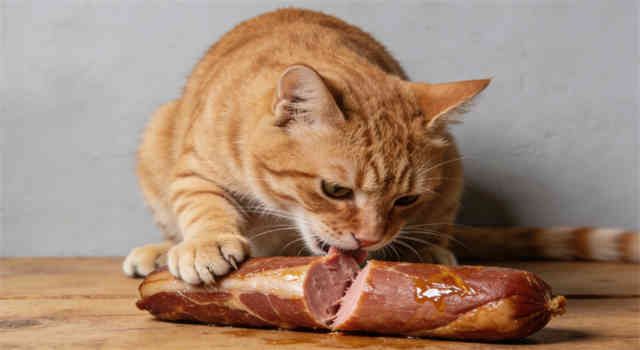
Ham itself is not toxic to cats,but it is not an ideal food for them.According to research from the American Association of Feline Practitioners,cats are strict carnivores,and their healthy growth and happy lives depend on protein intake.Therefore,pork like ham might seem to meet a cat's dietary needs,but this is not always the case.
"For healthy cats,eating one or two small pieces of ham usually doesn't cause any obvious problems,"says Dr.Renee Schmid,a veterinary toxicologist at the Pet Poison Helpline.
Dr.Schmid further explained that if a cat refuses medication,a small amount of ham can be used as an incentive to help it take the medication.However,ham is not part of a cat's balanced diet.It is high in fat and salt,and some ham may contain added seasonings or be cooked using methods that can irritate a cat's digestive system.Onions,garlic,and some other seasonings are harmful to cats.
How much ham is harmful to a cat?
The veterinary industry generally recommends that human food and other treats in addition to a cat's regular balanced diet should not exceed 10%of its total daily calorie intake.This percentage is relatively low.According to Banfield Pet Hospital,a slice of cooked ham with 46 calories is equivalent to 20%of a typical cat's daily calorie intake.
Dr.Schmid points out that excessive consumption of ham can cause a range of health problems:"Eating large amounts of ham,especially daily,increases the risk of gastrointestinal upset and pancreatitis in cats."
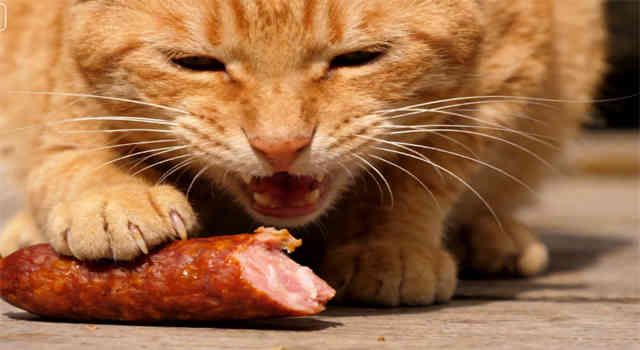
If your cat eats ham from the table without permission or supervision during holidays such as Thanksgiving or Christmas,closely observe it for the following symptoms.If your cat does not quickly return to normal after eating,consult a veterinarian immediately.
-Lethargy,lethargy
-Loss of appetite(refusal to eat)
-Hiding(Dr.Schmid states this is a typical sign of discomfort in cats)
-Abdominal pain
-Vomiting
-Diarrhea
The high salt content of ham is particularly detrimental to cats with heart disease or other chronic illnesses.Therefore,Dr.Schmid recommends that owners of senior cats avoid feeding them ham.
Is ham bone safe for cats?
Dr.Schmid clearly states that cat owners should avoid feeding their cats any bones(bones pose a choking risk).While feral cats may consume bones as part of their prey,there are safer ways to supplement the nutrition of domestic cats.
“Any natural bone can splinter and damage a cat’s esophagus,stomach,or intestines,”she said.“Ham bones are generally more brittle and prone to splintering than other bones like chicken bones,especially cooked ham bones,which carry an even higher risk of breakage.”
Suitable Human Food for Healthy Cats
Not all human food is harmful to cats,but generally,a balanced cat food that meets veterinary recommendations will provide all the necessary nutrients.If you wish to share treats with your cat,the following cat-friendly human foods are generally safe for cats without pre-existing health conditions to consume in moderation:
-Apples
-Bananas
-Blueberries
-Strawberries
-Watermelon
-Peanut butter without xylitol
-Hard-boiled eggs
-Toast
-Broccoli
If this is the first time you are introducing a new food or treat to your cat,start with a small amount.If your cat shows no adverse reactions,you can consider introducing it more frequently.If you have any questions about your cat's nutritional needs,it is recommended that you consult a veterinarian promptly.
Harmful Human Foods to Keep Your Cat Away
Please ensure your cat is kept away from the following toxic human foods.Whether you accidentally feed them these foods or your cat steals them from the kitchen counter when you're not looking,these foods can harm your cat's health.
-Chocolate
-Citrus fruits
-Coconut meat or coconut water
-Coffee
-Grapes or raisins
-Raw eggs,raw fish,or undercooked meat
-Raw salt
-Foods containing xylitol(a common sugar substitute)
-Onions and garlic