Information
- Home
- cats
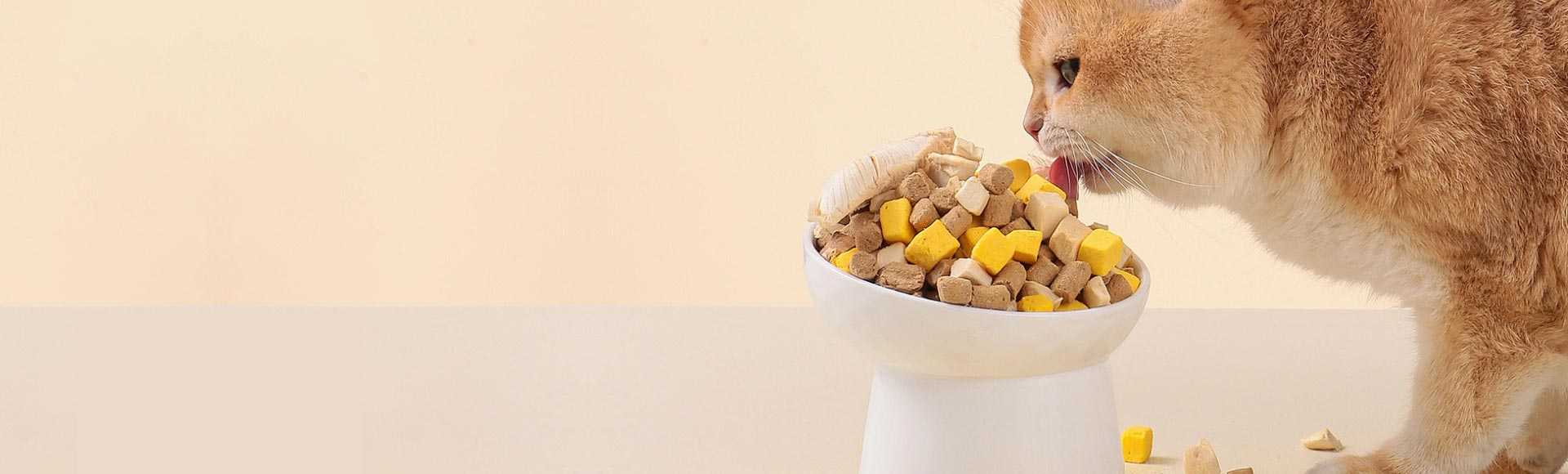
As cats transition from adulthood to old age,they undergo a series of physiological and psychological changes.Their bodily functions gradually decline,and their nutritional needs change accordingly.Therefore,regular adult cat food is often insufficient to meet the specific needs of senior cats.Specialized cat food designed for seniors can specifically address their nutritional requirements,improving their quality of life and even potentially extending their lifespan.
As cats age,various bodily functions decline,making it significantly more difficult to maintain a healthy physique and muscle mass.Senior cats commonly experience loss of appetite;chronic underfeeding can lead to mobility issues and abnormal weight loss.Simultaneously,their thermoregulation weakens,their immune system declines,and their risk of contracting various diseases increases dramatically.
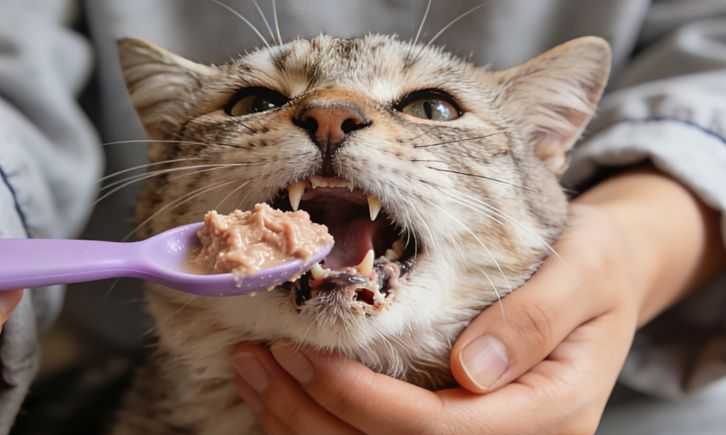
Furthermore,senior cats groom themselves less frequently,potentially leading to vision loss,weakened kidney function,and poor coat condition.This means that senior cats require more targeted care for their eyes,internal organs,and skin compared to younger cats.Simultaneously,their heart,digestive system,and brain function need to be strengthened through scientific nutrition to slow down the aging process.
While most senior cats share some common nutritional needs,each cat's physical condition is unique.Therefore,it is recommended to consult a veterinarian to develop the most suitable diet plan based on the cat's individual situation.Generally,most senior cats need to focus on supplementing the following nutrients:
-Lean protein and carbohydrates:These provide sufficient energy to help senior cats maintain a normal weight and energy level,preventing sluggishness due to muscle loss and insufficient energy.
-Moderate fat intake:Fat intake needs to be adjusted according to the senior cat's weight—underweight senior cats may need increased fat intake to supplement energy and gain weight;obese senior cats need reduced fat intake to control weight gain.Specific intake amounts can be determined by consulting a veterinarian.
-Dietary fiber:This helps promote intestinal motility in senior cats,improves digestive function,and prevents digestive system abnormalities such as constipation or diarrhea.
-Antioxidants:Antioxidants such as Vitamin E,Vitamin C,Vitamin A,carotenoids,and selenium effectively counteract free radical damage to a cat's cells,slowing age-related physiological decline and protecting overall health.
-Low Phosphorus Components:As cats age,their kidney function gradually declines,reducing their ability to excrete excess phosphorus.Excessive phosphorus intake can lead to calcium loss,damaging bone health and making bones brittle and fragile.Therefore,phosphorus intake should be controlled in the diet of senior cats.
-Omega-3 Fatty Acids:As a natural anti-inflammatory compound,Omega-3 fatty acids effectively protect the skin and coat health of senior cats,improving rough and dry fur caused by reduced grooming.They can also alleviate joint discomfort caused by arthritis,improving mobility and comfort.
-Carnitine:Carnitine is an amino acid derivative that plays an important role in maintaining muscle mass and protecting normal heart function in senior cats.It can slow muscle loss and reduce the risk of heart disease.
-Delicious and Easily Digestible Ingredients:Senior cats typically have a weaker appetite than adult cats.Adding ingredients like yeast extract to their cat food improves palatability and encourages them to eat.Simultaneously,senior cats'digestive functions decline,requiring easily digestible high-quality protein such as chicken,as well as probiotics,to reduce the burden on their digestive system and promote nutrient absorption.
Most senior cats have lower metabolic rates and lower activity levels than younger cats,therefore their daily calorie requirements are relatively lower.Properly controlling calorie intake is key to maintaining a healthy weight in senior cats.
However,the specific amount of food each senior cat needs varies.Generally,a healthy adult cat needs 20 calories per pound of body weight per day,while a senior cat only needs about 15 calories per pound of body weight to meet its basic needs.Overweight senior cats need to have their food intake reduced to control their weight;sick or underweight senior cats need to have their food intake increased to provide sufficient nutrition and help them regain weight.
The type of cat food(dry or wet)also affects the amount of food a senior cat will eat.Wet food has a lower calorie density than dry food.Therefore,older cats may need to eat more wet food to meet their daily calorie requirements.
The best way to determine which food and portion size is best for your cat is to consult a veterinarian.A veterinarian can develop a scientifically sound and healthy diet plan based on the cat's age,weight,and overall health.
Regarding feeding frequency,most older cats prefer 3-4 small,frequent meals to avoid overfeeding and straining their digestive system.However,the specific frequency should be adjusted according to the cat's individual habits.Pet owners can allow their cats free access to dry food throughout the day.However,if treats are given,their intake should not exceed 10%of the cat's total daily calorie intake to avoid interfering with regular meals and causing nutritional imbalances.
Some older cats may not be able to obtain sufficient nutrients from their diet due to poor appetite or digestive issues,which can negatively impact their health in the long run.If you notice any of the following signs in your cat,it is recommended to consult a veterinarian as soon as possible to rule out malnutrition or other potential health problems:
-Abnormal coat:Hair loss,dull and brittle fur,tangles,etc.
-Digestive system abnormalities:Frequent diarrhea,constipation,or vomiting;
-Poor mental state:Lethargy,drowsiness,reluctance to move;
-Decreased immunity:Frequent recurrent infections such as skin infections and respiratory infections;
-Abnormal appetite:Significantly decreased appetite,anorexia,or overeating;
-Abnormal weight:Unexplained weight loss or gain;
-Abnormal behavior:Increased aggression,excessive fear,or confusion.
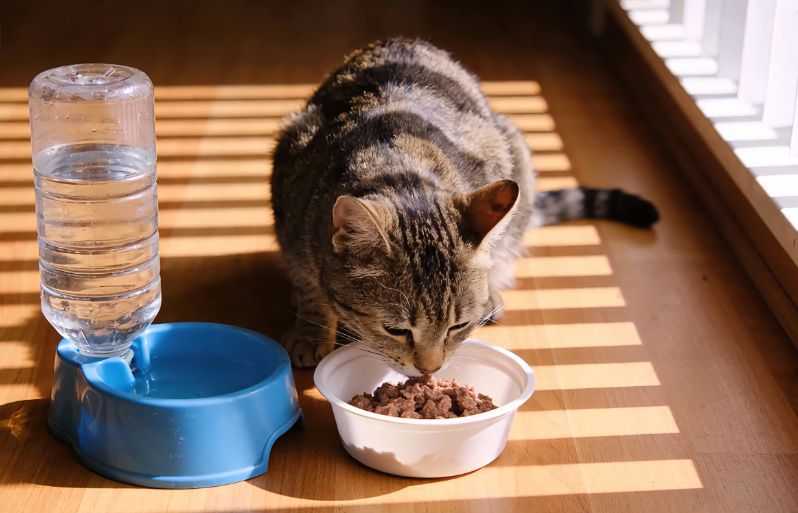
The veterinarian will conduct a professional examination to rule out medical causes and help you reassess your senior cat's diet plan,adjusting the nutritional balance to ensure adequate nutrient intake.
When choosing food for senior cats,it's recommended to first check if the food name includes the word"senior"and confirm that it meets the relevant standards of the American Association of Feed Control Officials(AAFCO)to ensure its nutritional composition is scientifically sound,safe,and meets the basic nutritional needs of senior cats.
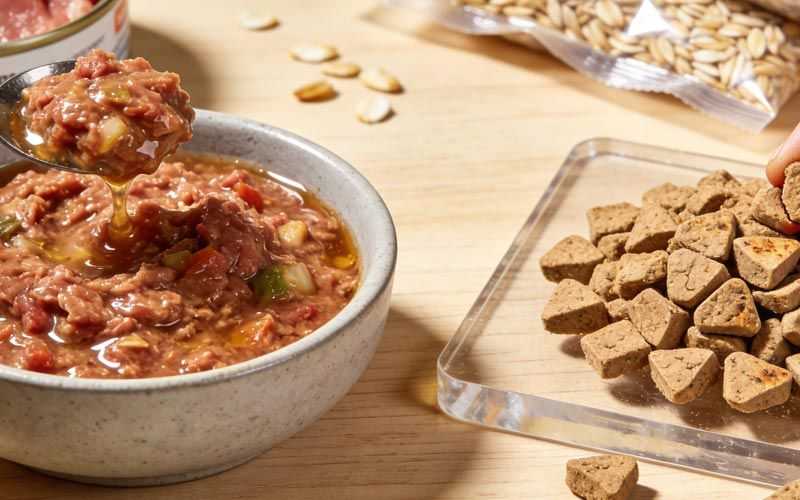
Senior cats can be fed wet food,dry food,or a combination of both.Wet food has a lower calorie density and higher water content,making it especially suitable for senior cats with kidney disease,helping them stay hydrated and reducing the burden on their kidneys.Additionally,wet food is lower in carbohydrates,making it more suitable for overweight senior cats trying to control their weight.If your senior cat is a picky eater,wet food is usually more palatable and easier for them to accept.
On the other hand,dry food offers better value for money,suitable for budget-conscious pet owners,and is easy to store and feed,allowing cats to eat freely throughout the day.
It's important to note that there is no universal diet plan for senior cats;specific choices should be made after consulting a veterinarian.Here are some recommended high-quality senior cat foods available on the market for your reference:
(I)Dry Cat Food Recommendations
-Hill's Science Diet Senior Cat Food(11 years and older)Chicken Formula Dry Cat Food;
-Purina Pro Plan Vital Systems 4-in-1 Salmon Rice Senior Cat Food;
-Royal Canin Feline Health Nutrition Senior Spayed/Neutered Cat Food(12 years and older)Dry Cat Food.
(II)Wet Cat Food Recommendations
-Hill's Science Diet Senior Cat Food(11 years and older)Healthy and Delicious Pan-Fried Tuna and Carrot Mixed Wet Cat Food;
-Purina Pro Plan Focus Adult Cat Food(11 years and older)Classic Salmon and Tuna Canned Food;
-Royal Canin Senior Cat Food(12 years and older)Gravy Flakes Wet Cat Food.
(III)Recommended Treats
-Inaba Churu(Tuna&Chicken Mixed Flavor)for Senior Cats 10 Years and Older;
-Purina Fancy Feast(All-Natural Handmade Tuna Soft Cat Treat).
When switching your cat's main diet from adult cat food to senior cat food,follow a gradual transition,usually taking about 7 days.Avoid introducing new foods too quickly,as this can irritate your cat's stomach and intestines,causing discomfort such as vomiting,diarrhea,and decreased appetite.
The specific transition steps are as follows:
1.Initial Transition(Days 1-2):Mix 25%senior cat food with 75%of the original adult cat food and feed evenly.Observe the cat's eating habits and gastrointestinal reactions.
2.Mid-Transition(Days 3-4):If the cat adapts well and shows no gastrointestinal discomfort,increase the proportion of senior cat food to 50%and mix it with the original adult cat food.
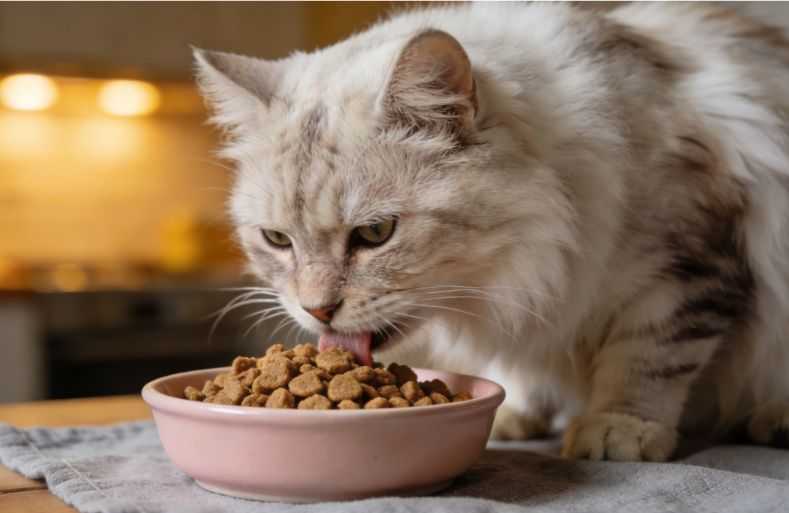
3.Late Transition(Days 5-6):Continue to increase the proportion of senior cat food to 75%and mix it with the original adult cat food.Continue to observe the cat's condition.
4.Complete Transition(Day 7):If the cat adapts well throughout the process,it can be completely switched to 100%senior cat food.
If the cat experiences vomiting,diarrhea,decreased appetite,or other discomfort during the transition,immediately restore the mixing ratio of the cat food to the previous stage and consult a veterinarian promptly to investigate the cause and adjust the transition plan.