Information
- Home
- cats

Nutritional supplements and vitamins are increasingly used in dog and cat care.It is particularly important to note that cats should never be given human nutritional supplements sold in pharmacies.Choosing supplements specifically formulated for a cat's health needs is crucial;otherwise,it may cause potential harm.Even nutritional supplements formulated for dogs may pose health risks to cats.
Commercial cat food certified by the American Association of Feed Control Officials(AAFCO)contains all the essential nutrients and vitamins needed for a cat's growth and development.However,if a cat has specific health problems,appropriate supplementation may provide additional support.If a cat is consistently fed raw or homemade food,it is recommended to consult a veterinarian to assess whether supplementation is needed to improve dietary balance.
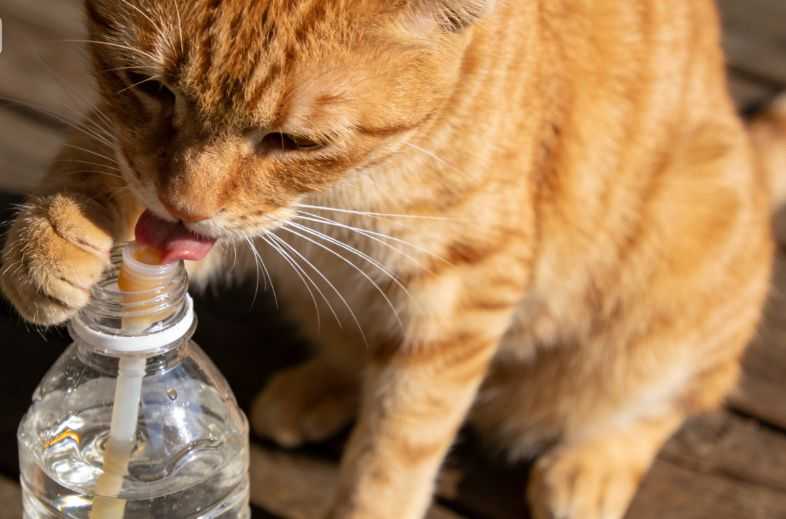
Veterinarians typically recommend nutritional supplements based on a cat's health condition to improve activity levels,promote digestion,maintain joint health,enhance immunity,and protect skin condition.The National Animal Nutrition Supplements Council(NASC)is a non-profit organization established to regulate the animal nutritional supplement market and ensure the safety and compliance of supplements given to pets.
The NASC Quality Program has established rigorous industry guidelines by strictly regulating the quality of raw materials and production standards for nutritional supplements.Therefore,products certified and approved by this organization will bear the NASC quality certification mark.Pet owners should prioritize products with this mark when purchasing vitamins or nutritional supplements for their cats to ensure product quality and safety.
Depending on the cat's health condition and life stage,even if they are regularly fed AAFCO-certified cat food,the appropriate use of nutritional supplements and vitamins may still provide additional health benefits.Nutritional supplements and vitamins contain various targeted ingredients that can act on different parts of the cat's body to help improve corresponding physiological functions.
It is particularly important to emphasize that even if pet owners have chosen a nutritional supplement for their cat,they must consult a veterinarian for an assessment of the supplement's safety and suitability to avoid health problems caused by improper supplementation.
The common core ingredients and functions of feline multivitamins are as follows:
-Taurine:An amino acid essential for feline heart health,effectively promoting normal heart function;
-B vitamins:Help cats produce red blood cells and maintain the health and stability of the digestive and nervous systems;
-Prebiotics and probiotics:Composed of various beneficial bacteria,they regulate the balance of feline gut microbiota and improve gastrointestinal digestion and absorption;
-Electrolytes:Help regulate the normal physiological functions of cats'nerves and muscles,help maintain adequate hydration,and prevent dehydration;
-Omega-3 fatty acids:Improve feline skin health,kidney function,and joint condition,while also promoting heart and brain development;
-Iron:Participates in the production of feline red blood cells and is a key element in maintaining normal hematopoietic function.Insufficient iron levels can easily lead to anemia in cats.
Feline joint supplements are mainly used to maintain joint health,reduce joint pain and inflammation,and repair damaged cartilage tissue.These supplements can be used for preventative joint health care and as an adjunct treatment for feline arthritis,autoimmune diseases,and other chronic conditions affecting joint function.
Their commonly used core ingredients and their functions are as follows:
-Glucosamine:Protects articular cartilage cells,provides support to the joint,and is an important component in repairing damaged cartilage cells;
-Chondroitin:Helps protect cartilage cells,promotes the repair and regeneration of damaged cartilage tissue,and slows down joint function degeneration;
-MSM(methylsulfonylmethane):A natural sulfur source with natural anti-inflammatory and antioxidant properties,which can reduce joint inflammation and pain;
-Green-lipped mussel:Can relieve joint pain,inhibit the production of inflammatory chemicals in the body,and reduce joint inflammation;
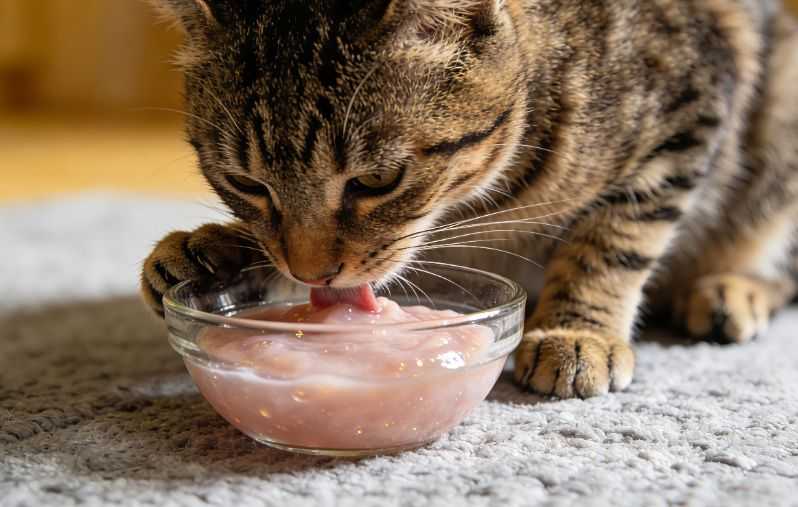
-Omega-3 fatty acids:Abundant in various fish oils,they have significant anti-inflammatory effects and can help improve joint inflammation.
The core ingredients and functions of this type of supplement are as follows:
-Omega-3 fatty acids:Some fish oils(such as salmon oil)contain these components,specifically alpha-linolenic acid(ALA)and eicosapentaenoic acid(EPA),which can effectively improve a cat's skin condition and promote healthy hair growth.
-Omega-6 fatty acids:Including linoleic acid and arachidonic acid,these can maintain the health and stability of a cat's skin cells and enhance the skin barrier function.
It is important to note that fatty acid intake should be controlled within a reasonable dosage range.Excessive intake may cause severe gastrointestinal discomfort in cats due to excessive calories.
The use of calming supplements for cats is becoming increasingly widespread.Their common core ingredients and functions are as follows:
-L-Tryptophan:An important amino acid that helps cats produce serotonin,thereby regulating mood,improving sleep quality,lowering cortisol(a stress hormone),and relieving anxiety.
-Alpha-Casein:A supplement derived from milk protein that helps cats relax and reduce stress and anxiety.
-Synthetic Pheromone:Commonly found in diffusers,sprays,and collars,it transmits reassurance signals to cats,helping them relieve tension.Recent studies have shown that this type of ingredient has a significant effect on relieving stress in cats caused by veterinary visits.
-B Vitamins:Play various physiological roles in cats,especially in regulating brain function and improving mood.
-Gamma-Aminobutyric Acid(GABA):A neurotransmitter in the brain that has a calming effect,helping cats relieve anxiety and calm their emotions.
-Herbal Supplements:Extracted from natural plants,widely used in modern medicine and cat-specific supplements,they can help cats maintain emotional stability and reduce stress.The common core ingredients and functions of feline immune support supplements are as follows:
-L-Lysine:An amino acid supplement that effectively alleviates various clinical symptoms caused by feline herpesvirus infection and helps enhance the body's resistance to the virus;
-Antioxidants:Including vitamin E,vitamin C,selenium,glutathione peroxidase,etc.,which protect the cat's cells from damage caused by free radicals.Free radicals are metabolic byproducts produced during the cat's energy production from food,and long-term accumulation can damage cell health.
The common types and functions of feline digestive supplements are as follows:
-Probiotics:Live microorganisms,mostly derived from bacteria and yeast,which can repair the cat's gastrointestinal mucosa,regulate the balance of intestinal flora,and improve gastrointestinal digestive and absorptive functions.Probiotics can also reduce bloating and abdominal distension caused by gastrointestinal discomfort,help alleviate chronic diarrhea,chronic vomiting,and difficulty maintaining weight,and promote the recovery of intestinal health;
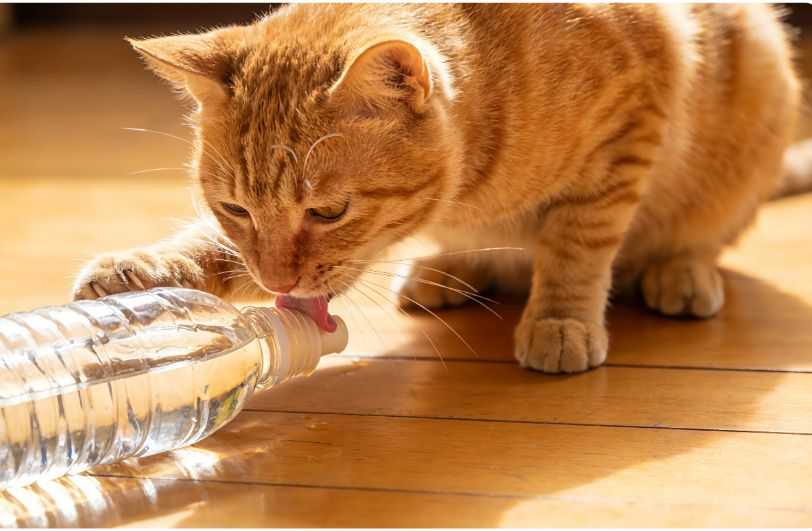
-Hairball remedy(gel):Lubricates the cat's digestive tract,helps expel excess hair accumulated in the body,and prevents hairballs.Some hairball remedies also contain herbal ingredients to further support the health and stability of a cat's gastrointestinal tract.
Senior cat nutritional supplements and multivitamins are specifically designed to alleviate various health problems caused by natural aging in cats.Their ingredients are typically targeted and commonly include:glucosamine(to support joint health and slow joint degeneration),antioxidants(to improve memory and cognitive function in senior cats and slow brain aging),Omega-3 fatty acids(to alleviate arthritis symptoms and promote brain health),and probiotics(to maintain digestive health and improve weakened digestive function in senior cats).
Before planning to give your cat any nutritional supplements or vitamins,it is best to consult a veterinarian in advance.The veterinarian can recommend suitable supplements based on the cat's specific health needs,age,weight,and diet,and provide detailed information about the supplement,dosage,administration method,and precautions to ensure proper use,maximize benefits,and avoid health risks.