Information
- Home
- cats

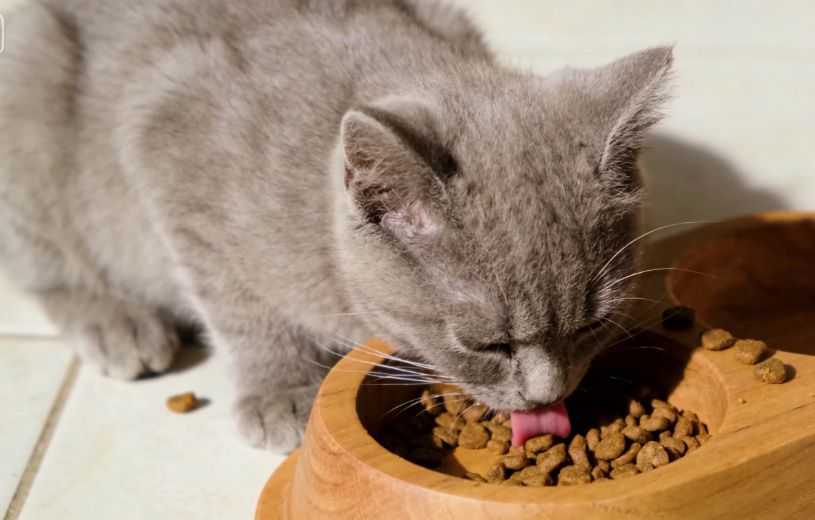
For humans,homemade food is almost always healthier than commercially available ready-to-eat food.Does this same principle apply to cats?The answer is not absolute.Before rushing to buy large quantities of ingredients to make homemade cat food,it's recommended to systematically understand how to make nutritionally balanced cat food,as the process is often more complex than expected.Below is key knowledge about homemade cat food to help pet owners make informed decisions.
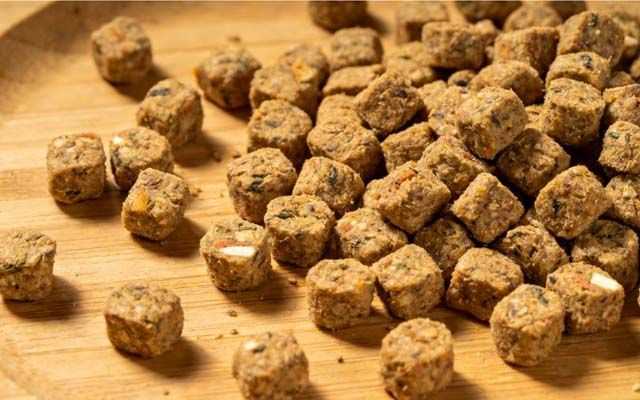
Is homemade cat food superior to commercial cat food?
Homemade cat food does have certain advantages,primarily because owners have complete control over ingredient selection and combinations.If you want to provide your cat with food free of artificial colors,flavors,and preservatives,or customize organic or grain-free formulas,homemade food can fully meet these needs.Furthermore,homemade cat food is an excellent choice for cats with food allergies:it precisely avoids allergens,and when a sick cat refuses other foods,customized homemade food may help encourage them to eat.
Is homemade cat food always healthier?
In fact,homemade cat food is not necessarily healthier than commercial cat food.If pet owners have mature consumer judgment,choosing high-quality commercial cat food can achieve most of the aforementioned advantages.For example,natural canned cat food typically contains no artificial colors,flavors,or preservatives,and is mostly grain-free,with raw material quality similar to homemade cat food.Organic cat food is also readily available through online channels and local pet food suppliers.
Commercial cat food offers a wide variety of options,such as specialty formulas like duck and potato,making it easier to select suitable diets for cats with food sensitivities.Veterinary prescription cat food adheres to stringent quality control standards,effectively preventing cross-contamination and the recurrence of allergies or disease symptoms.
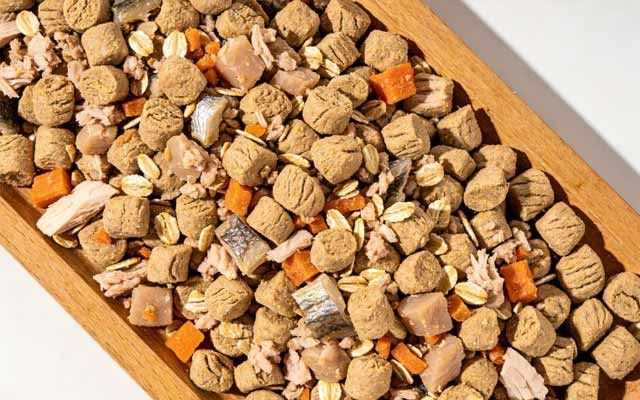
Comparison of Cooked vs.Raw Homemade Cat Food
If considering homemade cat food,especially raw food formulas,multiple safety risks need to be considered.The contamination rate of raw animal ingredients intended for human consumption is a concern.According to estimates from the U.S.Department of Agriculture(USDA),approximately one-quarter of raw chicken in human food production facilities is contaminated with Salmonella and/or Campylobacter.
Healthy cats have some resistance to most foodborne diseases,but kittens,senior cats,and sick cats have weaker immune systems and are less able to resist pathogens.Furthermore,seemingly healthy pets can also be carriers of pathogens,potentially transmitting infections to humans and posing a risk of zoonotic diseases.
Some proponents of raw food feeding advocate adding whole raw bones to homemade cat food.While raw bones have a lower risk of breakage than cooked bones,cats chewing any large bones increase the likelihood of tooth fractures and gastrointestinal damage,so this should be avoided with caution.
Key Considerations for Homemade Cat Food
If you decide to make homemade cat food for your cat,strictly follow these guidelines to ensure their comprehensive nutritional needs are met and to avoid potential health risks.
1.Ensure Nutritional Balance
A balanced diet is the core prerequisite for a cat's health;both excess and deficiency in nutrients can lead to serious health problems.Unfortunately,most homemade cat food formulas have nutrient imbalances.A 2019 study evaluated 114 homemade cat food formulas collected from books and online resources,showing that"all tested formulas had nutritional deficiencies,"highlighting the importance of scientific formulation.
2.Use Veterinarian-Approved Formulas
The best way to obtain homemade cat food formulas is to consult a professionally certified veterinary nutritionist.These experts can customize a formula based on the cat's age,weight,and health condition.Pet owners can get a referral from their family veterinarian or find suitable professionals through the American College of Veterinary Nutrition.Additionally,online service platforms run by veterinary nutritionists,such as Petdiets.com and BalanceIt.com,are also reliable sources of formulas.
3.Strictly Follow the Recipe
Even with a scientifically formulated recipe,it's crucial to be vigilant about deviations during implementation.Studies show that many pet owners arbitrarily replace ingredients in the formula over time,or even stop adding key nutritional supplements such as vitamins and minerals,leading to nutritional imbalances.Never adjust the cat food formula without the permission of a veterinarian or veterinary nutritionist.
4.Use Nutritional Supplements Appropriately

Making nutritionally complete and balanced homemade cat food almost always requires the assistance of vitamin and mineral supplements.Be wary of any formula claiming to"meet all your cat's nutritional needs without supplements,"as this lacks scientific basis.Reliable formula sources will clearly label the specific dosage and administration method for each vitamin and mineral supplement,ensuring precise nutritional intake.
5.Plan Preparation Time and Storage Methods Appropriately
Homemade cat food requires additional time and cost.For convenience,prepare 1-2 weeks'worth at once,portion it,and freeze.Before feeding,thaw the cat food in the refrigerator overnight.Heat it to your cat's body temperature to avoid irritating their stomach.Homemade cat food should not be left at room temperature for more than 2 hours.Discard it promptly after several days of refrigerated storage to prevent spoilage and bacterial growth.
6.Gradually Transition Diets
Rapidly changing a cat's diet can easily cause gastrointestinal upset;a gradual transition is necessary.It is recommended to gradually increase the proportion of homemade cat food over 1-2 weeks while reducing the amount of the original cat food.If your cat shows adverse reactions,immediately switch back to the original diet;if symptoms persist,consult a veterinarian promptly.7.Regular Health Checkups
For cats that are fed homemade cat food long-term,it is recommended to have them undergo veterinary checkups 2-3 times a year to monitor for diet-related health issues,ensure the formula always meets the cat's nutritional needs,and dynamically adjust it according to the cat's physical condition to ensure long-term health.