Information
- Home
- cats
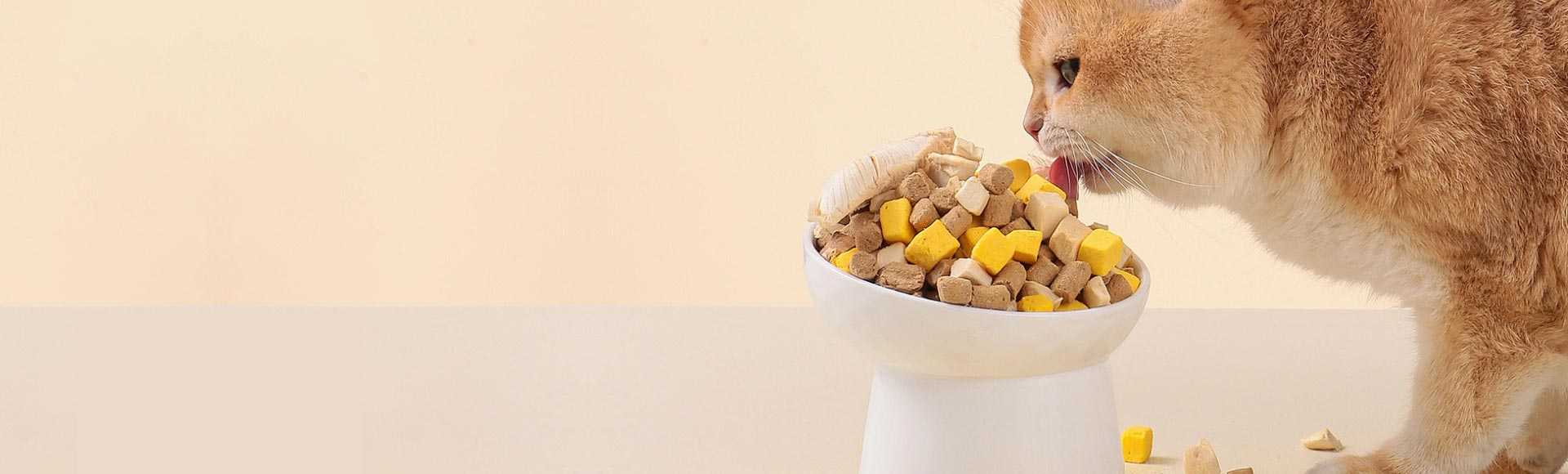
As a cat owner,you naturally want your beloved cat to accompany you happily for a long time.Scientific research has long confirmed that sufficient and balanced nutrition is a core prerequisite for ensuring a cat's health—a conclusion derived from the pet nutrition standards of the American Association of Feed Control Officials(AAFCO)and joint research by veterinary nutrition societies in multiple locations worldwide,clearly demonstrating the direct link between nutritional intake and a cat's immunity,lifespan,and quality of life.Therefore,choosing cat food that meets your cat's physiological needs is a crucial part of the care process.
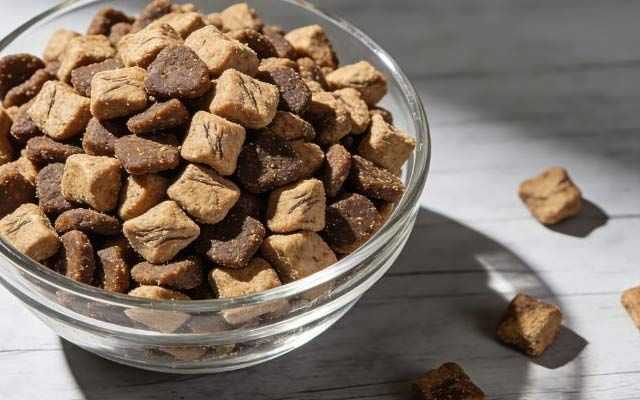
Today,the variety of cat food on the market has reached an all-time high.The American Pet Products Association(APPA)alone reports over 2,000 different formulas available,covering vegan,vegetarian,raw food,complete nutrition,organic,human-grade,hypoallergenic,freeze-dried,and grain-free options.This abundance of choices,however,can leave many owners struggling to make a decision.Among them,grain-free cat food,a popular innovation in pet nutrition over the past 20 years,has garnered both immense popularity and considerable controversy.Is it truly suitable for all cats as advertised?The following is a comprehensive analysis based on authoritative standards and scientific research.
I.What is Grain-Free Cat Food?Unlike the vague advertising on some pet food packaging,"grain-free"is a term with a clear regulatory definition:According to AAFCO and the EU pet food regulation(EC 178/2002),grains specifically refer to the fruits of grasses,including barley,corn,oats,rice,rye,and wheat;while grain by-products such as bran,gluten,chaff,flour,and starch are also clearly classified as"containing grain ingredients."Therefore,only cat food that is completely free of all of the above ingredients can be legally labeled as"grain-free cat food."This definition provides consumers with a clear basis for judging the authenticity of products.
II.Are all grain-free cat foods gluten-free?
From a compositional perspective,gluten is a protein component unique to grains(mainly found in wheat,rye,and barley).Therefore,grain-free cat food that meets the regulatory definition must naturally be gluten-free—this is a natural conclusion derived from the core definition of"grain-free,"and there is no need to additionally label it as"gluten-free"as a selling point.
It's important to note that while gluten allergy is a significant concern in human nutrition,veterinary clinical data shows that the probability of cats developing gluten allergy or intolerance is extremely low,less than 0.5%;and overall,the incidence of food allergies in cats is only 1%-2%(data source:American Academy of Veterinary Dermatology).Therefore,cat food labeled"gluten-free"or"grain-free"does not inherently possess"healthier"properties,nor does it mean it's more suitable for ordinary cats;conversely,cat food containing grains or grain by-products,as long as it meets AAFCO nutritional standards,is fully guaranteed in terms of quality and safety,and will not lower a cat's health level due to the presence of grains.
III.Is a grain-free diet harmful to cats?
Currently,there is no scientific evidence to suggest that a grain-free diet poses a direct health risk to healthy cats.Previous studies had suggested a potential link between grain-free dog food and dilated cardiomyopathy(DCM)in dogs.However,follow-up studies by the U.S.Food and Drug Administration(FDA)and the World Small Animal Veterinary Association(WSAVA)confirmed that this association only applied to dogs.Cats'physiological and metabolic mechanisms are fundamentally different from dogs,and no correlation was found between grain-free cat food and feline heart disease.
IV.How did grain-free cat food become so popular?
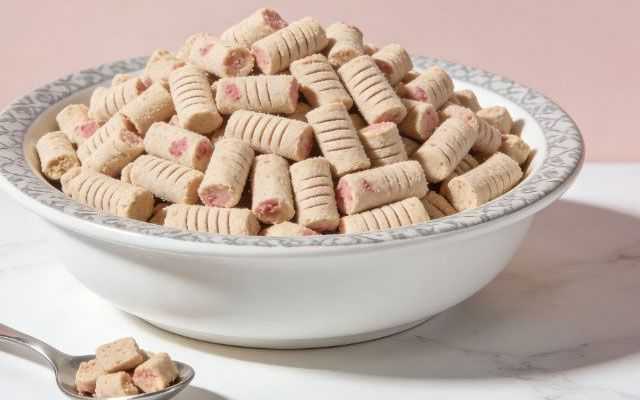
The popularity of grain-free cat food did not stem from cats'natural needs,but rather was indirectly influenced by human dietary trends:
Early Applications:Before 2000,grain-free cat food was limited to professional medical use.Veterinary nutritionists and dermatologists recommended grain-free formulas as an adjunct treatment for cats diagnosed with grain allergies,severe skin inflammation,or intestinal sensitivities.
Low-Carb Diet Craze:In the early 2000s,the concept of low-carb,high-protein diets for humans gained popularity.The"health halo effect"extended to the pet industry,with consumers generally assuming that"healthy human eating habits can be directly applied to pets,"driving a market explosion for high-protein,low-carb grain-free cat food.
The Gluten-Free Trend:In the 2010s,gluten-free foods became widespread in North America and Europe through catering and retail channels.Pet owners began to transfer the perception that"gluten-free=healthy"to pet food,further boosting sales of grain-free cat food.
It's important to note that grain-free cat food is not"zero-carb."Its formula typically uses non-grain ingredients like potatoes,peas,and chickpeas to replace corn and rice;essentially,it's just a difference in the source of carbohydrates.
V.Do cats need grain-free food?
The answer is absolutely not.
The core argument supporting grain-free cat food is that"wild cats don't eat grains,and domestic cats,as descendants of wild cats,don't need grains either."However,this argument has logical flaws:First,the natural diet of wild animals is not a"perfect nutritional template"—wild cats have an average lifespan of only 3-5 years,while domestic cats,with proper feeding,can live to 15-20 years.The key difference lies in balanced nutrition,not"imitating a wild diet."Second,dietary physiology studies show(source:*Journal of the American Veterinary Medical Association*)that domestic cats'digestive systems have evolved to adapt to starch,achieving a starch digestibility and absorption rate of over 95%in grains,fully utilizing the nutrients in grains.
In fact,the core purpose of adding grains to pet food is to provide an affordable and easily digestible source of energy,B vitamins,and dietary fiber.These components have positive effects on a cat's metabolism and gut health.Extensive long-term feeding data shows that,provided nutritional standards are met,grain-containing cat food does not cause significant side effects in cats,nor does it affect their health or lifespan.
VI.What to do if your cat is allergic to grains?
If a cat is professionally diagnosed with an allergy to specific grains such as rice,corn,or barley,choosing grain-free cat food is a reasonable solution.However,the key prerequisite is a"clear diagnosis"—the gold standard for diagnosing food allergies is an intradermal allergy test or a specific IgE blood test(both must be performed by a veterinary dermatologist),not subjective guesswork.
In reality,many owners self-diagnose"grain allergy"based solely on symptoms such as hair loss and itching in their cats.However,clinical data shows that the main trigger for food allergies in cats is animal protein(such as chicken,fish,and beef),accounting for over 80%,while grain allergies account for less than 5%of true food allergy cases.
Therefore,if your cat exhibits suspected allergy symptoms such as hair loss,itching,skin crusting,or intestinal problems,do not switch to grain-free cat food on your own.Consult a veterinarian dermatologist or a professional pet nutritionist first to identify the allergen through scientific testing before developing a targeted dietary plan.
VII.Should You Choose Grain-Free Cat Food?
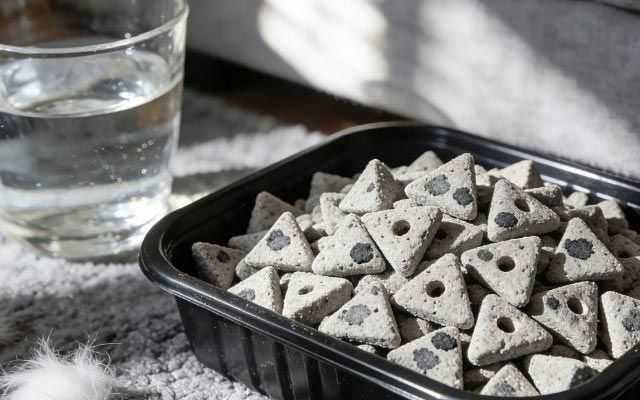
In summary,grain-free cat food is not a"necessity."The choice depends on the cat's specific situation:
Suitable situations:Cats have been professionally diagnosed with grain allergies,inflammatory bowel disease(IBD),or other inflammatory diseases that sensitize grains.In this case,grain-free cat food can be used as a supplement to improve their diet.
No need to choose:For the vast majority of healthy cats(especially kittens,healthy adult cats,and senior cats),traditional grain-containing cat food(such as kibble or canned food)that meets AAFCO nutritional standards can meet their growth and metabolic needs.These cat foods are formulated based on decades of pet nutrition research,with the core goal of"maximizing the reduction of health risks and extending the cat's lifespan,"offering better cost-effectiveness and suitability.
Finally,it's important to remember that quality cat food isn't necessarily correlated with price;a more expensive product may not be better for your cat.The core principles for choosing cat food are:it meets authoritative nutritional standards,is suitable for your cat's age(kitten/adult/senior),health condition(any underlying medical conditions or allergies),and appetite preferences.The safest approach is to consult your veterinarian to recommend a suitable formula based on your cat's individual needs.