Information
- Home
- cats
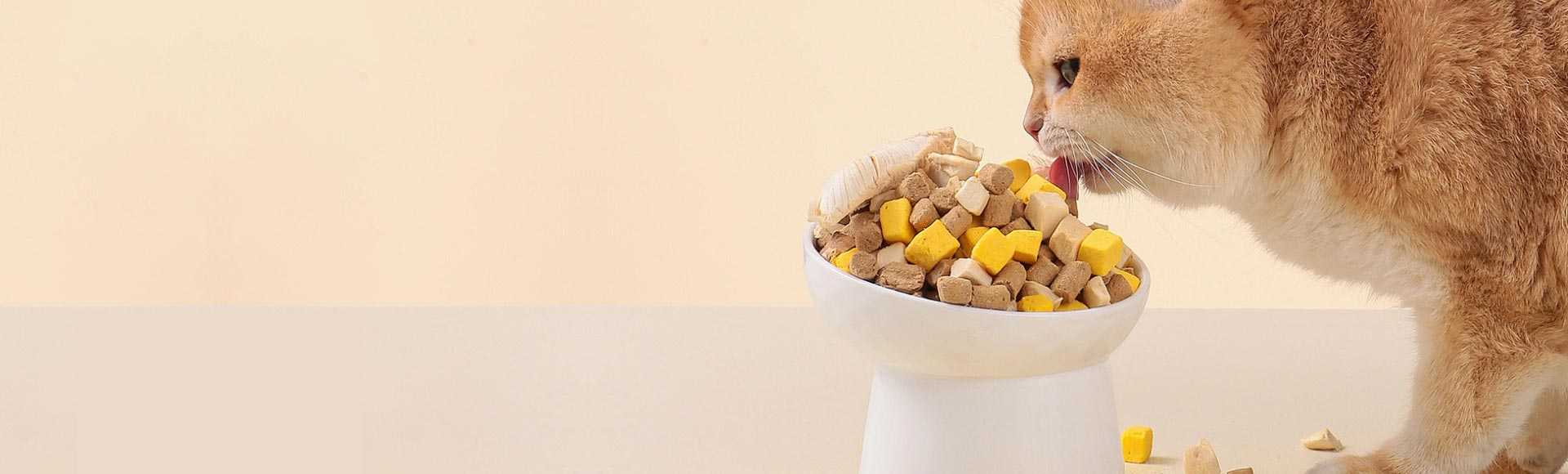
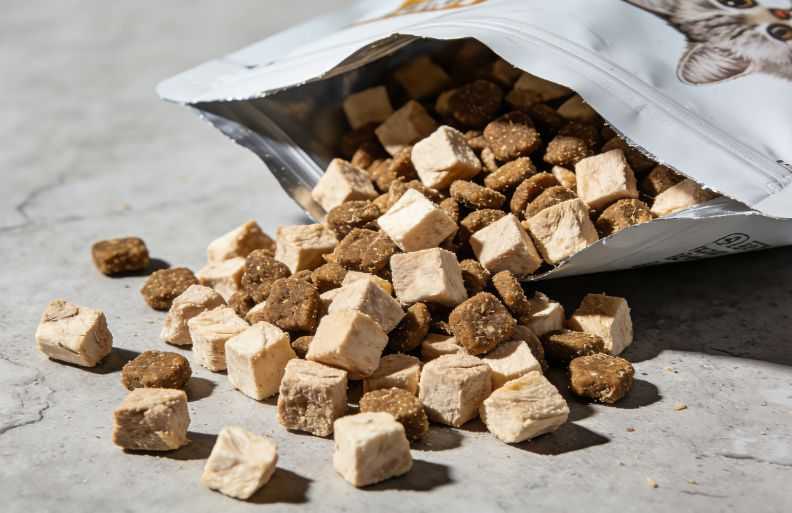
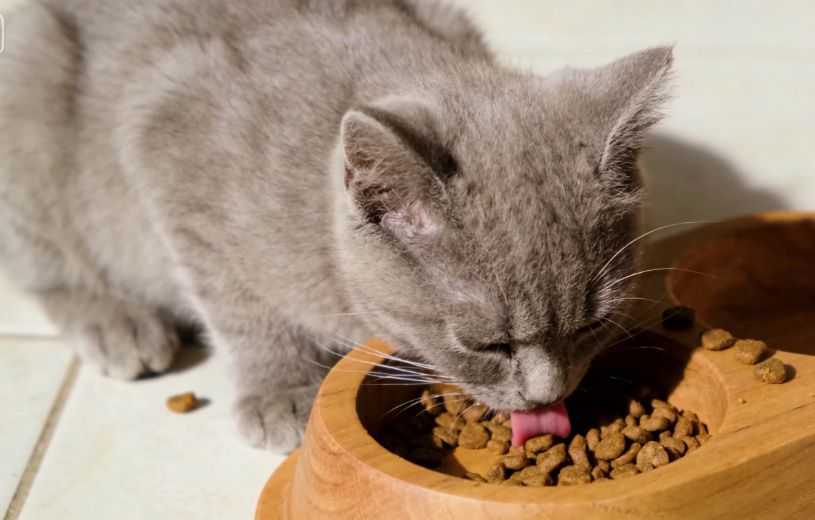
Kittens require specific nutrients during their growth and development to strengthen bones and muscles,nourish their developing brains,and establish a robust immune system.Currently,there are many types of cat food on the market,some specifically designed for particular life stages and clearly labeled on the packaging;others claim to be suitable for all life stages of a cat.It is crucial to note that a good nutritional start is essential for a kitten's long-term health and lifespan.Therefore,owners should choose cat food that meets the nutritional needs of kittens during this critical growth stage;otherwise,they may need to invest more in veterinary services,medication,and special dietary adjustments later on.
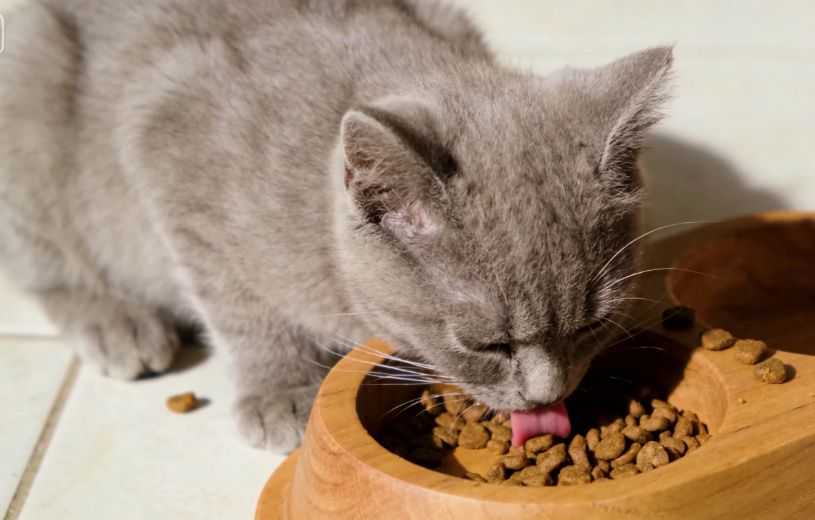
Once owners understand their kitten's nutritional needs and the key ingredients in the cat food they need to focus on,choosing the right cat food becomes much easier and more efficient.
I.Carbohydrates and Protein
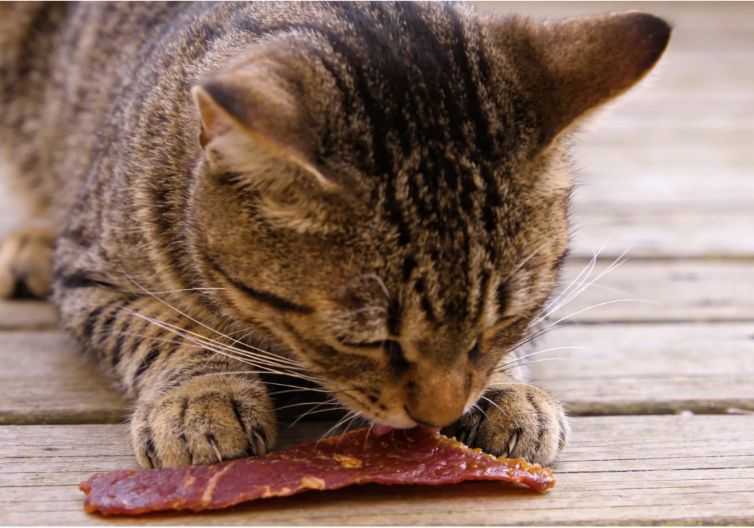
First,it's important to understand that cats are obligate carnivores.Their natural diet does not rely on vegetables or carbohydrates as their primary energy source.Therefore,animal protein should be a core component of a kitten's diet.If a kitten does not consume enough animal protein,it will exhibit symptoms of nutritional deficiency,and its body may break down its own muscle to obtain the necessary nutrients.Animal protein plays an irreplaceable role in the healthy growth of kitten muscles and body tissues,providing essential amino acids,which are the basic building blocks of body tissues.
Different amino acids play different roles in kitten growth and development,with some being particularly important.For example,taurine is an essential amino acid required by both kittens and adult cats,crucial for the normal functioning of a cat's heart,vision,and reproductive system.A long-term deficiency in taurine in kittens can lead to serious health problems such as blindness and heart disease.Since taurine can only be obtained from meat,this amino acid must be included in a kitten's daily healthy diet.
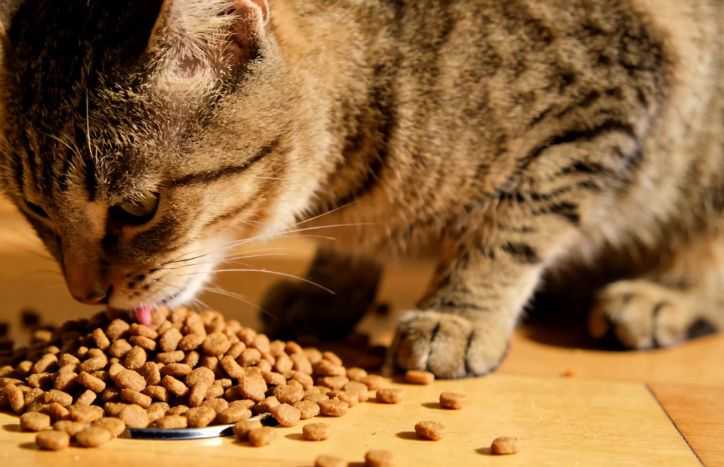
Currently,many cat food products contain added carbohydrates and grains.While these ingredients are difficult to completely eliminate,their proportion in cat food should be strictly controlled at a low level.Excessive carbohydrate intake in a kitten's diet can cause intestinal disorders and,in severe cases,excessive weight gain,increasing the risk of obesity-related diseases later in life.
II.Fat:Essential Nutritional Value for Kittens
Fat is a crucial component of a kitten's diet,serving multiple physiological functions:First,it aids in the absorption of fat-soluble vitamins such as vitamins A,D,E,and K;second,it enhances the flavor of kitten food,increasing their appetite;third,as a high-quality energy source,it provides ample power for growth,development,and daily activities;and fourth,it supplements the body's oils,maintaining healthy skin and coat.Insufficient fat intake in kittens may lead to dry skin,flaking,and an increased risk of skin infections.
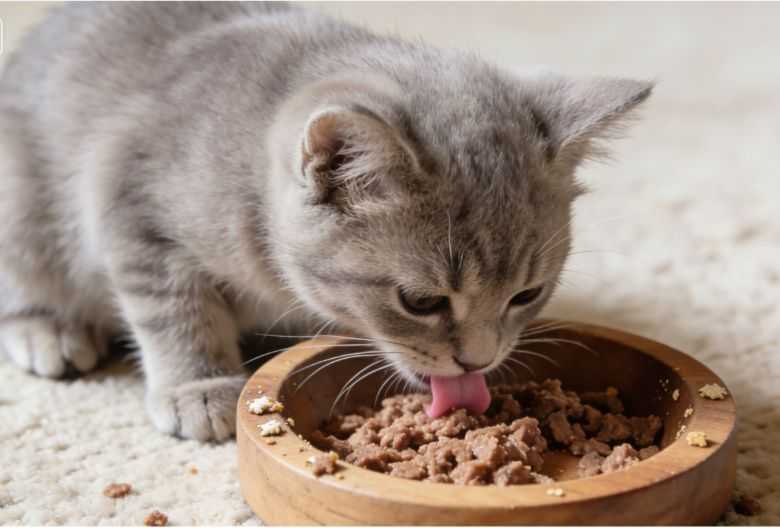
Fat and fatty acids not only do not harm a kitten's health but are actually essential for its healthy development.Kittens especially need arachidonic acid,a fatty acid that plays a key role in blood clotting and normal skin growth;they also need adequate linoleic acid to maintain normal inflammatory responses and ensure healthy skin and mucous membranes.
III.Vitamins and Minerals
Calcium,phosphorus,vitamin D,and other vitamins and minerals are core nutrients for the development of a kitten's bones and teeth.The scientifically balanced ratio of these nutrients is crucial for maximizing bone density and stability in kittens.Insufficient vitamin and mineral intake in kittens often leads to fragile bones,joint problems,and other related health issues in adulthood.Furthermore,kittens(and adult cats)have specific needs for vitamin A,B vitamins,thiamine,and niacin,which must be adequately supplemented through their diet to ensure the normal functioning of their various physiological processes.
IV.Foods to Avoid for Kittens
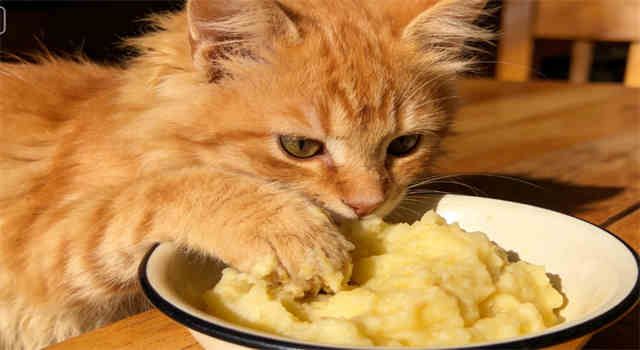
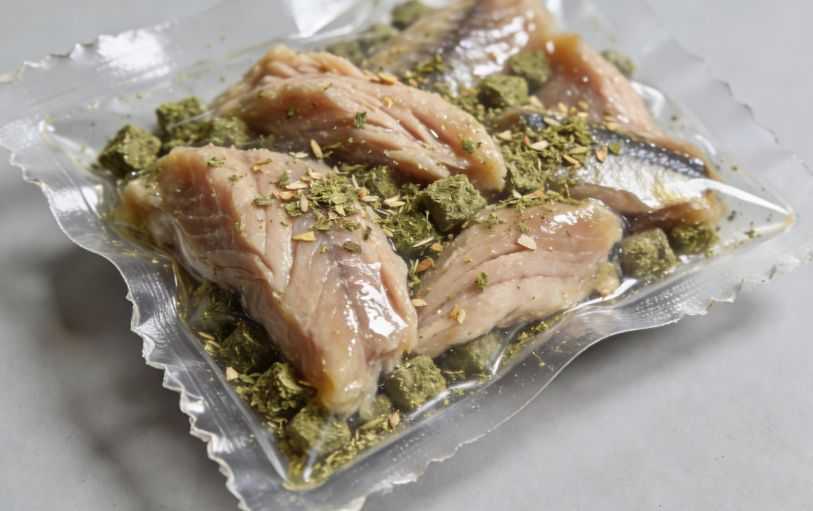
When raising kittens,it is recommended to prioritize kitten-specific cat food products.While owners may wish to share human food with their kittens,the following foods should be strictly avoided to prevent health problems:canned tuna and other types of fish(fresh or canned),as these may lead to thiamine deficiency in kittens;milk,which kittens'digestive systems struggle to adapt to,easily causing diarrhea;raw meat,a common carrier of pathogens such as Salmonella and E.coli,which may cause intestinal infections in kittens;and raw eggs,which may not only lead to biotin deficiency in kittens but are also a significant source of Salmonella,posing a significant safety risk.
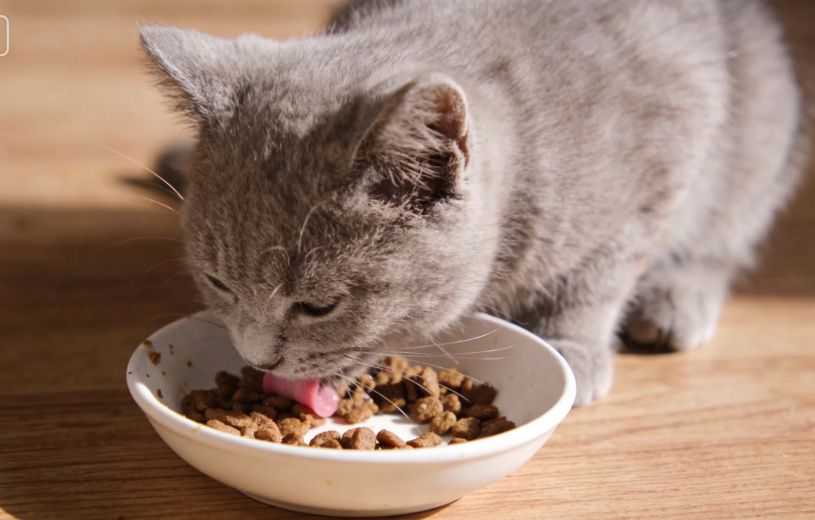
V.Recommendations for a Balanced Growth Diet for Kittens
Owners should learn about kitten nutrition in advance and consult professionals if necessary.Veterinarians or animal nutritionists can assist in selecting a nutritionally complete and balanced commercial kitten food based on the kitten's breed and growth status to meet its developmental needs.Some breeds require customized diets based on their expected growth potential,but generally,all kittens have similar nutritional requirements.
Furthermore,unless explicitly recommended by a veterinarian,never supplement kittens with additional vitamins or minerals during their growth and development.Excessive supplementation with these nutrients may harm a kitten's health,leading to a range of health problems such as poor bone development.A high-quality,balanced kitten food should provide all the essential nutrients needed for growth and development,without the need for additional supplements.