Information
- Home
- cats

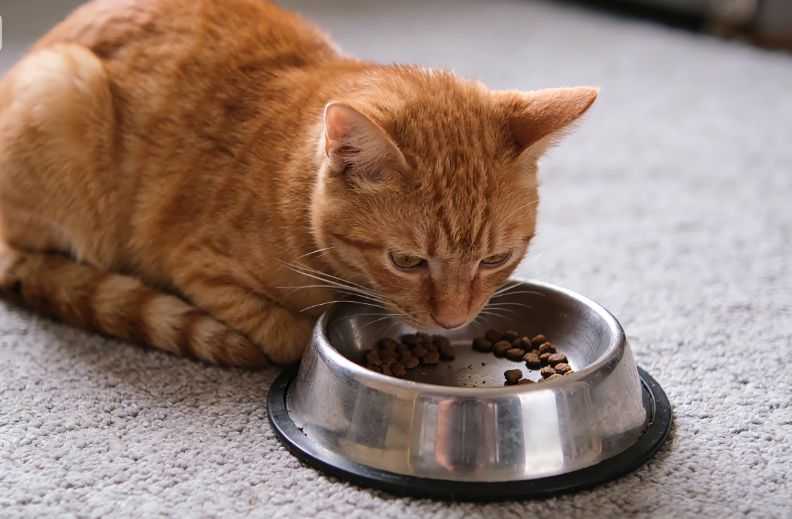
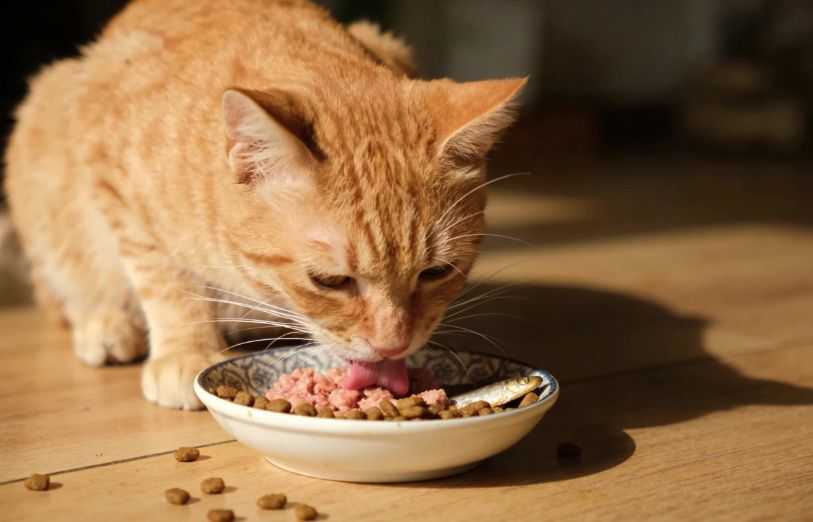
Cats are quite picky about food types,eating locations,and eating times.After one or two instances of picky eating,pet owners may wonder:how long can a cat go without food?Managing multiple pets simultaneously,or if the cat frequently spends time outdoors,makes understanding their eating habits even more challenging.
How much food and water should a cat consume daily?
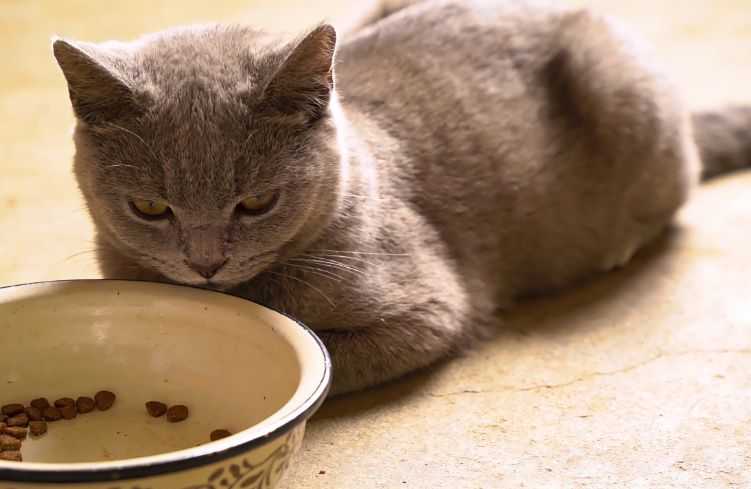
First,determining a cat's daily food and water intake is crucial.Veterinary nutritionist,veterinary doctor,MSc,and certified expert by the American Academy of Veterinary Nutrition,Cailin Heinze,recommends that pet owners follow a regular feeding schedule for their cats.
Dr.Heinze points out that ideally,food should be weighed at each feeding and the frequency maintained to accurately calculate the cat's calorie intake.A cat's age,weight,and activity level all affect its food intake,and the diet needs to be adjusted accordingly as the cat grows and develops.Online cat calorie calculators and other tools can help pet owners determine daily feeding amounts and optimize them flexibly based on actual conditions.
A practical principle is to ensure that 90%of a cat's nutritional needs are met through its main food(whether dry or wet food),with the remaining 10%(or less)of calories supplemented by healthy treats.If you have questions about the appropriate food ingredients for your cat or the precise feeding amounts based on age and weight,it is recommended to consult a veterinarian or veterinary nutritionist.
What are the differences in nutritional needs between indoor and outdoor cats?
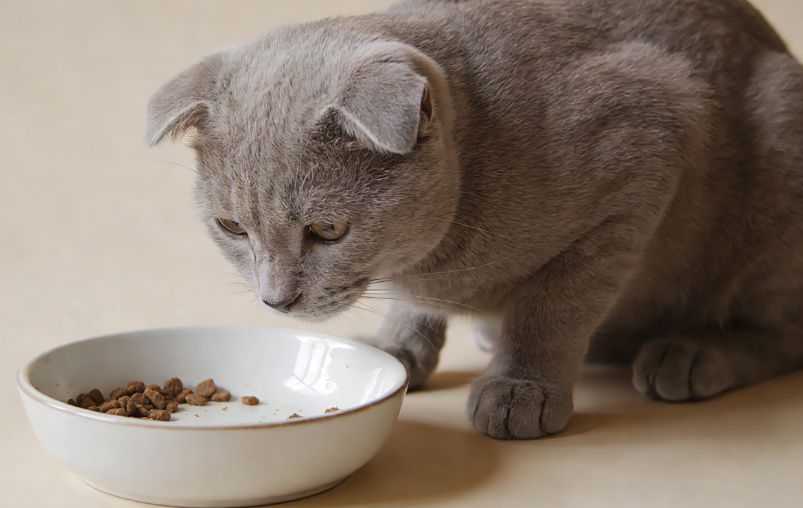
The feeding methods for indoor and outdoor cats differ significantly.Indoor cats rely entirely on their owners for all their nutritional needs,while outdoor cats,although they may accept food placed by their owners,will also forage for food on their own and may even seek food from neighbors.Compared to indoor cats,the eating habits of outdoor cats are more difficult to track.Although they may obtain additional food by foraging outdoors,this eating environment also carries many risks.
“Once cats begin hunting,their risk of parasite infection increases significantly,”Dr.Heinz stated.“And due to frequent outdoor activity,their energy expenditure is higher—partly due to increased activity levels and partly due to coping with complex weather conditions—so they may need to consume more energy.”
Dr.Heinz added that dietary management is more challenging for cats that frequently move between indoor and outdoor environments:owners can monitor their cat's indoor eating habits,but once outdoors,cats may indiscriminately consume various foods,making effective control impossible.
How to determine if a cat is eating enough?
Without knowing a cat's actual food intake,it's difficult to determine if it has stopped eating.“Depending on the feeding method,owners may have no way of knowing their cat's intake,especially in multi-cat households or with a free-feeding system,”Dr.Heinz said.“Unfortunately,it's not uncommon for cats to have abnormal eating habits for several days or even weeks.”
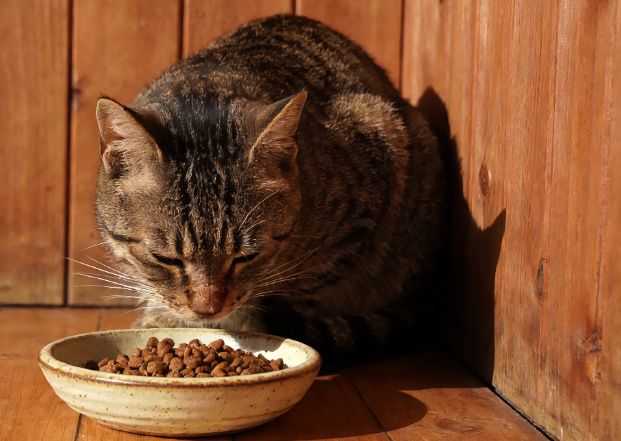
A cat's personality traits can also affect the assessment."If your cat is usually greedy and frequently begs for food,but suddenly refuses to eat for a day or two,it's recommended to take it to the vet for a checkup immediately,"Dr.Heinz points out."If the cat generally has low interest in food,occasional non-eating is normal and there's no need to worry excessively in the short term."However,she also emphasizes that for most cats,a significant decrease in food intake for three consecutive days or more warrants a veterinary diagnosis;if a cat hasn't eaten for more than one or two days,it also needs immediate veterinary attention.
The reasons a cat might not eat are varied,potentially involving health problems,environmental discomfort,or simply dissatisfaction with the food provided.Specific reasons include:illness or discomfort,poor food taste or spoilage,pain during eating,recent vaccinations,and excessive stress.
Keeping a detailed record of your cat's food intake and timing helps in the early detection of abnormal eating habits.Cats cannot tolerate not eating or drinking for several days,as their livers cannot sustain normal physiological functions solely on their stored energy for an extended period.
If your cat hasn't eaten for more than two days,the owner should contact a veterinarian immediately for professional advice.A physical examination can help identify the underlying cause of the cat's refusal to eat and develop a targeted treatment plan.Dr.Heinz stated that if a cat fails to consume most of its required calories for three consecutive days or more,it may need to be given appetite stimulants,feeding tubes,or other methods to help it obtain the necessary nutrients.