Information
- Home
- cats

Feeding cats raw food has always been a controversial practice.While domestic cats'wild ancestors did indeed eat raw food,this doesn't mean modern domestic cats must follow this feeding method.
This article will analyze the advantages and disadvantages of raw food cat food in detail,providing pet owners with scientific evidence to help them make informed decisions when choosing a healthy diet for their cats.
I.What is Raw Food Cat Food?
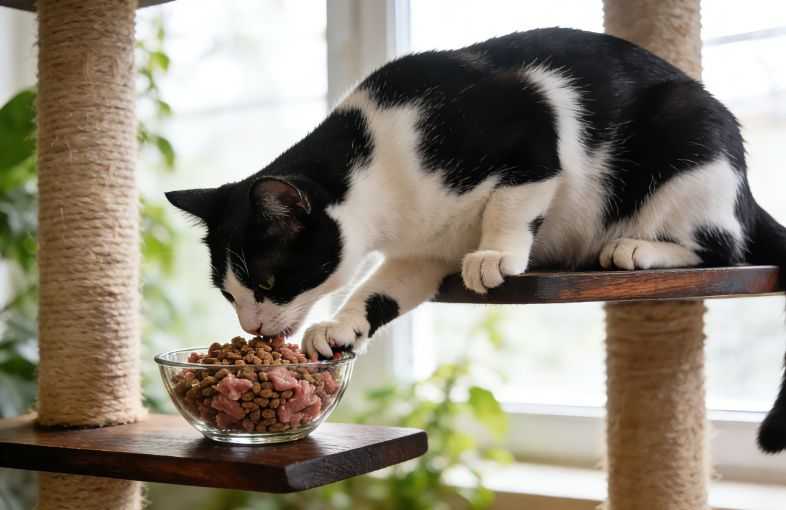
Raw food cat food,as the name suggests,is a cat-specific food made from unprocessed,fresh ingredients.
Cats are strict carnivores,and their physiological structure dictates unique nutritional needs.A diet primarily composed of animal tissue can precisely meet these needs.The core characteristic of raw food cat food is that raw meat,raw fish,and animal organs are listed first on the ingredient list.Ground bones are usually added as a source of calcium and phosphorus,which cats need.In addition,vitamins,mineral supplements,and other functional ingredients are added to achieve nutritional balance and prevent nutritional deficiencies in cats.
A cat's diet needs to be high in protein,as unlike most animals,cats primarily obtain energy from protein rather than carbohydrates.At the same time,cats have specific requirements for certain nutrients,especially taurine,arachidonic acid,vitamin A,vitamin D,and various B vitamins.Sufficient intake of these nutrients is crucial for their health.
II.The Difference Between Commercially Available Raw Food Cat Food and Homemade Raw Food Cat Food
Raw food cat food comes in various forms,allowing pet owners to choose different types based on their needs and feeding capabilities.Some pet owners choose to make their own raw food cat food at home,while others prefer to buy commercially available raw food cat food—which is usually sold as frozen or freeze-dried raw food.
In addition,there are other alternatives,such as purchasing pre-mixed vegetables,vitamins,and minerals and then adding raw meat to create your own formula;or purchasing ready-made raw food cat food directly from your local butcher shop.Different feeding methods have their own advantages and disadvantages,and the specific choice should be made based on the actual situation.The following will detail the characteristics of homemade and commercially available raw cat food:
(I)Homemade Raw Cat Food
Making raw cat food at home allows pet owners to better control the ingredients and proportions of their cat's diet.However,this method is far more difficult than expected;simply providing raw meat is not enough to meet a cat's needs.
Healthy growth in cats requires adequate intake of amino acids,fats,vitamins,and minerals.These nutrients need to be provided through a scientific combination of meat,animal organs,nutritional supplements,and other ingredients.The intake and proportion of each component must be precise and reasonable to avoid nutritional imbalances.
Furthermore,it is important to note that numerous research data show that it is almost impossible to find nutritionally complete and balanced homemade pet food recipes online or in print.
Even if pet owners initially find a high-quality recipe—such as one customized by a veterinary nutritionist based on their cat's specific health condition,age,weight,etc.—strictly adhering to it long-term is quite challenging.A 2014 paper pointed out that many owners who make their own pet food at home eventually deviate from the intended formula,which can lead to long-term malnutrition or overnutrition in their pets,harming their health.
(II)Commercial Raw Food Cat Food
Commercially available raw food cat food significantly reduces the uncertainty and difficulty of raw food feeding.Reputable manufacturers strictly adhere to the guidelines set by the American Association of Feed Control Officials(AAFCO)to ensure the nutritional compliance and safety of their products.
When purchasing cat food,pet owners should verify that the packaging label contains an AAFCO nutritional adequacy statement similar to the following to ensure product quality:
1.The formula of Brand X cat food meets AAFCO cat food nutritional standards and is suitable for adult cats for maintenance,growth,and reproduction,or all life stages.
2.Animal feeding trials conducted using AAFCO procedures have demonstrated that Brand X cat food provides comprehensive and balanced nutrition for adult cats for maintenance,growth,and reproduction,or all life stages.
It's important to clarify that any cat food that meets AAFCO standards,regardless of whether it's a raw food diet,must at least provide cats with basic and comprehensive nutrition to meet their daily physiological needs.
III.Are Raw Food Cat Food and BARF Cat Food the Same?
The abbreviation BARF is often used to describe homemade or commercially available raw food cat food.It has two common interpretations:"biologically appropriate raw foods"and"bones and raw foods."
Proponents of BARF(raw food diet)typically emphasize adding raw bones and animal organs to the cat food,rather than simply mixing raw meat with other ingredients to achieve nutritional balance.From a core perspective,the advantages and disadvantages of BARF feeding and non-BARF raw food cat foods are largely similar,with no fundamental difference.
IV.Is raw food cat food superior to other types of cat food?
Nutritionally deficient cat food is common in the market.This problem exists not only in processed cat food(such as canned and dry food)but also in raw food cat food.
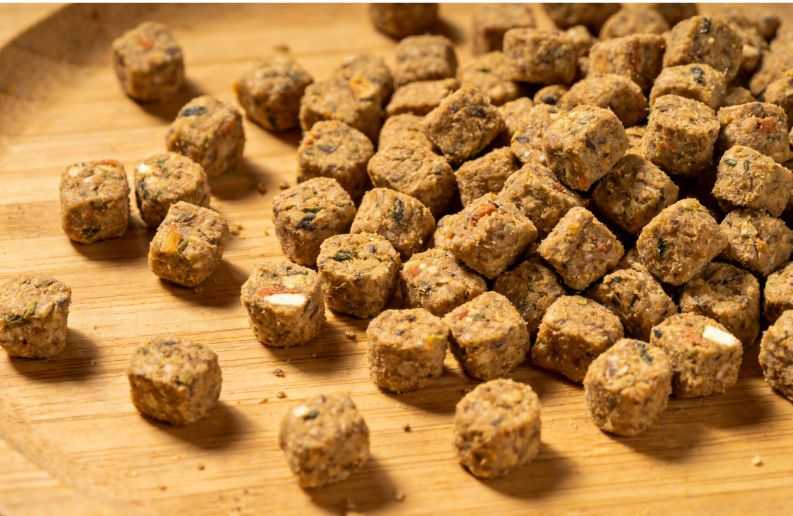
The benefits of raw food feeding,which many advocate,do not actually require raw food.Simply switching to high-quality processed cat food that better meets the physiological needs of cats can achieve similar results.
The following will compare the differences between raw food cat food and other types of cat food based on several key factors to provide pet owners with a reference:
(I)Moisture Content
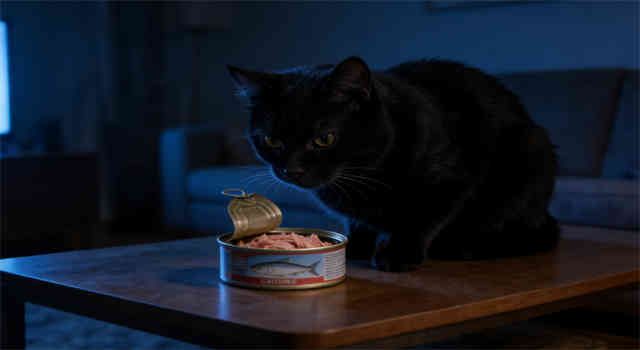
Cats should primarily obtain water from their food.Dry cat food typically has a low moisture content,while canned cat food has a similar moisture content to raw food cat food.Some high-quality canned cat food even has a higher moisture content than raw food cat food,better meeting the cat's water needs.
(II)High-Quality Ingredients and Digestibility
Whether it's raw or cooked cat food,the quality of the ingredients differs.Raw food does not equate to"high quality"or"high digestibility."
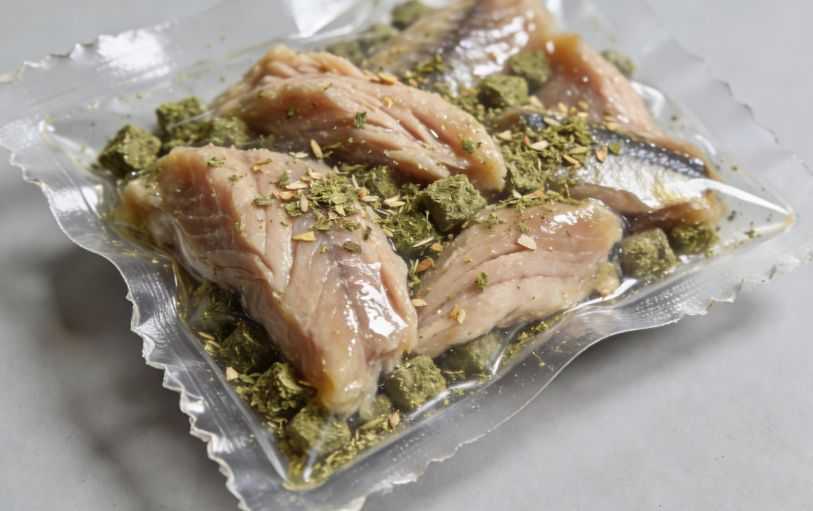
In fact,proper cooking can enhance the nutritional value of some ingredients.For example,many types of raw seafood contain thiaminase,an enzyme that breaks down thiamine(vitamin B1),an essential vitamin for cats.If cats primarily consume raw seafood,they are highly susceptible to thiamine deficiency,which can lead to loss of appetite,seizures,and even death.Cooking effectively destroys thiaminase,making such seafood suitable for cats.
(III)Nutritional Value
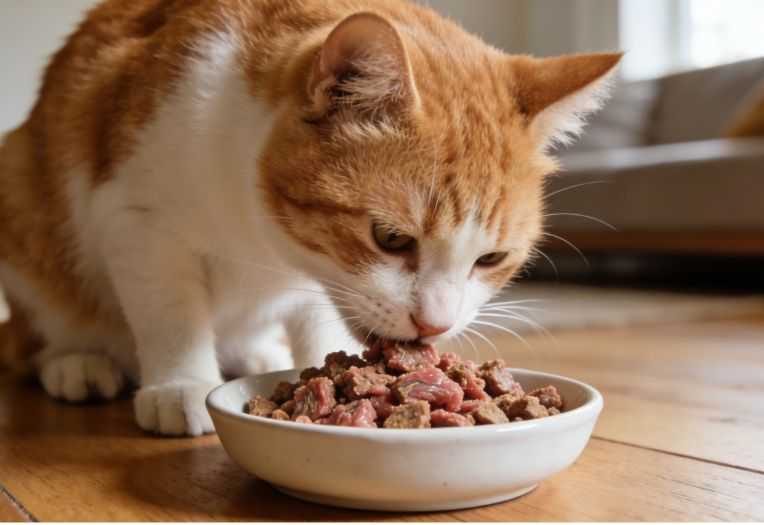
Currently,no scientific research has confirmed that raw cat food has superior nutritional value compared to other types of cat food.
Of course,high-quality raw cat food does provide better nutrition than low-quality processed cat food,but pet owners can provide similar nutritional benefits by switching to high-quality canned cat food,without necessarily opting for raw food.
V.Safety Precautions for Raw Cat Food
While some high-quality raw cat foods can provide excellent nutritional support for cats,this feeding method is not without its risks,and the potential safety hazards should be carefully considered.
Related studies have shown that commercially available raw pet food is more susceptible to contamination by potential pathogens such as Salmonella,Listeria,and E.coli compared to regular pet food,posing a higher food safety risk.
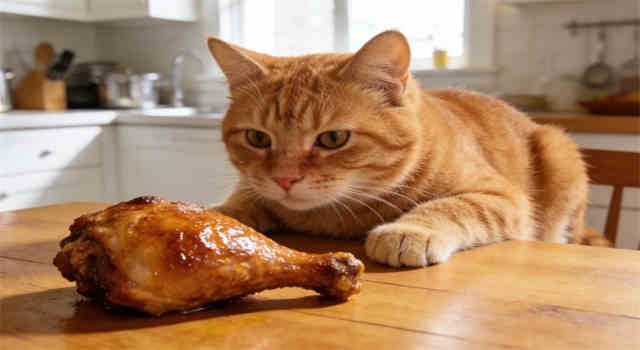
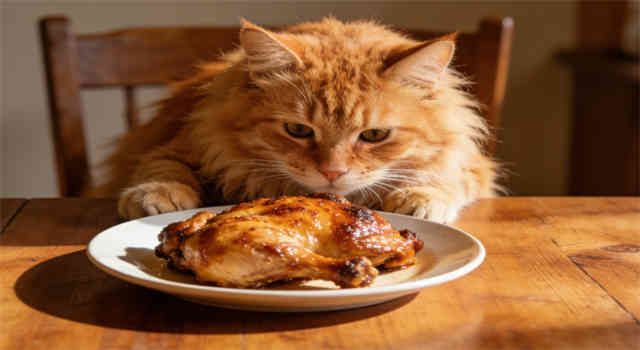
The safety of homemade raw cat food is equally concerning.Data from the U.S.Department of Agriculture estimates that approximately one-quarter of raw chicken produced in human food processing facilities is contaminated with Salmonella and/or Campylobacter;furthermore,Toxoplasma gondii and other parasites can be transmitted to cats through raw cat food,causing infection.
Some pet owners may believe that healthy adult cats are naturally immune to foodborne pathogens.While this is true in some cases,there are real-life cases of cats becoming ill or even dying from consuming raw cat food,so caution is advised.
It is also important to be aware that humans living with cats that consume raw food can also contract related diseases through contact with contaminated food or pathogens in cat feces.Infants,the elderly,and individuals with weakened immune systems are most vulnerable to the safety risks associated with raw food and require extra precautions.