Information
- Home
- cats

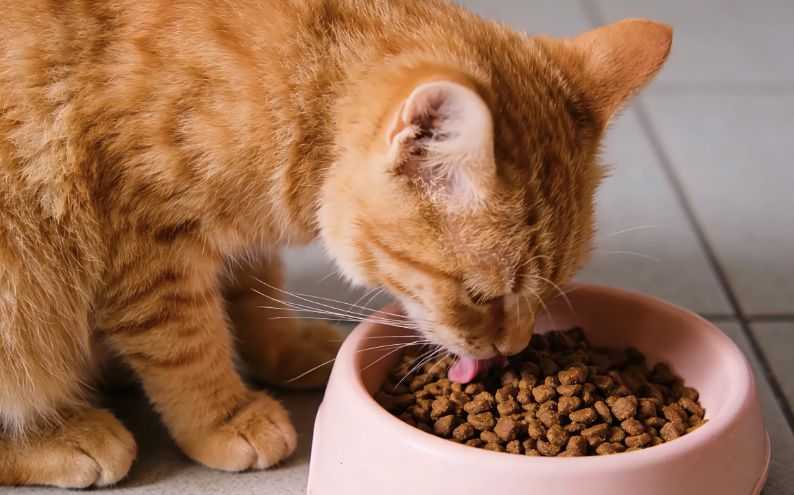
As a modern cat owner,you may have heard of"single-ingredient"cat food.This type of cat food might be recommended by your veterinarian to treat your cat's food allergies;or you might have learned about it through advertising,with some claiming that grain-free,single-ingredient cat foods are the best choice for meeting a cat's natural dietary needs.
However,before putting this type of cat food into your cat's bowl,it is crucial to understand its specific ingredient composition,the target cat group,and how to select a product that meets your and your veterinarian's expectations.
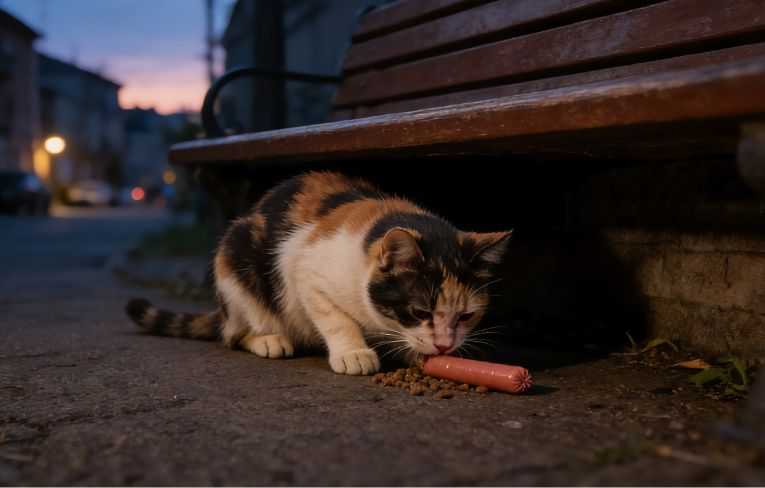
I.Definition of"Single-Ingredient"Cat Food
Theoretically speaking,"single-ingredient"cat food,as the name suggests,has a relatively simple ingredient list.Its core purpose is to strictly limit the source of protein and carbohydrates while ensuring a balanced diet for your cat,usually to avoid adverse food reactions or food allergies.
It is important to note that the term"single-ingredient"is not regulated by the U.S.Food and Drug Administration(FDA).This means that pet food manufacturers can label any cat food product as"limited ingredients,"regardless of the actual number of ingredients contained in the product,without any clear regulatory constraints.
To ensure your cat's food is indeed a limited-ingredient type,carefully review the label and ingredient list,comparing them with other products.The safest approach is to have your veterinarian verify the information.
II.Composition of Single-Ingredient Cat Food
Truly compliant single-ingredient cat food typically has a simple composition,primarily including the following:
1.Single protein source;
2.Single carbohydrate source;
3.Nutritional supplements;
4.Fat for nutritional balance.
Cats are strict carnivores,a physiological characteristic that necessitates meat in their diet.Therefore,the protein source in their cat food must be animal protein.Single-ingredient cat food often uses"novel proteins"—proteins your cat has not previously been exposed to—to reduce the risk of food allergies.
Veterinarians often recommend the following protein sources for hypoallergenic cat food:
1.Duck;
2.Rabbit;
3.Venison.
The most common carbohydrate sources in hypoallergenic cat food are potatoes and peas.
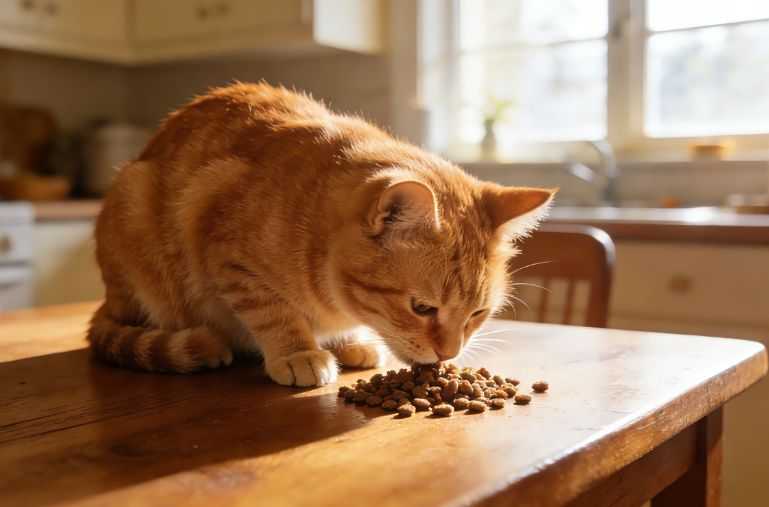
It's important to note that single-ingredient cat foods used to treat feline food allergies should generally avoid adding fruits,other vegetables,and seaweed.These additives may interfere with a veterinarian's assessment of a cat's protein source response,affecting the accuracy of allergy treatment and diagnosis.
III.The Difference Between Grain-Free Cat Food and Hypoallergenic Cat Food
Although some grain-free cat foods may have ingredient restrictions,veterinarians generally do not classify them as hypoallergenic cat food.
The term"grain-free"is also not regulated by the U.S.Food and Drug Administration(FDA).It is more used in marketing than to define the food's composition or quality level,and it does not indicate the quantity of ingredients.These cat foods typically use other carbohydrate sources such as lentils,peas,and sweet potatoes to replace traditional whole grains,but the protein sources are not significantly different from regular cat food,mostly consisting of common sources such as poultry,eggs,and fish.
Currently,there is no clear evidence that grains are harmful to cats(grain allergies in cats are extremely rare),and the vast majority of cats can digest grains well.Of course,if you and your veterinarian jointly determine that grain-free,single-ingredient cat food is best for your cat,you can choose such a product.Its key feature is that it does not contain grains as a carbohydrate source.
IV.Is Single-Ingredient Cat Food Better?
If your cat is healthy and has no discomfort,there is no need to blindly change its daily diet simply because you think"single-ingredient"cat food might be better.The core value of cat food lies in its balanced and comprehensive nutritional composition,not the number of ingredients providing those nutrients.
For example,a nutritionally balanced regular cat food made from chicken,beef,eggs,and rice may be more effective than a single-ingredient cat food with a novel protein source and unbalanced nutrition.
V.Does a Cat Need Single-Ingredient Cat Food?
The most common reason cat owners choose single-ingredient cat food is to try to diagnose and/or treat food allergies in their cats.
Symptoms that may accompany food allergies in cats include:
1.Vomiting;
2.Diarrhea;
3.Itchy skin;
4.Frequent ear infections.
However,it's important to note that true food allergies in cats are not as common as many cat owners imagine.If your veterinarian suspects your cat has a food allergy,they may recommend trying a single-ingredient cat food.Additionally,single-ingredient cat food can be used as an adjunct treatment for feline pancreatitis and inflammatory bowel disease.
It is crucial to remember that planning to change your cat's daily diet solely because you believe single-ingredient cat food can prevent food allergies is actually more harmful than beneficial.Introducing your cat to special proteins such as venison,kangaroo meat,or duck meat prematurely may make it difficult to treat a true food allergy in the future(although the probability is low)—because these new protein sources will no longer be suitable for dietary trials for food allergies.

VI.Using Hypoallergenic Cat Food to Test for Food Allergies in Cats
High-quality hypoallergenic cat food is readily available on the market.However,due to potential deficiencies in contamination control,most veterinarians recommend using prescription hydrolyzed protein cat food for feline food allergy testing.For example,well-known prescription pet food brands like Royal Canin have strict quality control systems and may even use PCR testing to screen for contaminating proteins in their products.
The protein molecules in prescription hydrolyzed protein formula are broken down into tiny fragments that can be normally absorbed,utilized,and digested by the cat's body,without being recognized as potential allergens by the immune system.If your cat has previously been exposed to various protein sources,this type of formula can save you the trouble of repeated trial and error and quickly identify allergy triggers.
If you believe your cat may benefit from a new protein,single-ingredient formula,be sure to consult your veterinarian first to understand the specific options.The veterinarian can work with you,based on your cat's dietary history,to determine the most suitable cat food brand and protein source,ensuring the scientific and safe adjustment of the diet.