Information
- Home
- cats

Choosing the best diet for your beloved cat can be a challenging task,and every cat owner wants to make the most reasonable choice for their feline companion.Cat food labeled"organic"or"natural"may seem like the ideal option,but is it truly superior?What exactly does"organic"mean?
This article will answer various questions about organic cat food and explore whether it is truly more beneficial for your cat's health.
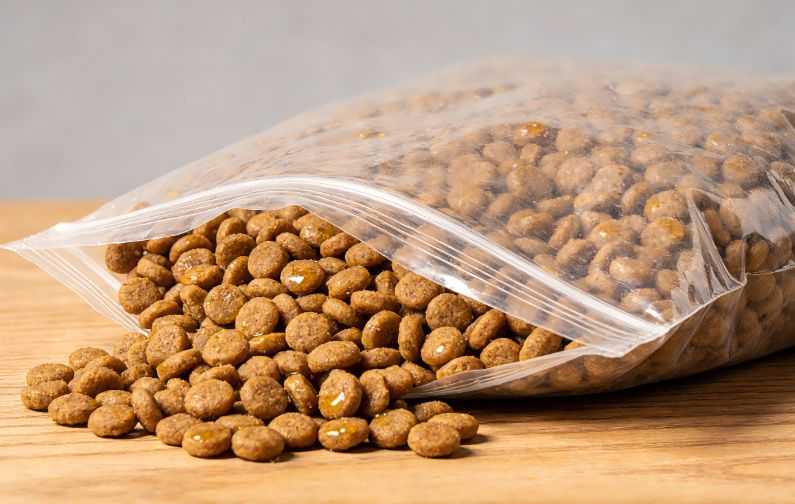
I.Definition of Organic Cat Food
The term"organic"is widely used in the pet food industry.According to the official definition of the American Association of Feed Control Officials(AAFCO),organic animal feed must strictly comply with the production and processing standards of the U.S.Department of Agriculture's National Organic Program(NOP).
The National Organic Program(NOP)is a federal regulatory program primarily responsible for developing and enforcing uniform national standards for organic agricultural products sold within the United States.The program certifies farms and related businesses to verify their compliance with national organic standards;the U.S.Department of Agriculture ensures the strict implementation of these standards through audits,investigations,and other enforcement activities.
According to the definition on the official website of the U.S.National Organic Program(NOP),"organic"products are those produced"through integrated cultural,biological,and mechanical practices designed to promote resource recycling,maintain ecological balance,and protect biodiversity."
The U.S.Department of Agriculture's(USDA)"National List of Allowed and Prohibited Substances"clearly lists the synthetic substances permitted in the production of organic crops and livestock,as well as the prohibited non-synthetic(natural)substances.
It is important to note that,because regulations regarding organic pet food are still under development and refinement,the National Organic Program(NOP)explicitly stipulates that pet food claiming to be organic must comply with the relevant regulations for human organic food.
II.Do all organic cat foods have the USDA organic certification mark?
Not all cat foods labeled"organic"have the USDA organic certification mark.Using certified organic ingredients does not equate to the entire cat food product being certified organic;the two should not be confused.
III.Which cat foods can use the USDA organic certification mark?
Pet food can only use the USDA Organic certification mark and include an organic certification statement if at least 95%of its ingredients are organic.
IV.Meaning of"Made with Organic Ingredients"
Even if the organic content of cat food does not meet the USDA Organic certification standard of 95%,as long as the overall organic content of the product is at least 70%,it can still be labeled"Made with Organic Ingredients."If the organic content does not meet this standard,the term"organic"can be used in the ingredient list to specify the specific ingredient.
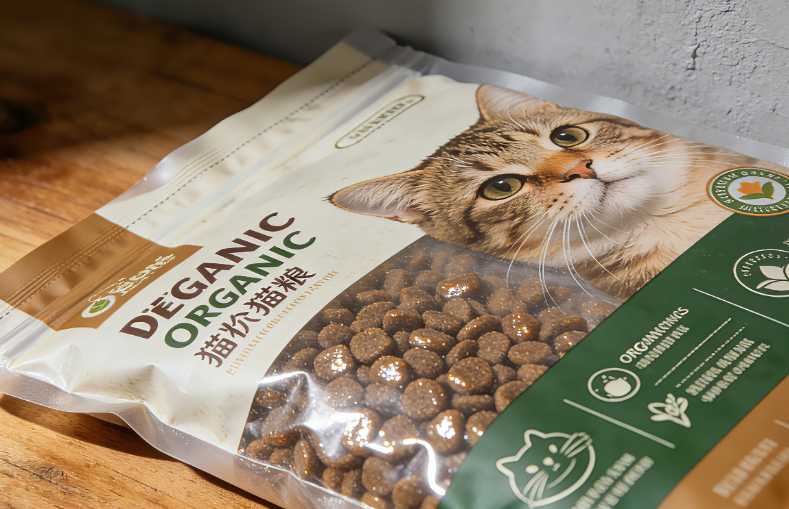
V.Difference between Organic and Natural Cat Food
Organic cat food must strictly adhere to the uniform rules set by the USDA for producers of organic human food,specifically:
1.Chemical fertilizers and herbicides must not be used in crop cultivation;
2.Livestock used for meat,milk,or egg production must be fed organic feed;
3.USDA-certified agencies conduct regular inspections of farmers and food companies'operations.
The American Association of Feed Control Officials(AAFCO)defines natural cat food as:"...a final form of feed or feed ingredient that is entirely derived from plant,animal,or mineral sources,not produced or processed using chemical synthesis processes,and contains no chemically synthesized additives or processing aids unless used in accordance with good manufacturing practices."
For cat food to be labeled"natural,"all its ingredients must meet the above definition from the AAFCO.If the product contains any artificial preservatives,flavorings,or colorings,the term"natural"cannot be used.
There is one exception:chemically synthesized vitamins,minerals,or micronutrients.These ingredients may be important in ensuring a balanced and comprehensive nutritional profile in cat food.Cat food containing such ingredients must be clearly labeled"natural,fortified with vitamins and minerals"to clearly inform consumers.
VI.Is organic cat food better?
Tufts University veterinary nutritionist Cailin Heinze states,"The key point is that there is currently very little evidence that organic food provides additional nutritional benefits to humans.This conclusion may be more applicable to pets,as pet food is designed with'complete balance'at its core,aiming to provide pets with all the essential nutrients at or above the recommended intake."
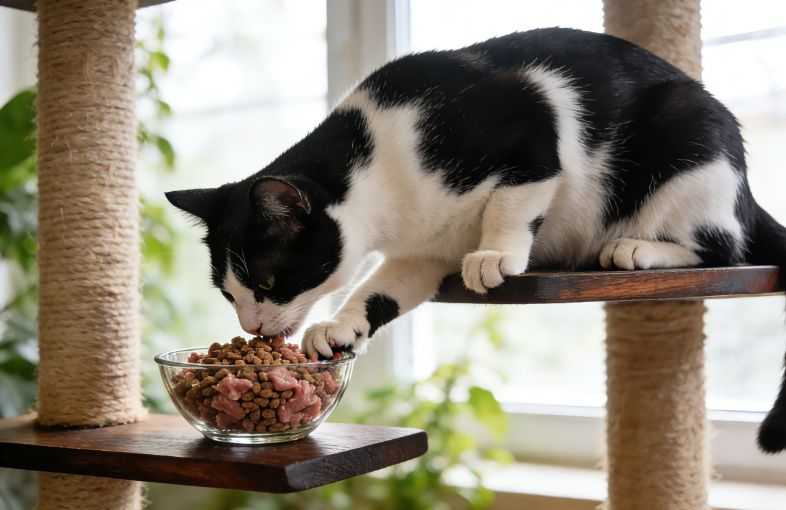
When choosing cat food,it is recommended that you focus on the"four basic ingredients"on the product label,specifically:
1.Protein(must be of animal origin);
2.Fat(such as fish oil);
3.Fiber(such as gum,beet pulp,etc.);
4.Water.

Some U.S.states have enacted regulations that clearly stipulate the minimum nutrient content that cat food must contain,as well as the maximum content of water and crude fiber,to ensure the basic quality of pet food.
To choose the most suitable cat food for your beloved cat,it is recommended that you consult a veterinarian promptly and conduct thorough preliminary research:thoroughly understand the qualifications of pet food companies and ensure that the company has certified veterinary nutritionists.Do not prioritize the"organic"label over the nutritional balance and quality control of cat food;that would be putting the cart before the horse.