Information
- Home
- cats

Does your cat have gastrointestinal sensitivity?Does it frequently vomit or pass hairballs?It's important to understand that hairballs are not a normal physiological phenomenon in cats—healthy cats naturally expel small amounts of hair swallowed while grooming.Frequent vomiting or hairballs may indicate an allergic reaction to certain ingredients in their food.
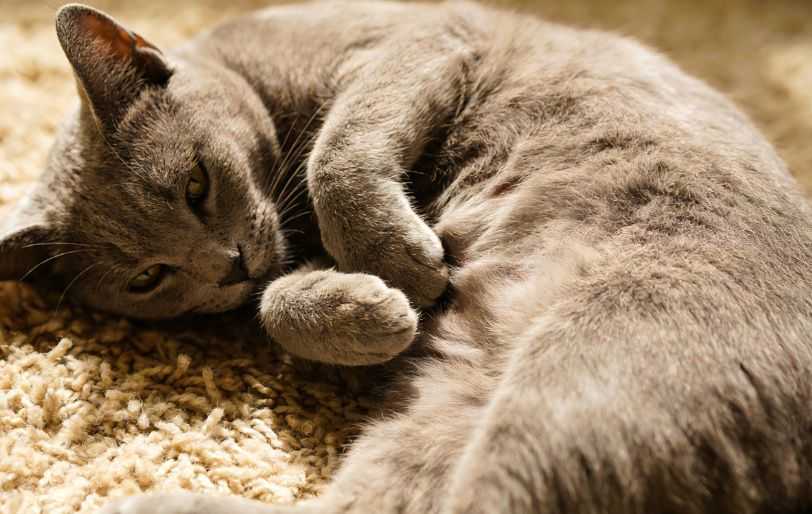
Common causes of gastrointestinal upset in cats include:indigestible food,food allergies,or irritation from food additives,flavorings,or preservatives.Adjusting the diet can often alleviate or even resolve gastrointestinal sensitivity,but the crucial rule is:never change your cat's diet without consulting a veterinarian,as this could worsen their health.The following details methods for identifying cats with gastrointestinal sensitivity,dietary choices,and supplementary treatments.
How to Determine if Your Cat Has a Sensitive Gastrointestinal System
Vomiting can be a sign of various illnesses,not just food allergies.Hairballs in cats are similar to common coughs and sneezes,the latter potentially indicating feline asthma.Therefore,a scientific diagnosis is necessary:
Veterinary Considerations:If your cat vomits food or hairballs once or more per month,or experiences weight loss,it is recommended to take it to a veterinarian immediately.
Diagnostic Preparation:When your cat exhibits symptoms,record relevant videos to provide the veterinarian with visual symptom information for accurate diagnosis.
Professional Diagnostic Process:The veterinarian will conduct a comprehensive examination of the cat.If necessary,blood tests,X-rays,and ultrasounds may be required to determine the underlying cause of the gastrointestinal discomfort.Ruleing out other diseases ensures targeted treatment for any potential health issues.
Dietary Selection Methods for Cats with Sensitive Gastrointestinal Systems:After ruling out other health problems,a suitable diet can be selected for your cat under the guidance of a veterinarian.The veterinarian will provide professional advice based on the cat's nutritional needs and dietary preferences to determine the ideal diet plan.Here is a commonly recommended dietary selection path by veterinarians:
(I)Food Trial Stage
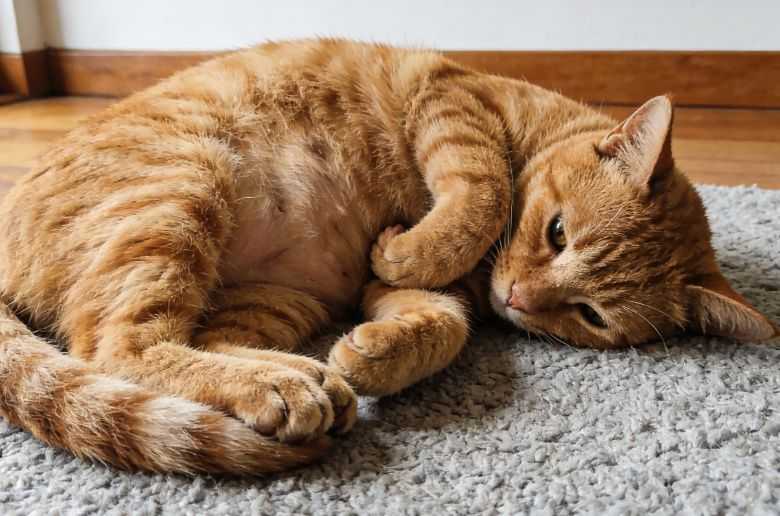
After the veterinarian confirms the cat's health is stable,a food trial is the appropriate next step.The core purpose of the trial is to gradually narrow down the food choices and find the types of food suitable for the cat's digestive system.Note:There is no"one-size-fits-all"diet suitable for all cats.Each cat's reaction to food varies,and precise selection requires the cooperation of a veterinarian.
Furthermore,it usually takes 3-4 months for a cat to completely metabolize old food.During this period,continuous observation is necessary to comprehensively evaluate the adaptability of the new food.
(II)Cat Food Selection Criteria for Cats with Sensitive Digestive Systems
Food suitable for cats with sensitive digestive systems should meet the core requirements of being"easily digestible and free of irritating ingredients":It usually has a moderate or low fat content and a balanced protein and carbohydrate content;some high-quality cat foods will add soluble fiber,Omega-3 fatty acids,high levels of antioxidant vitamins,and other ingredients beneficial to gut health,and are free of gluten,lactose,food coloring,and preservatives.(III)Trying and Choosing Hypoallergenic Cat Food
Food allergies are a common trigger for sensitive digestive systems in cats,with protein being the most common allergen.Cats may have allergic reactions to any protein they have come into contact with(common protein sources such as beef,chicken,and fish are highly allergenic),while proteins they have not been exposed to(such as rabbit meat)have a relatively lower probability of causing allergic reactions because their immune system does not respond.For cats with protein allergies,hypoallergenic cat food is the ideal choice,mainly divided into the following three categories:
Single-ingredient cat food:Contains only one protein source and one carbohydrate source,and can be purchased without a veterinary prescription(e.g.,Natural Balance®L.I.D.Chicken and Pea Formula Grain-Free Canned Cat Food).Note:This type of cat food lacks unified regulation,and the risk of cross-contamination during the production process cannot be completely avoided.
Veterinary prescription food containing novel proteins:The protein source is singular,and the production facilities are designed to prevent cross-contamination.It is suitable for cats with higher levels of allergies and requires a veterinary prescription.Hydrolyzed protein cat food:This type of food uses technology to break down proteins into smaller molecules,reducing the difficulty for the immune system to recognize them and decreasing allergic reactions.It requires a veterinary prescription(e.g.,Royal Canin®Veterinary Prescription Hydrolyzed Protein HP Dry Cat Food).
IV.Other Management Methods for Cats with Sensitive Gastrointestinal Gastrointestinal Gastrointestinal Symptoms
In addition to selecting suitable cat food,changing the diet or adjusting the feeding method may also improve symptoms of gastrointestinal sensitivity in cats:
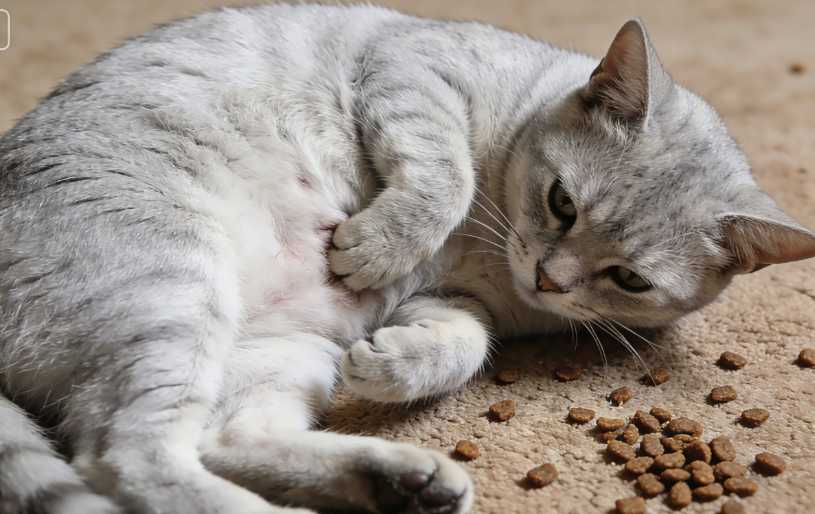
(I)Changing the Diet
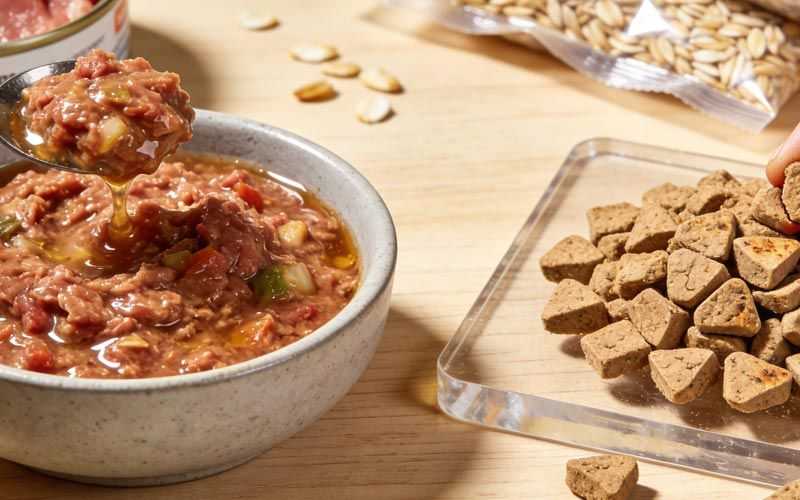
If the cat experiences discomfort after eating dry food,try low-carbohydrate,high-protein canned cat food(e.g.,Royal Canin®Veterinary Prescription Gastrointestinal Formula Medium Calorie Canned Cat Food,Purina®Prescription Gastrointestinal Formula Canned Cat Food);
If currently feeding wet food,try switching to dry cat food suitable for sensitive stomachs(e.g.,Royal Canin®Sensitive Digestive Formula Dry Cat Food).
(II)Adjusting the Feeding Method
Eating too quickly or in large portions can easily cause vomiting after meals(commonly known as"wolfing down food and then vomiting").Physiologically,a cat's stomach is only about the size of a ping-pong ball,naturally suited to a"small,frequent meals"eating pattern—consistent with their primal hunting and foraging habits.Eating large amounts at once easily leads to regurgitation.
The core advantage of small,frequent meals is reducing the time food stays in the stomach,improving digestive and absorption efficiency.This can be achieved by:feeding small,measured meals multiple times a day,avoiding providing large amounts of food at once;and using veterinarian-recommended professional feeding tools(such as the Doc&Phoebe’s™Indoor Hunting Cat Feeder Kit)to divide food into multiple bowls and hide them throughout the house,mimicking natural foraging behavior.This method controls food intake,increases the cat's activity level,reduces feeding stress,and has been shown to reduce or eliminate vomiting.