Information
- Home
- health

Almost every pet owner has experienced the annoyance of fleas.These pesky parasites can cause puppies to excessively bite,scratch,and lick;in severe cases,flea infestations can lead to a range of health problems,including anemia,tapeworm infection,skin rashes,and bacterial infections.
Dr.Judy Morgan(DVM),an integrative veterinarian in New Jersey,points out that puppies are particularly vulnerable to flea-related health problems,and even mild to moderate infestations can threaten their health.She explains that because puppies are small and their physiological functions are not yet fully developed,flea infestations are more likely to cause anemia,leading to weakness,difficulty breathing,and in severe cases,even death.

Fortunately,flea infestations can be effectively managed through scientific preventative measures and thorough home cleaning.The following details methods for detecting,treating,and preventing flea infestations in puppies.
I.How to Spot Fleas on a Puppy
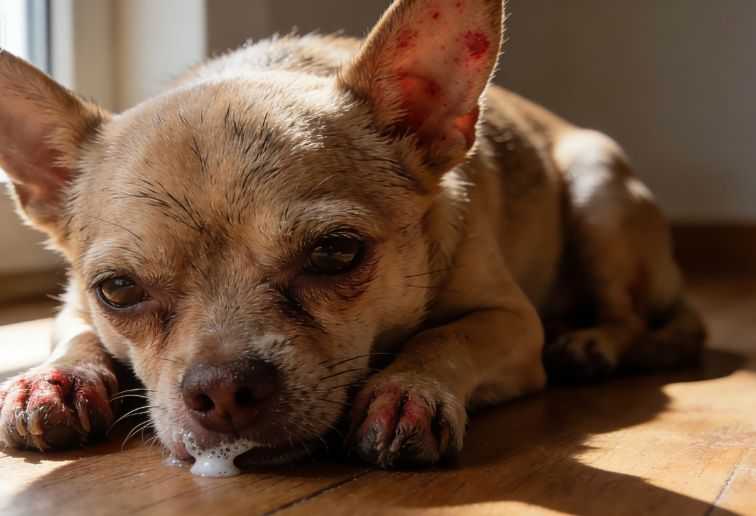
"Early detection of fleas is crucial for ensuring a puppy's safety and preventing flea infestations,"says Dr.Rob Hans,a veterinarian at Sunset Animal Clinic in Houston.Fleas typically appear as small red bumps or scabs on a puppy's body.
Common signs of flea infestation include:
-Frequent itching
-Redness and inflammation of the skin
-Small bumps on the skin
-Biting the skin
-Visible fleas or flea droppings
Using a flea comb to brush a puppy's fur can help identify fleas and flea droppings.
Dr.Hans recommends that when brushing a puppy,pay close attention to whether it shows symptoms of flea bite dermatitis,which usually occurs when a puppy is allergic to flea saliva.
“Puppies with flea bite dermatitis will exhibit excessive scratching and may develop red,inflamed,and infected patches of skin,commonly known as hot spots,”he added.
In severe flea infestations,puppies may also show symptoms such as weight loss,pale gums,and lethargy.
Dr.Morgan recommends that owners check their puppies for flea activity daily,up to three times a day.
Dr.Hans cautions that if owners suspect their puppy has a flea infestation or if the puppy exhibits any worrying symptoms,they should take it to a veterinarian immediately.A veterinarian can accurately diagnose the puppy's flea infestation and prescribe an age-appropriate treatment plan.
II.How to Get Rid of Fleas on Puppies
Timely and regular flea treatment for puppies helps curb the spread of flea infestations and prevent various flea-related health problems.
Using Dawn shampoo to bathe puppies can help remove fleas.Use lukewarm water for bathing(never use hot water),and thoroughly dry the puppy afterward.This method is generally safe for puppies 8 weeks and older.
For puppies 12 weeks and older,you can use a flea shampoo specifically formulated for puppies,such as Advantage flea and tick shampoo for dogs,to relieve skin irritation caused by fleas.Note that most flea shampoos do not provide long-term flea control;if you plan to use medicated flea shampoo in conjunction with topical flea medication,consult your veterinarian beforehand to avoid adverse side effects.
Using flea and tick prevention medication is the best way to prevent subsequent flea infestations.
Most flea and tick treatments can be started around 8 weeks of age in puppies,but the minimum age of use may vary between products;strictly follow the product instructions.
Credelio Quattro is a suitable option.This product is a chewable tablet formulated for dogs 8 weeks and older and weighing at least 3.3 pounds(approximately 1.5 kg).It effectively kills fleas and also combats ticks,heartworms,and three intestinal parasites:roundworms,hookworms,and tapeworms.
This medication can kill over 99%of fleas within 8 hours,and its effects last for one month.It is a prescription medication and requires a veterinary prescription.
In addition,some commonly used puppy flea treatments are suitable for puppies up to 6 weeks old,such as Revolution kitten and puppy topical drops.This product is a liquid solution;simply apply it to the skin below the puppy's neck to kill adult fleas and prevent flea eggs from hatching,effectively preventing reinfection.
It is particularly important to note that puppies naturally like to lick and chew,meaning that any products used by their owners may eventually be ingested,especially when multiple puppies are together and climbing and chewing on each other.
Therefore,always consult a veterinarian before using any prescription or over-the-counter medications to obtain recommendations for safe products suitable for your puppy.

III.How to Eliminate Fleas in Your Home
Dr.Morgan states that fleas only spend 5%of their time on their host,spending the rest of their time hiding in the home environment,such as carpets and sofas.
“Treatment of the puppy alone without addressing the home environment is often insufficient for complete flea eradication,”she emphasizes.
Owners need to thoroughly clean the house,removing any flea eggs or larvae that may be hiding in carpets,blankets,and furniture.
Dr.Hans adds that all floors and upholstered furniture should be vacuumed,and the vacuum bag should be disposed of immediately afterward to prevent the spread of flea eggs or larvae.
Depending on the product's age restrictions,flea sprays specifically formulated for home environments can be used,such as Advantage flea spray for dogs.This product can be sprayed directly on dogs 6 months and older,and can also be applied to carpets,upholstered furniture,and floor crevices to kill fleas,flea eggs,flea larvae,ticks,and lice.
Advantage carpet and upholstered furniture flea spray should not be used on pets,but can be sprayed on carpets,blankets,furniture,wooden and ceramic surfaces to kill fleas.
"Don't forget to wash your and your puppy's bedding with hot water and soap to ensure all flea larvae and eggs are thoroughly removed,"Dr.Hans advises.
Dr.Hans also recommends treating your yard for fleas to help prevent them from breeding again.Planting plants such as sage,rosemary,basil,mint,or lemongrass near the front and back doors can help repel fleas with their scents.
IV.How to Prevent Fleas in Puppies
To prevent flea infestations in puppies from the source,owners should administer preventative medication to their puppies after they reach the appropriate age,maintain a clean living environment,and prevent them from coming into contact with areas where fleas may breed or with other pets.
(I)Initiating Flea Prevention Measures
Flea prevention products for puppies come in various forms,including topical medications,oral medications,and collars.Most products require puppies to be at least 6-8 weeks old before use,but different products have different age and weight requirements.Owners must strictly choose products suitable for their puppy's age and size.
Regardless of the type of flea prevention product chosen,it must be used regularly throughout the year without fail,and the product instructions and veterinarian's advice must be strictly followed.
(II)Maintaining a Clean Living Environment for Puppies
Even if a puppy is using flea prevention medication,fleas can still be brought into the home by visitors(including humans and other animals).Therefore,maintaining a clean home environment is a crucial step in preventing flea infestations.
-Regularly wash your puppy's bedding,blankets,and toys with hot water;

-Frequently vacuum carpets,blankets,and furniture to remove flea eggs and larvae;
-Use a puppy-safe flea prevention spray or powder at home.
(III)Avoid High-Risk Areas and Animals
For puppies that are too young to receive flea prevention medication,owners should prevent them from coming into contact with areas and animals that may harbor fleas.
-Avoid allowing puppies to roam freely in areas with high flea prevalence,such as tall grass,dog parks,and areas frequented by stray animals;
-Keep outdoor areas clean and mow lawns regularly to reduce flea hiding places;
-Keep puppies away from other pets that may carry fleas and are not treated.