Information
- Home
- health

Hearing loss is a common phenomenon as dogs age,and they are no exception.Although hearing aids for dogs are not yet widespread,pet owners can help their senior dogs cope with hearing decline and maintain their quality of life through various interventions.
Dogs generally have a strong ability to adapt to their environment;with appropriate adjustments,they can maintain a comfortable and happy lifestyle.

Key Points
-Hearing loss is common in senior dogs and often develops gradually.
-Typical signs of hearing loss in senior dogs include:unresponsiveness to familiar sounds,easy startling,and lack of response to their own name.
-Veterinarians can perform basic hearing tests and may recommend a brainstem auditory evoked potential(BAER)test for a definitive diagnosis.
-Adjusting your communication style with your dog can help them adapt to hearing loss and maintain a good quality of life.
I.Is hearing loss normal in senior dogs?
Yes,hearing loss is a typical age-related physiological change in senior dogs,a phenomenon known as presbycusis,or age-related hearing decline.Age-related hearing loss typically appears in the latter third of a dog's life expectancy and gradually worsens over time,potentially leading to complete deafness or only presenting as hearing loss.
Age-related hearing loss is often bilateral.Dogs usually first lose their ability to perceive mid-to-high frequency sounds(such as whistles),eventually affecting the perception of all frequencies.The most common cause is the degeneration of inner ear structures,including the hair cells and organ of Corti that respond to sound wave vibrations.Age-related degenerative changes in the brain may also play a role.

II.Typical Signs of Hearing Loss in Senior Dogs
Because age-related hearing loss progresses slowly,most dogs adapt well initially.Therefore,pet owners may mistakenly believe their dog has suddenly become deaf,when in fact the process may have been ongoing for months or even years.Common signs include:
-No response to sound:The dog may no longer respond to familiar sounds such as thunder or the sound of a garage door opening.
-No response to name and training commands:Dogs may not turn their heads or obey commands when called by their name.This is not stubbornness or"selective listening,"but rather an inability to perceive the call due to hearing loss.
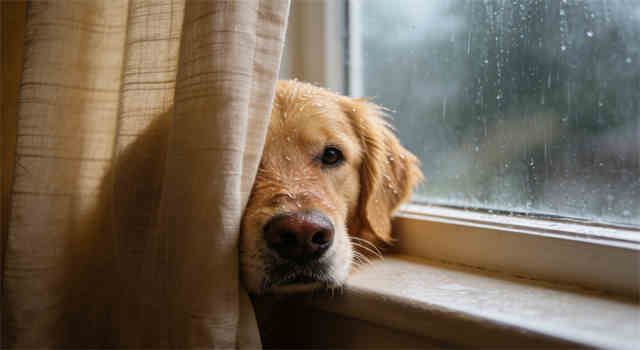
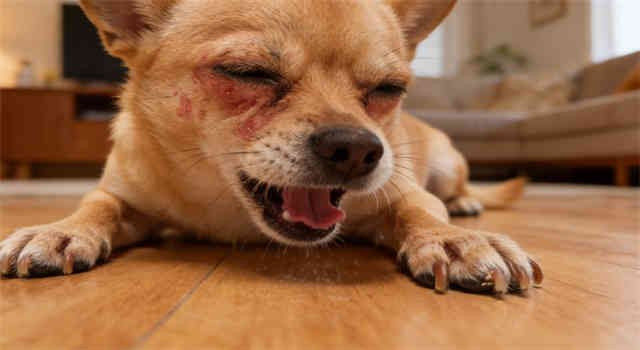
-Behavioral changes:Some dogs may become withdrawn and less active due to reduced environmental stimulation;others may exhibit anxiety,clinginess,confusion,disorientation,or even aggression.Being easily startled when approached from behind is also a typical sign.
-Abnormal ear movement:Dogs usually turn their ears towards the sound source to enhance hearing.If the ears move very little,it may indicate hearing loss.
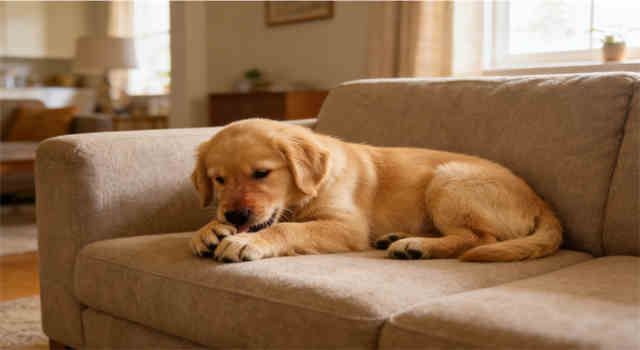
-Deeper sleep:Dogs become indifferent to sounds that previously awakened them,and their sleep becomes much deeper.
-Changes in barking behavior:Some dogs bark less because they cannot perceive the sounds that trigger barking;others may increase the frequency or volume of their barking,possibly because they cannot hear their own barking.
III.Veterinary Examination Methods for Canine Hearing Loss
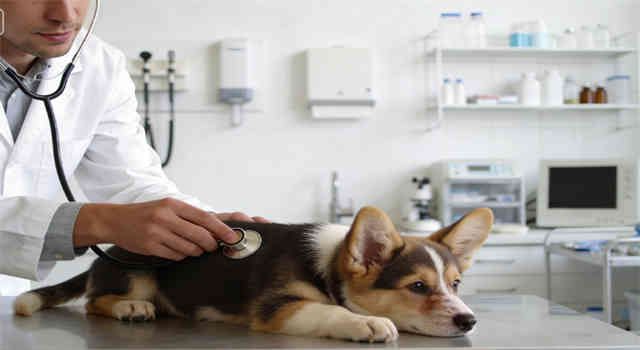
If you suspect your dog has hearing loss,you should schedule a veterinary examination.Ear infections,canine cognitive impairment,and other health problems can all cause symptoms similar to age-related hearing loss,requiring professional examination for differential diagnosis.
The veterinarian will take a detailed health history of the dog and conduct a physical examination,focusing on the condition of the ear canals.Basic hearing tests may also be performed,such as clapping the dog's hands while its back is turned to the veterinarian,or observing the dog's reaction by bringing a tuning fork close to its ear.While these tests are not absolutely accurate,they can provide a preliminary assessment of the presence of hearing abnormalities.
The only definitive diagnosis of hearing loss in dogs is the brainstem auditory evoked potential(BAER)test.This non-invasive neurological examination measures the brain's electrical activity response to sound and takes only a few minutes.However,because this test usually requires referral to a specialized veterinary hospital or veterinary college,it is rarely used as a routine examination for suspected hearing loss in older dogs.
IV.Measures to Help Older Dogs Cope with Hearing Loss

Hearing loss in older dogs can cause stress for both owners and their pets,but with appropriate adjustments,older dogs can still maintain a healthy and happy life.Specific measures are as follows:
1.Adjust communication methods:As hearing deteriorates,the effectiveness of verbal commands gradually weakens.It is recommended to combine core behavioral commands(such as"sit,""stay,"and"come")with unique hand gestures while the dog still retains some hearing.Even if the dog is completely deaf,it can still learn new hand gesture commands through training.
2.Explore new ways to attract attention:Deaf dogs can sense vibrations.If your dog is lying down and doesn't notice you,you can stomp your feet to create vibrations to get its attention.Additionally,the Bousnic 3350FT remote-controlled vibrating training collar(which only produces gentle vibrations and has no electric shock function)is an excellent tool for training dogs to pay attention to their owner's hand gestures.
3.Avoid startling the dog:Never approach a hearing-impaired dog silently.A startled dog may be injured or even become aggressive due to fear.Visitors(especially children)should be reminded to only approach when the dog is facing them.
4.Enhance safety:Dogs with hearing loss are at higher risk of injury(such as being hit by a vehicle).When out in public,ensure they are in a fenced area or on a leash.
5.Enhancing other senses:Provide toys that stimulate other senses such as smell and touch,such as Pet Parents Forager sniffing mats and KONG Licks treat-dispensing toys,to enrich your dog's daily activities.
If your dog struggles to cope with hearing loss,consult a veterinarian.Small studies suggest a possible link between hearing,cognitive function,and quality of life in dogs;early intervention is crucial for maintaining their health.