Information
- Home
- health

Crystals in dog urine are a relatively common phenomenon,detectable through urinalysis(microscopic examination of a urine sample).Whether you should be concerned if crystals are detected in your dog's urine depends on the specific circumstances.
Some types of crystals are considered normal physiological phenomena in dogs.Crystals form when urine is supersaturated with minerals,similar to the precipitation of salt crystals in a bucket after seawater evaporates.However,a large number of crystals,or a specific type of crystal,may indicate an underlying disease in your dog,or even a rare genetic problem.
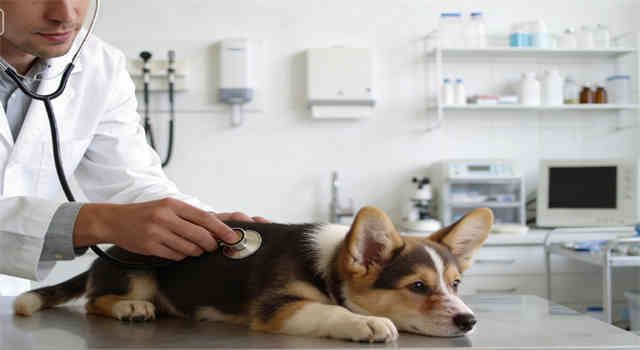
What are crystals in dog urine?
Normally,the presence of crystals in dog urine does not cause any obvious symptoms.However,if crystals in your dog's urine are accompanied by changes in urination frequency or abnormal urine color,these crystals may be an important warning sign from the body.
After each meal and drink,dogs absorb nutrients from their food and excrete metabolic waste.Some waste is broken down and excreted through feces,while the rest is excreted through urine.
Urine is formed by the kidneys filtering blood.The kidneys separate salts,metabolic waste products,and water from the blood,and these components together constitute urine.Urine flows from the kidneys through the ureters(tiny tubing)into the bladder,where it is stored until it is expelled through the urethra when needed.
Normal urine is a balanced system of water,minerals,acidic substances,and protein breakdown products(such as urea).This balance is crucial for the health of a dog's urinary system.If a certain mineral is present in excessive amounts in the urine,it can precipitate and form solid crystals.
Sometimes,crystals in urine can accumulate in large quantities.Under certain conditions—such as excessive mineral intake in the diet,high crystal concentration in the urine,insufficient urine concentration,bladder infection,or abnormal urine pH—bladder stones may form.
Bladder stones resemble pebbles in the bladder and can cause severe discomfort to dogs.
As long as your dog urinates normally and the urine flow is smooth,urine crystal problems can usually be gradually improved through nutritional management.If a dog experiences difficulty urinating or is unable to urinate,it is a medical emergency.Untreated urinary tract obstruction can lead to kidney failure and even death.
What do crystals in dog urine look like?
Urine crystals are usually not visible to the naked eye.Abnormalities that pet owners are more likely to notice include:increased frequency of urination,prolonged urination time,decreased volume of urine per urination,or blood in the urine.
Urine crystals can only be identified under a microscope.Some crystals are transparent,square or rectangular,resembling gemstones;others are more like crystal fireworks or hexagons.
When there are too many crystals in a dog's urine,they may aggregate to form sand-like precipitates,which can be observed in the urine.
Types of Crystals in Dog Urine
Calcium Oxalate Crystals:This type of crystal is one of the most common in dogs.Certain breeds are more prone to this type of crystal,including Pomeranians,Miniature Schnauzers,Bichon Frises,Maltese,Yorkshire Terriers,Lhasa Apso Dogs,and Miniature Poodles.The presence of large amounts of calcium oxalate crystals can even aid in the diagnosis of antifreeze poisoning.
Struvite crystals:Another common type of crystal,usually associated with urinary tract infections(UTIs).Labradors,Cocker Spaniels,Shih Tzus,and Bichon Frises are more susceptible,but these crystals can appear in dogs of all ages and breeds.
Ammonium urate crystals:These crystals are more likely to appear in dogs with hepatic shunting or genetic mutations.Miniature Schnauzers,West Highland White Terriers,Yorkshire Terriers,and Pekingese are more prone to these crystals due to hepatic shunting;while Dalmatians may develop them due to genetic problems related to abnormal uric acid metabolism.
Cystine crystals:A rare type of crystal,forming in dogs with hereditary kidney diseases where the kidneys cannot reabsorb cystine amino acids as normally.These crystals are common in Labradors and Newfoundlands.
Symptoms of Urine Crystallization in Dogs
-Increased urination frequency
-Significantly increased water intake
-Straining or discomfort during urination
-Blood in urine
-Indiscriminate urination at home(abnormal excretory behavior)
-Abnormal urine color
-No obvious symptoms
Causes of Urine Crystallization in Dogs
When the mineral content in a dog's urine is supersaturated,and the pH and concentration of the urine are suitable for crystal formation,crystals will form in the bladder.Supersaturation of minerals in urine is the result of a combination of factors,including genetics,nutrition,and underlying diseases.
Genetic Factors:As mentioned above,some dog breeds are more prone to urine crystallization than others,which is closely related to the way their kidneys and liver metabolize compounds.
Nutritional Factors:Nutrition plays an important role in the formation,treatment,and control of urine crystallization.Even if two dogs in the same household eat the same food,only one may develop urine crystallization problems.This is mainly because that dog has a genetic predisposition to ingest excessive minerals.
Potential medical factors:Urinary tract infections can alter the pH balance of the bladder,leading to inflammation and debris buildup,which can induce crystal formation.
Other conditions,such as high blood calcium levels(hypercalcemia),can also cause urine crystal formation.High blood calcium levels can be caused by a variety of diseases,including kidney disease,parathyroid disease,Addison's disease,and some cancers.
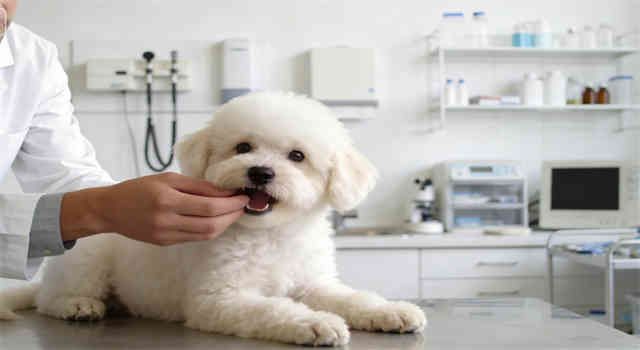
How veterinarians diagnose urine crystals in dogs:
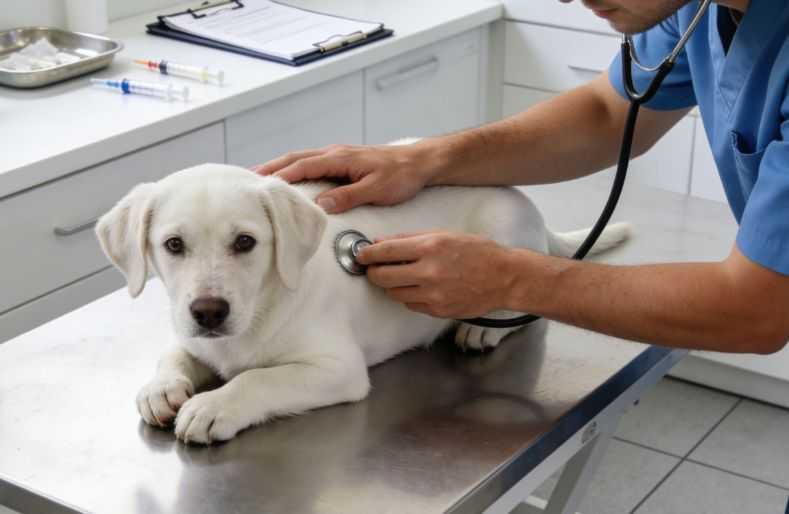
Veterinarians can diagnose urine crystal formation by examining the dog's urine under a microscope.If your dog exhibits abnormal urination,your veterinarian may ask you to bring a urine sample to the clinic for testing.
The best time to collect a urine sample is in the early morning.Because the dog's bladder is full during the night,the urine concentration is usually highest in the morning,making it easier to test.
When collecting urine,use a clean,shallow plastic container or a clean spoon,placing it under the stream of urine to catch it as the dog urinates.Veterinarians typically require urine samples to be as fresh as possible;therefore,ideally,the sample should be delivered to the clinic on the day of collection.
If there is an anticipated time gap between sample collection and delivery to the clinic,the sample should be refrigerated until arrival.
Upon receiving the urine sample,the veterinarian will perform a comprehensive urinalysis to determine the type and quantity of crystals and the overall condition of the urine.
Treatment of Canine Urine Crystals
Urine crystals are usually treated with nutritional therapy.Sometimes,the veterinarian may recommend changing the dog's current diet to a therapeutic diet.Such diets aim to create a healthy urinary tract environment,thereby inhibiting the formation of specific types of crystals and stones.Note that therapeutic diets must be approved by a veterinarian before use.
Therapeutic urinary diets help dissolve crystals in the dog's urine or minimize future crystal and stone formation by adjusting the target pH and mineral composition of the urine.
If the dog also has a urinary tract infection(such as an infection associated with magnesium ammonium phosphate crystals),the veterinarian may prescribe antibiotics.
Typically,veterinarians will collect urine samples from dogs for urine culture and antibiotic sensitivity testing to identify the type of bacteria proliferating in the urinary tract and select the most effective antibiotic to eliminate the infection.Please strictly follow the antibiotic instructions and administer the full course of treatment;do not discontinue medication without consulting your doctor.
Treatment and Management of Canine Urine Crystals
The effectiveness of treating canine urine crystals depends on the type of crystal and individual differences in the dog.Some types of crystals(such as magnesium ammonium phosphate crystals)can be effectively treated and cleared by curing the urinary tract infection and following the veterinarian's recommended diet.
Urinary tract infections can usually be cured quickly with a course of antibiotics lasting 5 days to 2 weeks.However,in some cases,veterinarians may recommend a lifelong therapeutic urinary tract diet for the dog.
If a dog has a genetic predisposition to forming a specific type of urine crystal,clearing the crystals and preventing recurrence will be relatively more difficult.If the dog has underlying health problems such as hypercalcemia or hepatic shunt,controlling these underlying conditions is crucial to reducing future crystal formation.
The recurrence rate of urine crystals is relatively high.If your veterinarian recommends feeding your dog prescription food,be sure to consult your veterinarian before stopping this diet;do not make this decision on your own.
Furthermore,after discontinuing prescription food and transitioning to the new diet,have your dog's urine checked regularly to help detect any recurrence of crystallization.
While your dog is recovering from urine crystallization,it is recommended to observe its urination daily.If you notice an increase in the frequency of urination,difficulty urinating,or blood or abnormal color in the urine,collect a urine sample immediately and take it to your veterinarian for examination.