Information
- Home
- health
Rabbit obesity is a metabolic disorder caused by an imbalance between calorie intake and daily activity/exercise expenditure,leading to excessive fat accumulation in the body.Timely intervention is necessary to prevent various health complications.
Obesity in rabbits is usually caused by a combination of factors,including improper diet,insufficient exercise,or underlying diseases,with diet and exercise being the most common contributing factors.
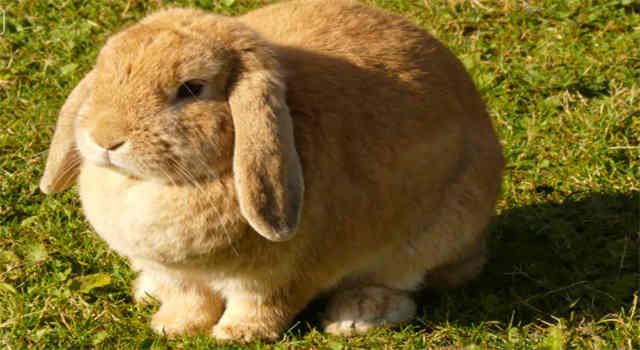
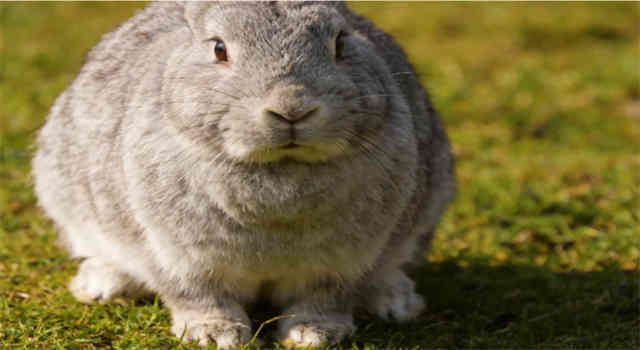
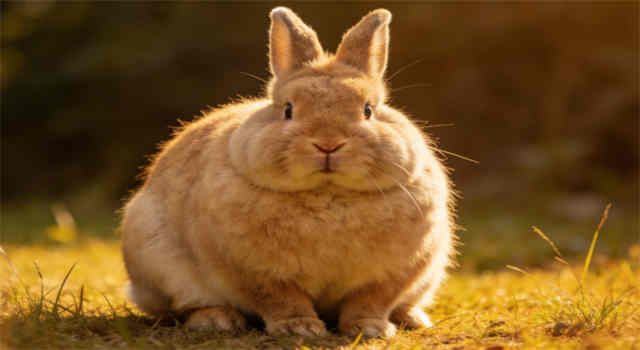
Obese rabbits typically exhibit typical physical signs,including a distended abdomen,fat folds under the jaw(commonly known as dewlaps),and fat accumulation around the armpits.Excess calories are converted into fat and stored throughout the body,including around internal organs and in subcutaneous tissue beneath the skin.Long-term accumulation can lead to a range of health problems.
For example,obese rabbits may experience decreased mobility,making self-grooming difficult,especially around the hind legs,resulting in urine or feces contaminating their fur.The skin folds formed by fat accumulation are also prone to bacterial or yeast growth,causing skin irritation and inflammation.In addition,obesity in rabbits can induce chronic low-grade inflammation,making them susceptible to arthritis,gastrointestinal stasis,plantar dermatitis,cancer,liver disease,heart disease,and urinary sludge(crystal deposits in the bladder).The crystals in the bladder may further mineralize to form stones and cause urinary tract infections.
It is particularly important to note that obesity itself is a gradual process and usually does not immediately constitute a medical emergency.However,if symptoms such as difficulty breathing,loss of appetite,or abnormal feces appear,immediate veterinary attention is necessary to prevent the condition from worsening.
The clinical symptoms of obesity in rabbits are highly specific,mainly including the following aspects:
-Mental state and activity:Lethargy,significantly reduced activity levels,and decreased frequency of spontaneous jumping and exploratory behaviors;
-Physical signs:Obvious fat accumulation in the abdomen,armpits,jaw,and between the hind legs,resulting in a bloated body shape;
-Skin health:Inflammation and dermatitis easily occur in skin folds,or accompanied by matted and soiled fur;
-Physiological function:Foot dermatitis(foot inflammation),slowed gastrointestinal motility,and possible abnormal fecal appearance;
-Fur condition:Fur is fluffy and messy,with significantly reduced cleanliness due to decreased self-cleaning ability;
-Motor ability:Difficulty jumping and running,sluggish movements,and decreased physical flexibility.
The occurrence of obesity in rabbits is mainly related to factors such as diet,exercise,individual differences,and underlying diseases,specifically as follows:
1.Improper diet:Long-term feeding of high-calorie foods is the core cause of obesity.For example,rabbit pellets rich in carbohydrates,excessive treats,and fruits with high sugar content such as apples and carrots can all lead to excessive calorie intake and abnormal weight gain.
2.Insufficient exercise:Rabbits confined to small cages for extended periods lack sufficient space for daily activity,preventing them from jumping and running.This results in insufficient calorie expenditure,with excess calories being converted into fat and stored in the body,ultimately leading to obesity.
3.Impact of underlying diseases:Some rabbits have disabilities,arthritis,or other chronic diseases that limit their mobility and significantly reduce their activity levels.If their diet is not adjusted in time,they are prone to obesity.Additionally,some underlying metabolic diseases may indirectly lead to abnormal weight gain.
4.Individual and Breed Differences:Some rabbit breeds have a higher tendency to become obese.For example,larger breeds like the sturdier dwarf rabbit and the Flanders Giant rabbit are more prone to obesity compared to other breeds.Middle-aged rabbits(4-5 years old)have a significantly increased risk of obesity due to a slower metabolic rate.Spayed or neutered rabbits are even more likely to gain weight due to hormonal changes,thus requiring close monitoring and management of their diet.
Veterinary diagnosis of rabbit obesity primarily involves a comprehensive assessment of the rabbit's weight,body condition,and overall health.The specific process is as follows:
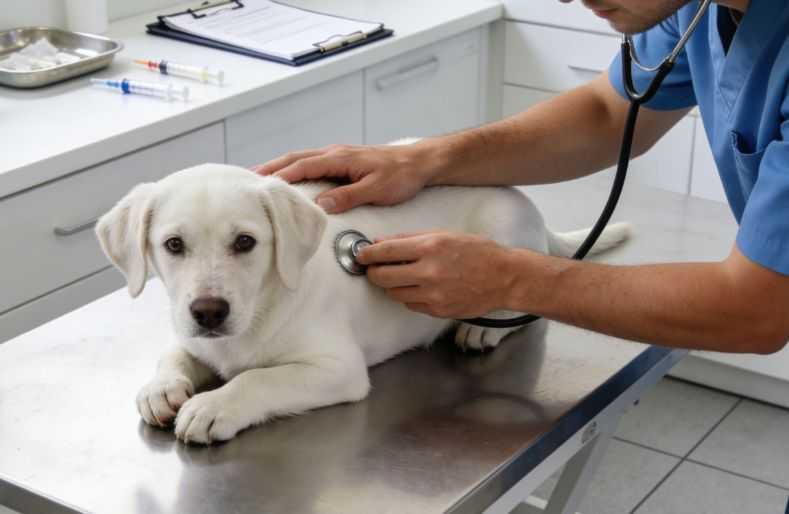
Due to the unique body composition of rabbits,there is currently no universally accepted standardized body condition scoring system.However,this scoring method can still serve as a subjective reference to help determine whether a rabbit's weight is appropriate.During the physical examination,the veterinarian will visually assess the rabbit's overall condition,while palpating key areas such as the ribs,spine,and pelvis to determine the ease of access to these skeletal structures and assess the degree of fat accumulation.Additionally,the veterinarian will examine the size of the dewlap,the clarity of the waistline,and the difficulty of palpating internal organs.Based on these observations,the veterinarian will determine if the rabbit's body condition meets the ideal weight standard.
If an underlying disease or obesity-related complications are suspected,the veterinarian may perform the following diagnostic tests to clarify the cause and assess the condition:
-Complete blood count(CBC):This tests the number of white blood cells,red blood cells,and platelets to determine if the rabbit has abnormalities such as infection,anemia,or dehydration;
-Biochemical tests:These test the body's electrolytes,enzymes,and organ function indicators,focusing on ruling out complications such as hepatic steatosis,which is common in obese rabbits that have stopped eating;
-X-ray examination(radiography):This uses imaging data to assess for arthritis in the joints,gastrointestinal motility,and to rule out abdominal swelling caused by organ disease.
Important Reminder:Do not fast your rabbit before the above examinations.Unlike humans,rabbits need a constant supply of food and water to maintain normal gastrointestinal motility and health,and to avoid gastrointestinal dysfunction caused by fasting.During the examination,ensure that the rabbit's cage has sufficient hay and a small water bottle to ensure its hydration.Also,truthfully inform the veterinarian of any abnormalities observed at home(such as diarrhea,changes in urine characteristics,abnormal breathing,etc.)to provide a reference for developing the examination plan and ensure the accuracy and specificity of the diagnosis.
The core of treating rabbit obesity is to scientifically adjust the diet and gradually increase exercise.A personalized plan should be developed under the guidance of a veterinarian.Specific measures are as follows:
1.Dietary Adjustment:The veterinarian will,based on the rabbit's current diet and weight,guide the owner to gradually reduce the amount of grain mixture and high-calorie pelleted feed over several weeks,while introducing low-calorie,lightweight pelleted feed as a substitute to reduce calorie intake.1.**Dietary Requirements:**Ensure rabbits receive sufficient indigestible fiber,primarily from hay,which is crucial for weight loss and maintaining gastrointestinal health.Ensure rabbits have easy access to hay,prioritizing low-calorie,high-fiber first-harvest hay to further promote calorie expenditure and intestinal motility.Fresh leafy green vegetables can be fed in small amounts as supplementary food,but portion control is essential to prevent excessive calorie intake.
2.**Exercise Intervention:**Exercise is a key supplementary method for rabbit weight loss.Encourage rabbits to engage in ample daily activity.This can be achieved by providing toys,tunnels,and safe play areas(such as playpens)to encourage jumping and exploration.Additionally,use educational toys and interactive devices to stimulate physical and mental activity and increase calorie expenditure.
3.**Precautions:**Adjustments to diet and exercise should be gradual,implemented over several weeks to avoid sudden changes that could cause gastrointestinal discomfort or loss of appetite.Weight loss in rabbits is a long-term process,typically requiring weeks to months.Maintaining a regular diet and exercise routine is crucial to prevent weight regain.Unless the rabbit has other underlying medical conditions requiring medication,obesity itself usually does not require drug intervention.If your rabbit stops eating during the weight loss process,immediately supplement its diet with Oxbow Critical Care Herbivore nutritional formula and seek veterinary care promptly.
Once your rabbit reaches its ideal weight,maintain the adjusted diet and exercise routine to prevent weight regain.Specific management measures are as follows:
1.Habit Maintenance:Strictly avoid reverting to the previous high-calorie diet or excessive snacking.These actions will quickly reverse the weight loss effect,causing the rabbit to gain weight abnormally again.A low-calorie,high-fiber diet and regular exercise are essential for the long term.
2.Weight Monitoring:It is recommended to weigh your rabbit weekly using a reliable electronic scale(such as the Brecknell MS15 digital pet scale)to monitor weight changes in real time and ensure it remains within a healthy range,preventing continuous weight loss or rebound.Record weight trends to track long-term health.
3.Regular Checkups:During the rabbit's recovery process,take it for regular veterinary checkups.This effectively assesses its overall health,confirms that its weight is within the ideal range,and allows the veterinarian to adjust the diet or exercise plan as needed based on the rabbit's condition.Owners need to actively monitor their rabbits'weight and health to ensure their long-term well-being.