Information
- Home
- health

It's important to note that not all canine health problems can be alleviated through home care.If your dog exhibits any of the following conditions,it's recommended to seek treatment under the professional guidance of a veterinarian.
Treatment of these problems yourself may not only delay optimal treatment but could also worsen the condition and increase the difficulty of subsequent treatment.
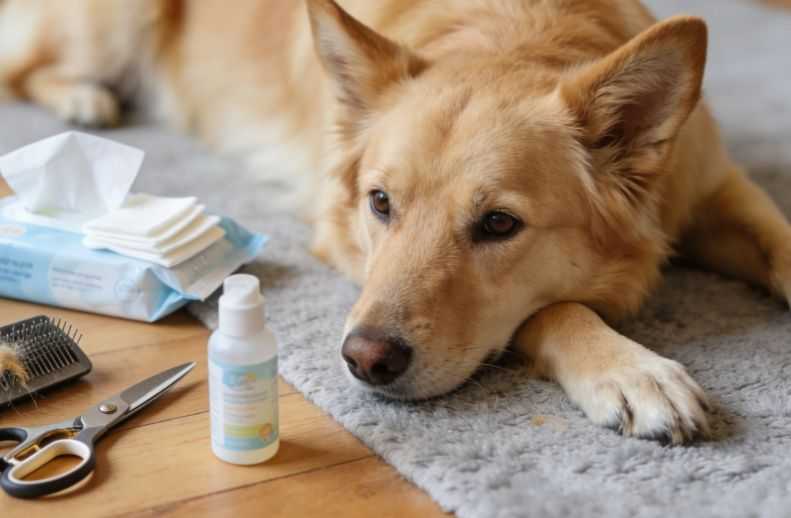
1.Bad Breath
If a dog's bad breath cannot be improved through proper oral hygiene,it may require dental surgery under anesthesia.This allows the veterinarian to accurately diagnose the dog's oral condition and treat any underlying causes such as periodontal disease.
2.Black or Bloody Stools
While small amounts of bright red blood in the stool may be caused by mild intestinal inflammation,a veterinarian needs to perform blood tests to determine if the dog has clotting abnormalities or serious gastroenteritis requiring hospitalization,avoiding the omission of more serious causes.
3.Anal Bleeding
The causes of anal bleeding are varied,and a veterinarian can accurately determine the source of the bleeding through professional examination.Anal gland infection is a common cause of rectal bleeding,requiring targeted treatment with antibiotics.In rare cases,anal bleeding may be caused by anal masses,trauma,or other problems,potentially requiring surgical intervention.
4.Gastric Bloating
If gastric bloating in a dog leads to gastric torsion,it is a life-threatening emergency.A veterinarian can use X-rays to determine the severity of the bloating and whether medication or surgery is necessary to alleviate the dog's dangerous condition.
5.Hematuria/Bladder Infection
Hematuria is not solely caused by bladder infection.A veterinarian can use urinalysis to determine if antibiotics are needed.X-rays can also help rule out bladder stones,as the clinical symptoms of bladder stones are highly similar to hematuria and require professional examination for differentiation.
6.Coughing/Wheezing
If a dog's cough persists for more than a week,or if the cough is affecting its sleep or eating,an X-ray is necessary to determine the cause.Treatment plans for pneumonia and heart failure differ significantly,but the cough symptoms caused by these two diseases are often quite similar.Accurate differentiation requires professional examination to avoid misdiagnosis and mistreatment.
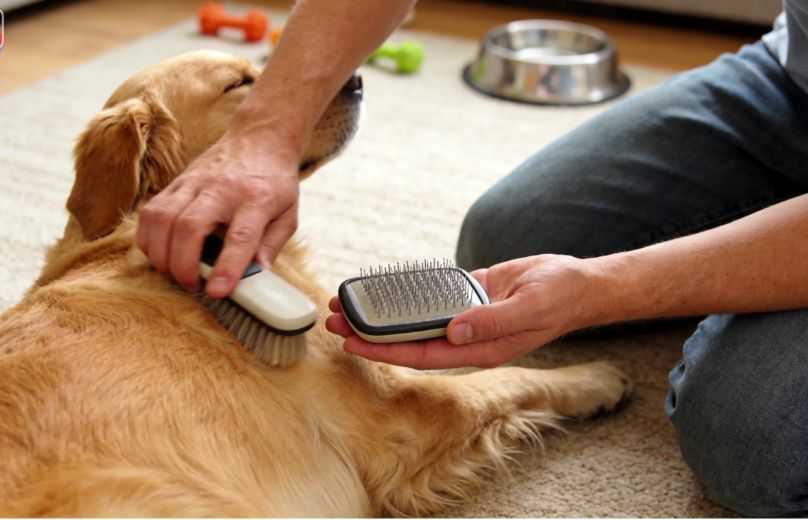
7.Dermatitis/Scabies/Tinea
Dermatitis is an inflammatory skin disease,and the discomfort it causes is usually far greater than simple dry skin.A veterinarian may use a professional examination to determine if the dog's skin is infected with bacteria or yeast and provide targeted treatment.This examination can also help rule out mites,scabies,etc.,which often require a combination of topical and oral medications.
Tinea has clinical symptoms that are highly similar to dermatitis,requiring specialized examination for differential diagnosis.It is particularly important to note that the treatment plan for canine ringworm differs significantly from that for human ringworm;treatment methods for human ringworm should never be used on dogs.
8.Ear Mites
Ear mites are relatively rare in dogs.If diagnosed,they can usually be treated with topical deworming medication.Most dogs brought in with suspected ear mites actually have yeast or bacterial otitis media(ear infection).A veterinarian can assess a dog's ear health through a professional examination and prescribe appropriate antibiotics and other medications.
9.Eye Discharge,Red Eyes,Conjunctivitis,or Cloudy Eyes
Eye discharge in dogs may be caused by allergies,but it could also be a sign of conditions such as corneal ulcers,glaucoma,or uveitis(intraocular inflammation).Undiagnosed and untreated conditions can lead to blindness in dogs;therefore,prompt veterinary intervention is crucial.
10.Hair Loss
If a dog experiences hair loss without itching,it may be related to underlying conditions such as thyroid or adrenal gland dysfunction,requiring a professional veterinary evaluation.Hypothyroidism,Cushing's disease,and even unneutered dogs can all present with non-itchy hair loss;in these cases,immediate veterinary attention is necessary to determine the cause.
11.Loss of Appetite,Vomiting,or Stomach Discomfort
Mild stomach upset can be relieved by adjusting the diet,but vomiting and loss of appetite can lead to dehydration and often indicate more serious health problems.Veterinarians can use blood tests and X-rays to determine if a dog has serious conditions such as intestinal obstruction,preventing delays in treatment.
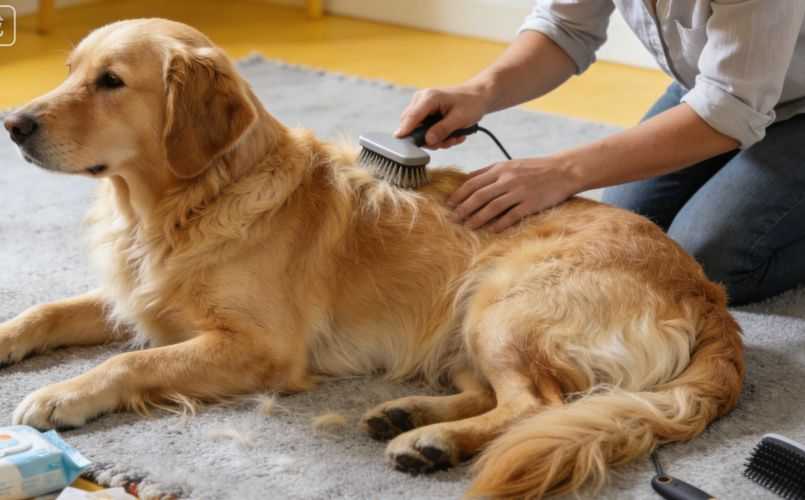
12.Pain
While over-the-counter joint supplements(such as glucosamine)can help maintain a dog's joint health,significant pain(especially arthritis pain or other pain leading to lameness)usually requires anti-inflammatory treatment.
In some cases,surgery may be necessary to help the dog recover.Strictly avoid giving your dog human medications or over-the-counter drugs without consulting a veterinarian,as this could lead to serious consequences such as drug poisoning.
13.Parasite Infections
While many over-the-counter deworming medications are available,a fecal examination by a veterinarian to identify the specific types of parasites in the dog's body helps in developing a precise treatment plan and ensuring complete eradication of the parasites.
Different deworming medications have different ranges of action;some medications do not cover all types of parasites,while others only kill parasites at specific growth stages.Based on the examination results,a veterinarian can develop a scientific treatment plan for the owner,helping to quickly resolve the parasite infection problem.
If the owner finds parasites in the dog's feces,they should contact a veterinarian immediately for examination and fecal analysis.If the dog also exhibits symptoms such as diarrhea,vomiting,abnormal behavior,and loss of appetite in addition to parasite infection,it should be taken to a veterinarian for treatment as soon as possible.